
Collection 03
Dementia Care at Home
Dementia is not one disease, and the daily pattern matters more than the label on the chart.
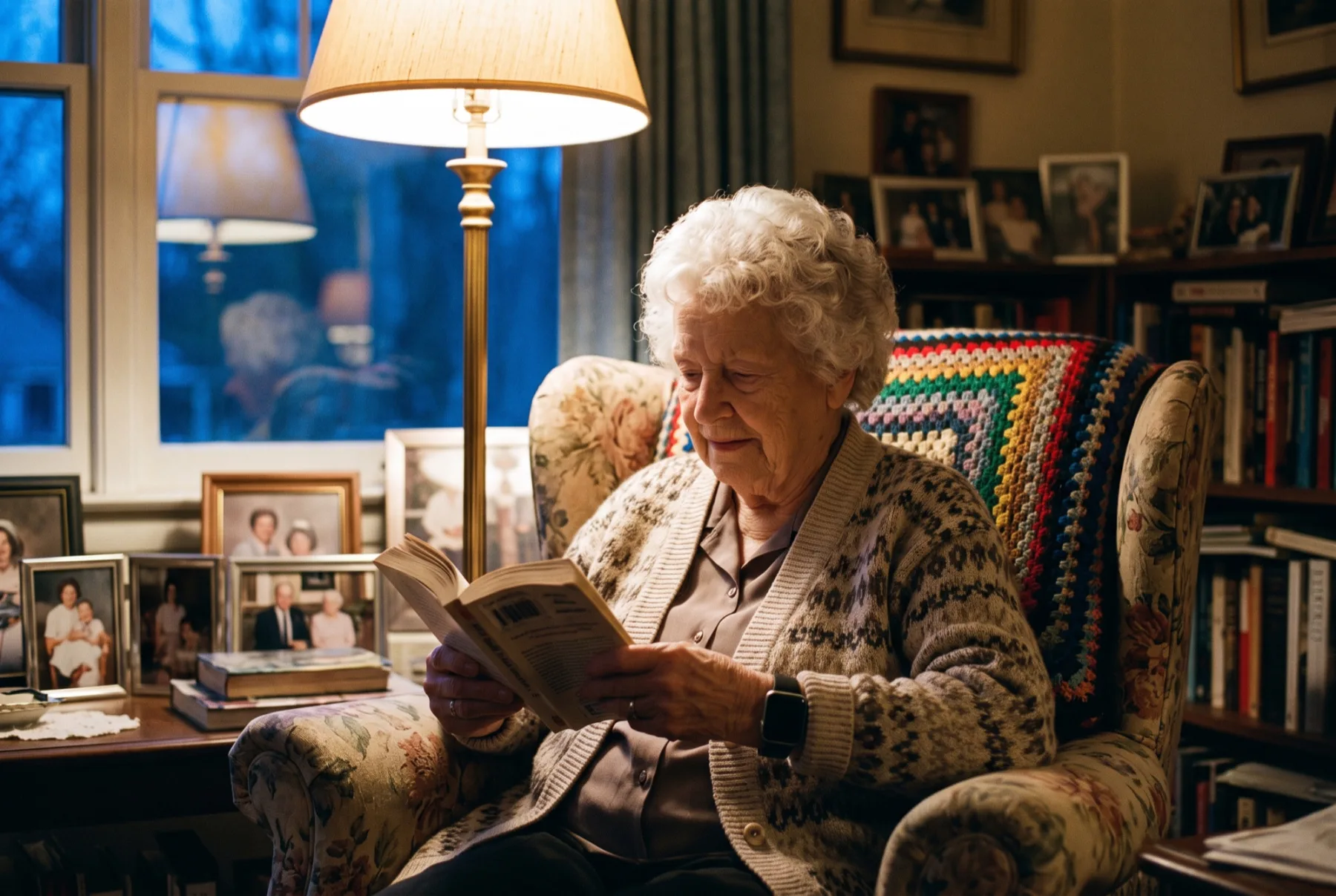
Dementia is an umbrella term for cognitive, functional, and behavioral symptoms caused by specific diseases, and Endurance Home Care supports Connecticut families living with it through daily-living care at home.
What dementia is, and what it is not
Dementia is not a diagnosis on its own. It is the name for a set of cognitive, functional, and behavioral symptoms that specific diseases produce, which is why two people carrying the same word on a chart can have days that look nothing alike. Alzheimer's disease is the most common of those causes, accounting for 60 to 80 percent of cases. It is the most common one, not the only one.
The second thing worth saying plainly is that none of this is ordinary aging. Losing a name and finding it an hour later is aging. Memory changes that interfere with daily life are something else, and they are worth raising with a doctor rather than waiting to see whether they settle on their own.
What a household actually lives with is not the word. It is the pattern: the hour the day starts to slip, the room where confusion begins, the evening that goes sideways. The label belongs to the physician. The pattern is where daily-living support does its work.
An umbrella term for cognitive, functional, and behavioral symptoms caused by specific diseases. It is the name for a pattern, not a disease of its own.
The most common cause of dementia, accounting for 60 to 80 percent of cases. Common is not the same as only.
A different thing entirely. Dementia is not a normal part of aging, and memory changes that interfere with daily life belong in front of a doctor rather than filed under age.
A mixed-up internal body clock can leave a person tired through the day and awake at night, which is why sleep is usually the first rhythm a household loses.
Low lighting increases shadows and can cause confusion about what is being seen. The same hallway reads differently at four in the afternoon than it does at noon.
59 percent of dementia caregivers report high to very high emotional stress. It belongs in the picture, not in a footnote.
The rhythms that change first
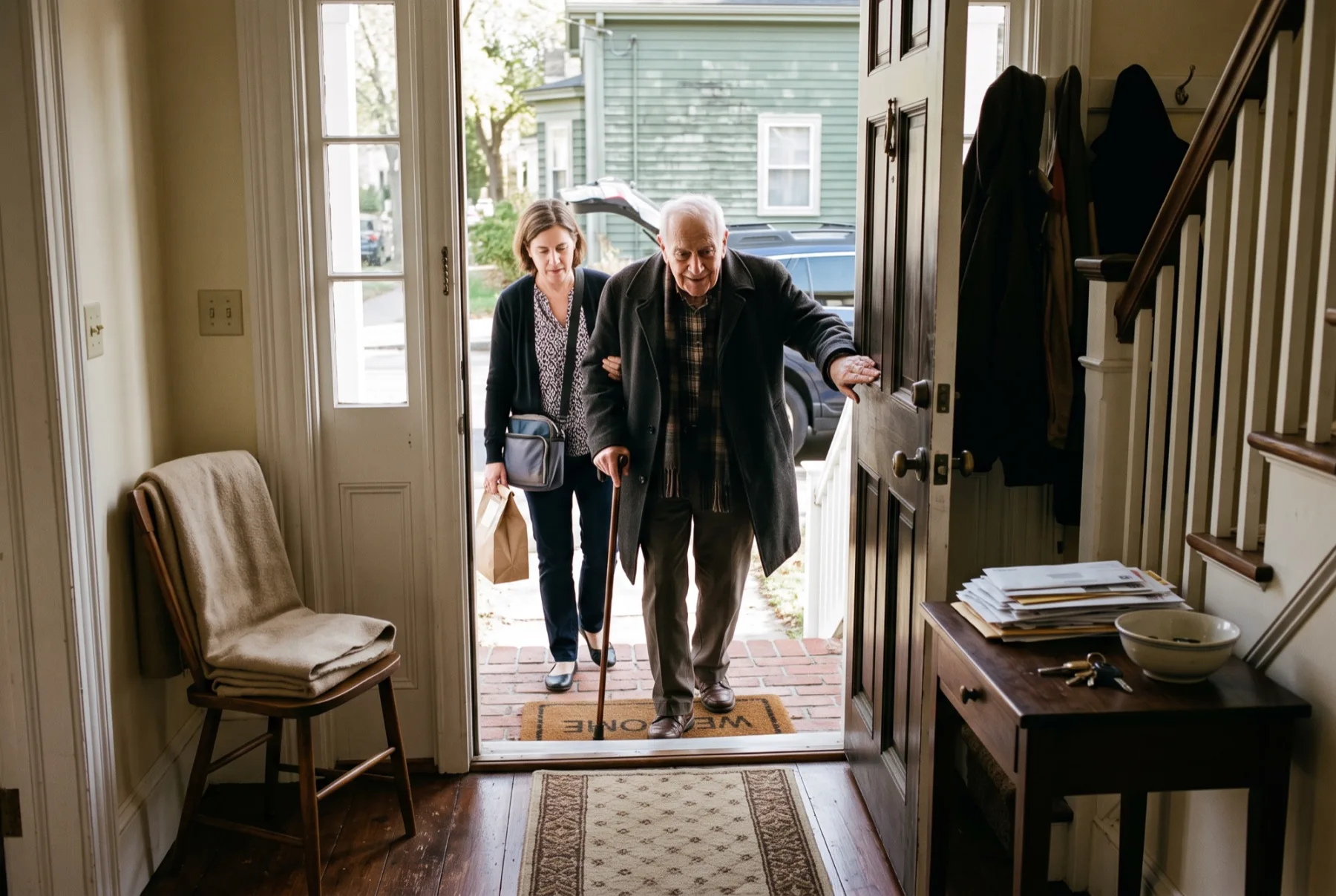
Families rarely notice memory first. They notice a schedule coming apart. Sleep is usually where it shows: a mixed-up internal body clock can leave a person tired through the middle of the day and wide awake at night, so the hours of a household quietly invert. Afternoon naps stretch. Two in the morning becomes a time when somebody is up and moving, looking for a coat or a set of keys, while everyone else in the house is asleep.
Evenings are the other pressure point, and light is a large part of why. Low lighting increases shadows, and shadows cause confusion about what is being seen. A coat on a hook becomes a person standing in the hall. A dark doorway becomes somewhere that needs checking. None of that is irrational. It is a reasonable response to poor visual information, and it is one of the few things in dementia that a household can change the same afternoon it notices.
So the first useful changes are not clinical ones. They are a lamp switched on before the light goes rather than after, curtains drawn while the room still reads warm, dinner at a consistent hour, and a familiar person in the house through the stretch of the day that has become the hardest to hold together alone.
When those evenings are the part nobody in the family can cover any more, that is in home dementia care in Fairfield County.
The work is not medical. It is the shape of the day.
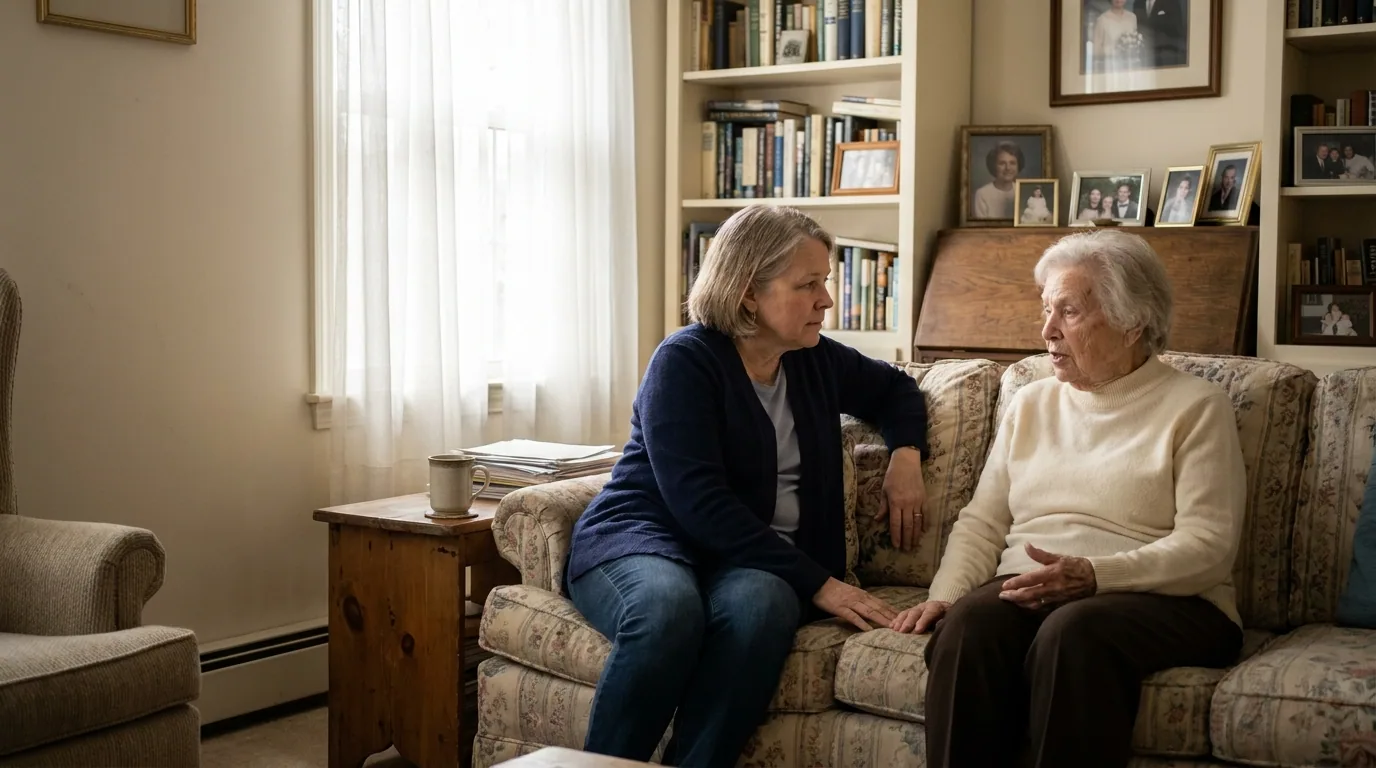
Endurance Home Care provides daily-living care at home. Skilled nursing, home health aides and physical therapy in Connecticut are provided by Endurance Home Health. In a dementia household that means companionship, personal care, homemaking, meal preparation, transportation, medication reminders, and safety supervision: the ordinary structure that keeps a day upright. Caregivers support, coordinate, remind, accompany, and supervise. Diagnosis and treatment stay with the physician.
The founders cared for their own grandmother with dementia before any of this was a company. That is where the register of this page comes from, and why it starts with the evening rather than with the diagnosis.
Connecticut License HCA.0002450. Memory support serves Connecticut and New Jersey; New York service is companion care only. From 60 Long Ridge Rd, Suite #214, Stamford.
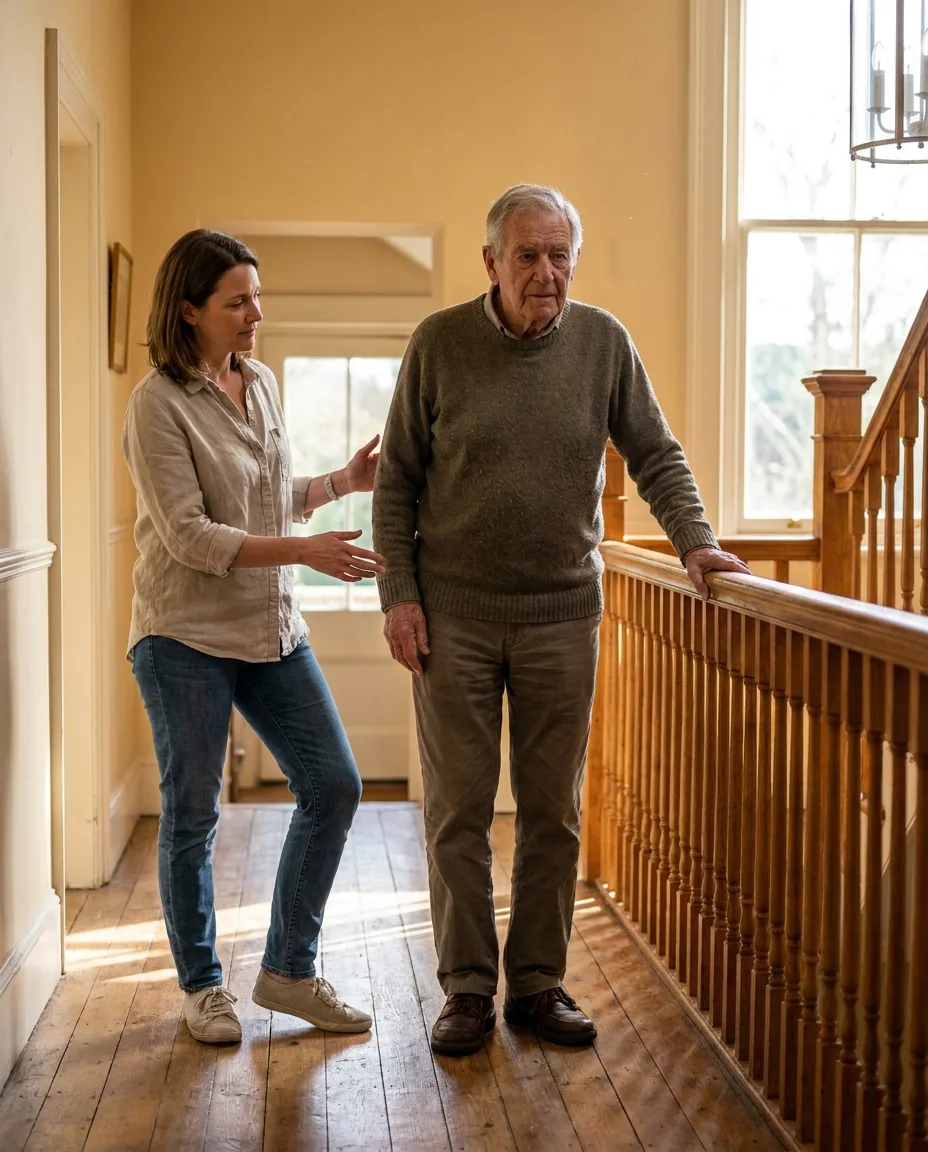
The load nobody puts on the calendar
Nearly 13 million Americans provide unpaid care for people with Alzheimer's or other dementias, and 59 percent of dementia caregivers report high to very high emotional stress. Those two figures describe one household from two directions: the amount of work being done, and what doing it costs the person doing it.
The load is rarely a single dramatic day. It is the accumulation of interrupted nights, of never being able to leave the house without planning it first, of a relationship that has quietly turned into a shift. Families tend to name it late, usually after somebody else says it out loud for them.
Which is why hours off belong in the plan here rather than in the category of things to feel bad about asking for. Scheduled coverage so the primary caregiver can sleep, or keep an appointment of their own, is respite care for family caregivers.
- 13 million
Americans, nearly, providing unpaid care for people with Alzheimer's or other dementias.
- 59 percent
of dementia caregivers reporting high to very high emotional stress.
- Respite
Scheduled hours that exist so the person carrying the household can sleep, leave the house, or keep an appointment of their own.
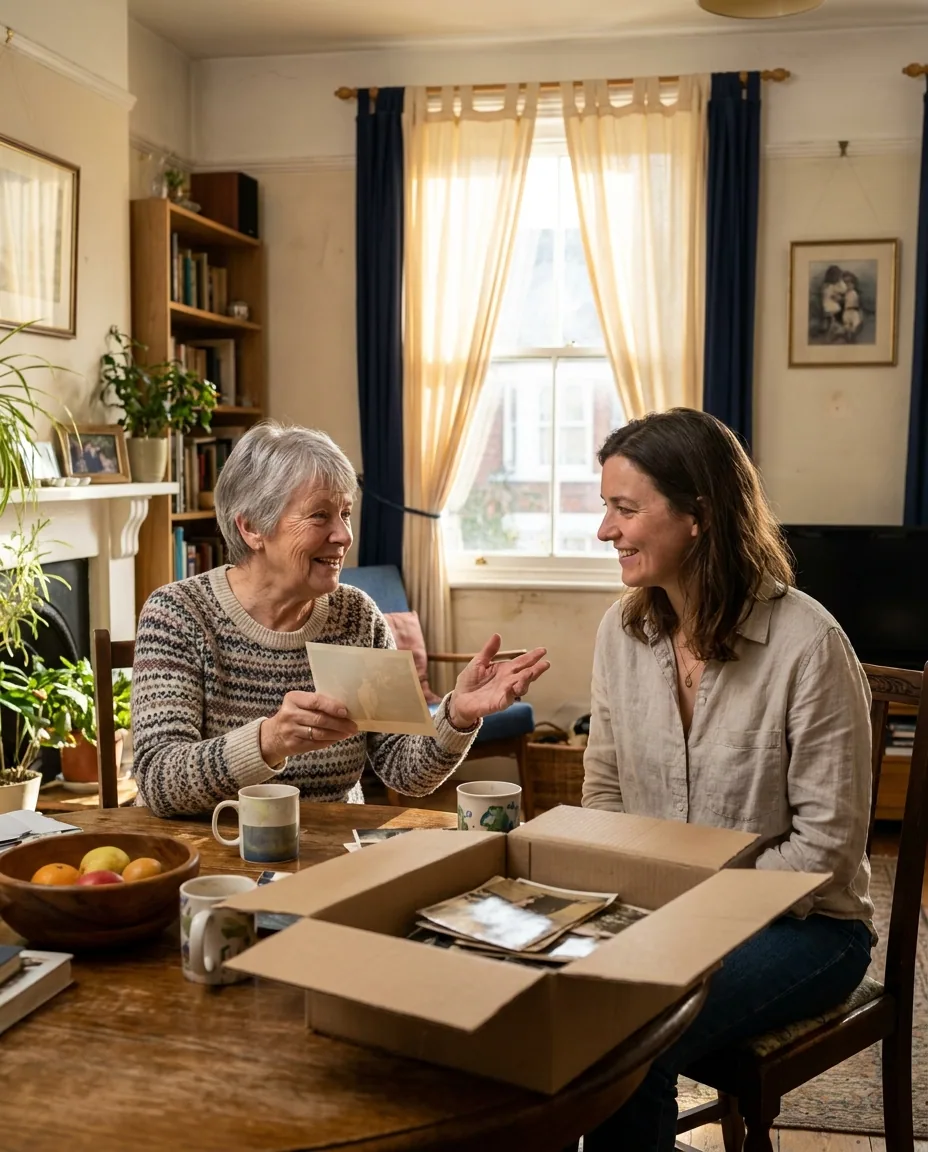
Seven guides, filed by the question that sent you looking
Nobody arrives at a page like this with a topic in mind. They arrive with an evening that went badly, a door found open, a conversation that did not go the way it used to. So the rest of this collection is filed the way those nights actually turn up, in roughly the order families meet them. Start wherever your week is.
- what to do when sundowning startsThe late afternoon hour that goes hardest, and what steadies it.
- early signs of dementiaWhat is worth raising with a doctor, and what is ordinary forgetting.
- dementia vs alzheimersOne word is the umbrella, the other is the most common cause underneath it.
- dementia wandering and how to prevent itWhy someone leaves the house at an odd hour, and how a household plans for it.
- activities for dementia patients at homeOccupation that fits the person as they are now, not as they were.
- how to talk to someone with dementiaThe sentences that land, and the correcting that never does.
- dementia proofing the homeRoom by room, the changes that make a familiar house workable again.
Endurance Home Care provides care at home in Connecticut and New Jersey, with companion care only in New York. Skilled nursing, home health aides and physical therapy in Connecticut are provided by Endurance Home Health.

Questions families ask first
dementia care at home
Dementia care at home means shaping the day around the person rather than correcting them: steady routines, good light in the evening, meaningful activity, and supervision that keeps them safe without taking over. In Connecticut, daily-living agencies like Endurance Home Care provide the companionship, homemaking, meal preparation, and safety supervision that make staying home workable. Medical treatment stays with the physician.
is dementia a normal part of aging
No. Dementia is not a normal part of aging. It describes a collection of cognitive, functional, and behavioral symptoms caused by specific diseases, and Alzheimer's disease is the most common cause, accounting for 60 to 80 percent of cases. Memory changes that interfere with daily life are worth raising with a doctor rather than accepting as age.
Does Endurance provide medical dementia care?
No. Endurance Home Care provides daily-living care at home. Skilled nursing, home health aides and physical therapy in Connecticut are provided by Endurance Home Health. That means companionship, supervision, meal preparation, homemaking, transportation, and medication reminders. Clinical care, diagnosis, and treatment stay with your physician and any licensed medical providers involved.
How much do dementia caregivers usually take on?
Nearly 13 million Americans provide unpaid care for people with Alzheimer's or other dementias, and 59 percent of dementia caregivers report high to very high emotional stress. Those numbers are why respite is treated as part of the plan here, not a luxury.
Can care start before a formal diagnosis?
Yes. Families often begin with a few hours a week when driving, meals, or evenings get harder, well before any label is settled. The Alzheimer's Association advises scheduling a doctor's appointment when warning signs appear, and daily-living support can run alongside that process.
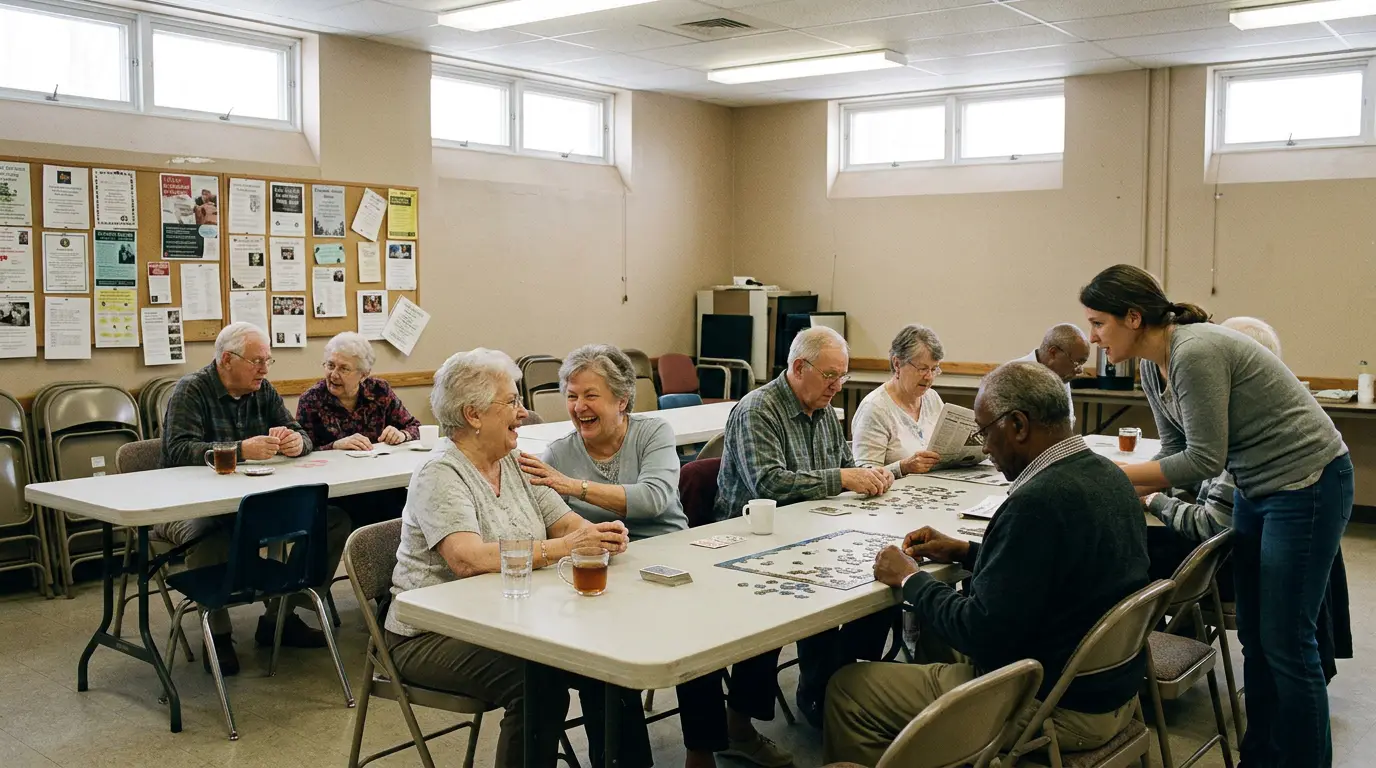
Somebody awake in the house at the hour it gets hard.
daily-living dementia support at home across Fairfield and New Haven counties, Connecticut, from an agency licensed in Connecticut and New Jersey.
Call (203) 936-6847