
Activities for Someone Living With Dementia
One daughter told us her mother’s caregiver was so full of joy it rubbed off. That is what a good afternoon is for.
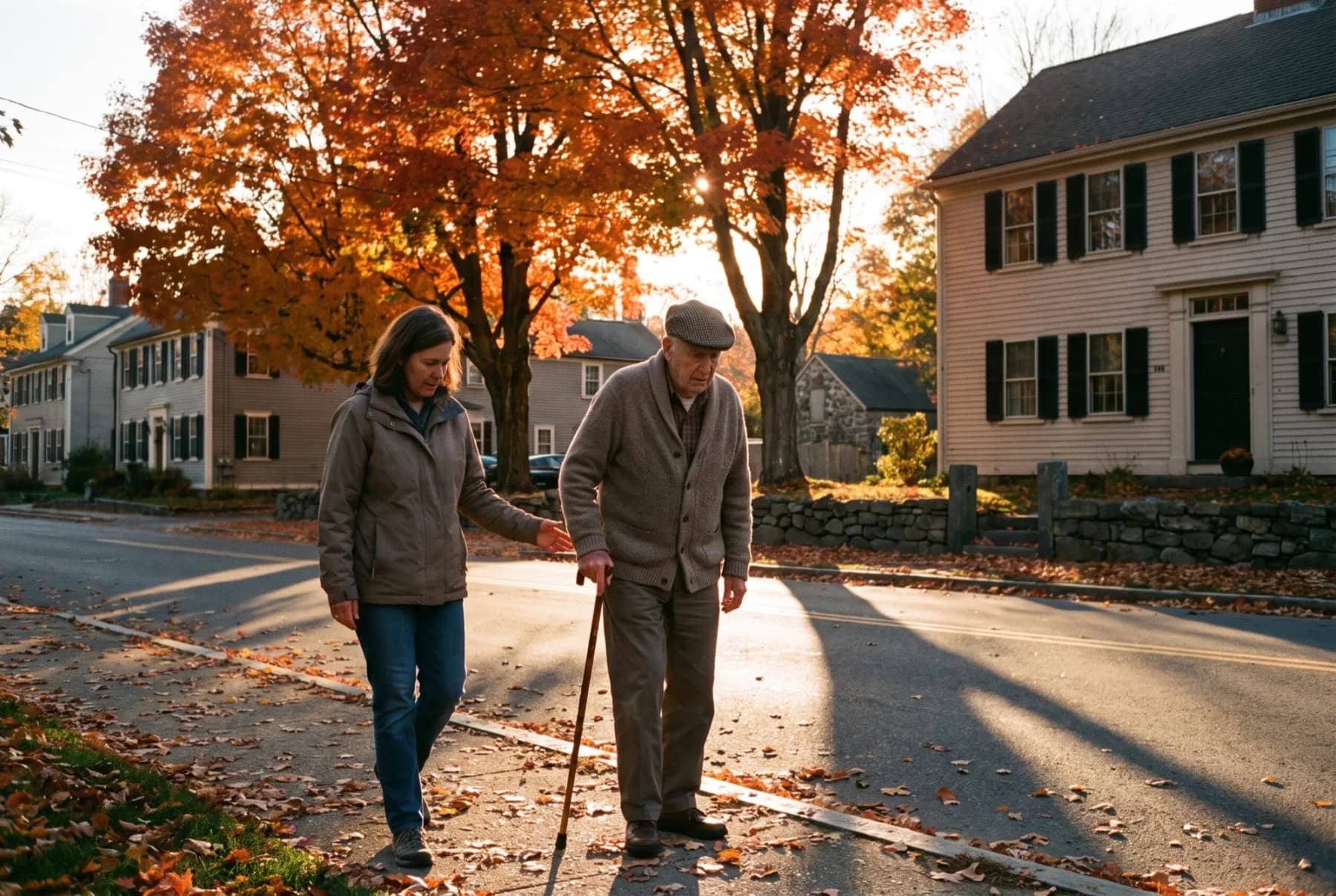
Activities can add structure and enjoyment to the day for a person living with dementia when they build on remaining skills and familiar interests, which is what the Alzheimer's Association recommends planning around.
An empty afternoon is not a neutral afternoon
Activity is recommended as part of a structured day rather than as something extra that happens if there is time left over. That framing changes what a family is actually deciding when they work out how the hours between lunch and dinner get filled. It stops being a question about hobbies and becomes a question about the shape of the day.
It also changes what an activity is allowed to be. It does not have to be a craft, a game, or anything anybody would call an outing. Folding a basket of laundry alongside someone counts. Sorting a drawer counts. The test is not whether the activity is impressive from the outside. It is whether the person can take part in it and enjoy taking part.
Companionship and homemaking are daily-living services, which means the raw material of a good afternoon is ordinary by definition: meals, laundry, errands, a card game, company. This page sits inside our wider guide to dementia care at home, and it answers the narrowest version of the question: what do you actually do with the hours.
Endurance Home Care provides care at home in Connecticut and New Jersey, with companion care only in New York. Skilled nursing, home health aides and physical therapy in Connecticut are provided by Endurance Home Health.
Enjoyment, not achievement.
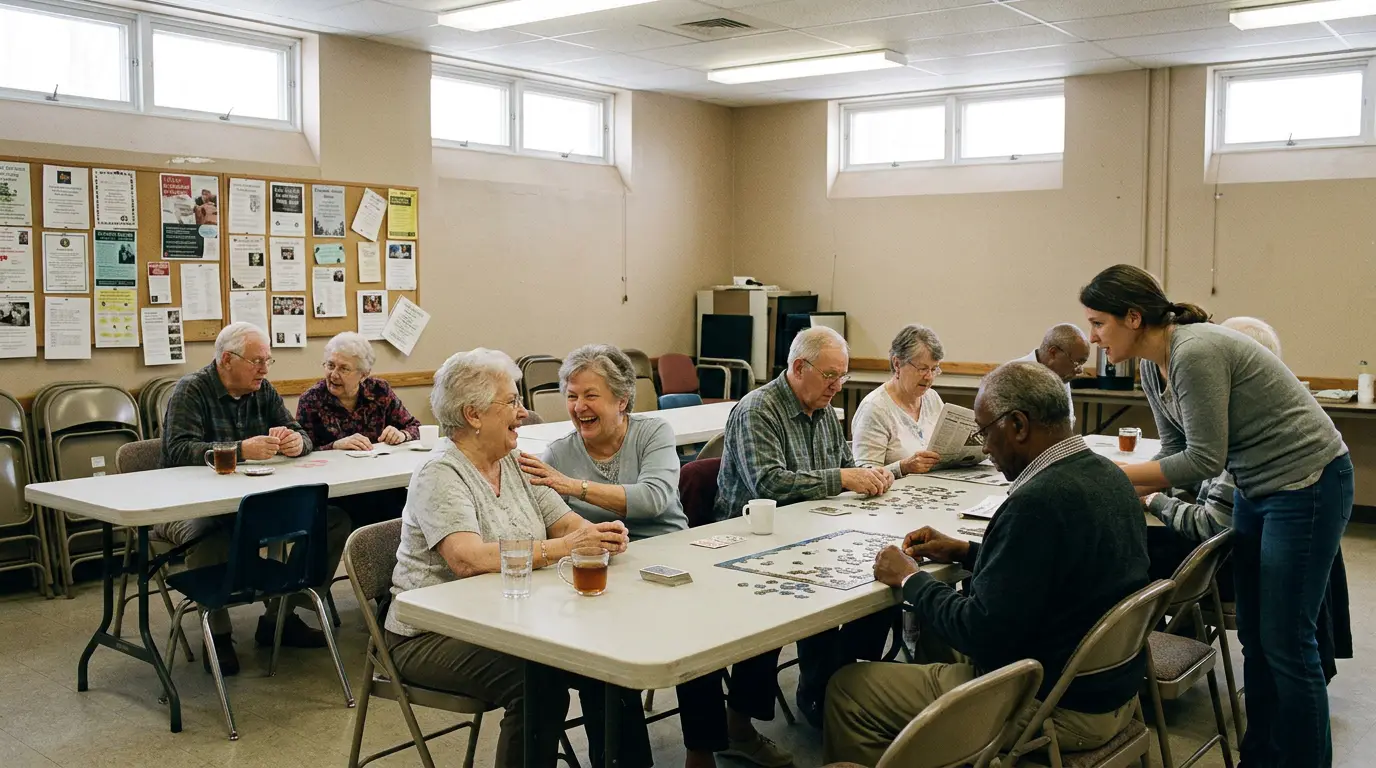
The Alzheimer’s Association advises focusing on enjoyment rather than achievement, and finding activities that build on remaining skills and talents. Those two clauses do most of the work on their own. Together they rule out almost everything that goes wrong in a well meant afternoon.
Achievement is what turns a pleasant half hour sour. A puzzle with a right answer, a recipe with a finished dish at the end, a question with a name that has to be produced: each one quietly installs a way to fail. Take the finish line out and the same activity becomes hours you can both spend. The basket does not need emptying. The song does not need naming.
The second clause is the one families tend to skip. Building on remaining skills means starting from what the person can still do easily and comfortably, not from a list of what other people find suitable. Stick with activities the person has always enjoyed and adjust them as needed to match current abilities. That is a far better instruction than any list, because it is the only one that knows who you are talking about.
Adapting the things they always loved
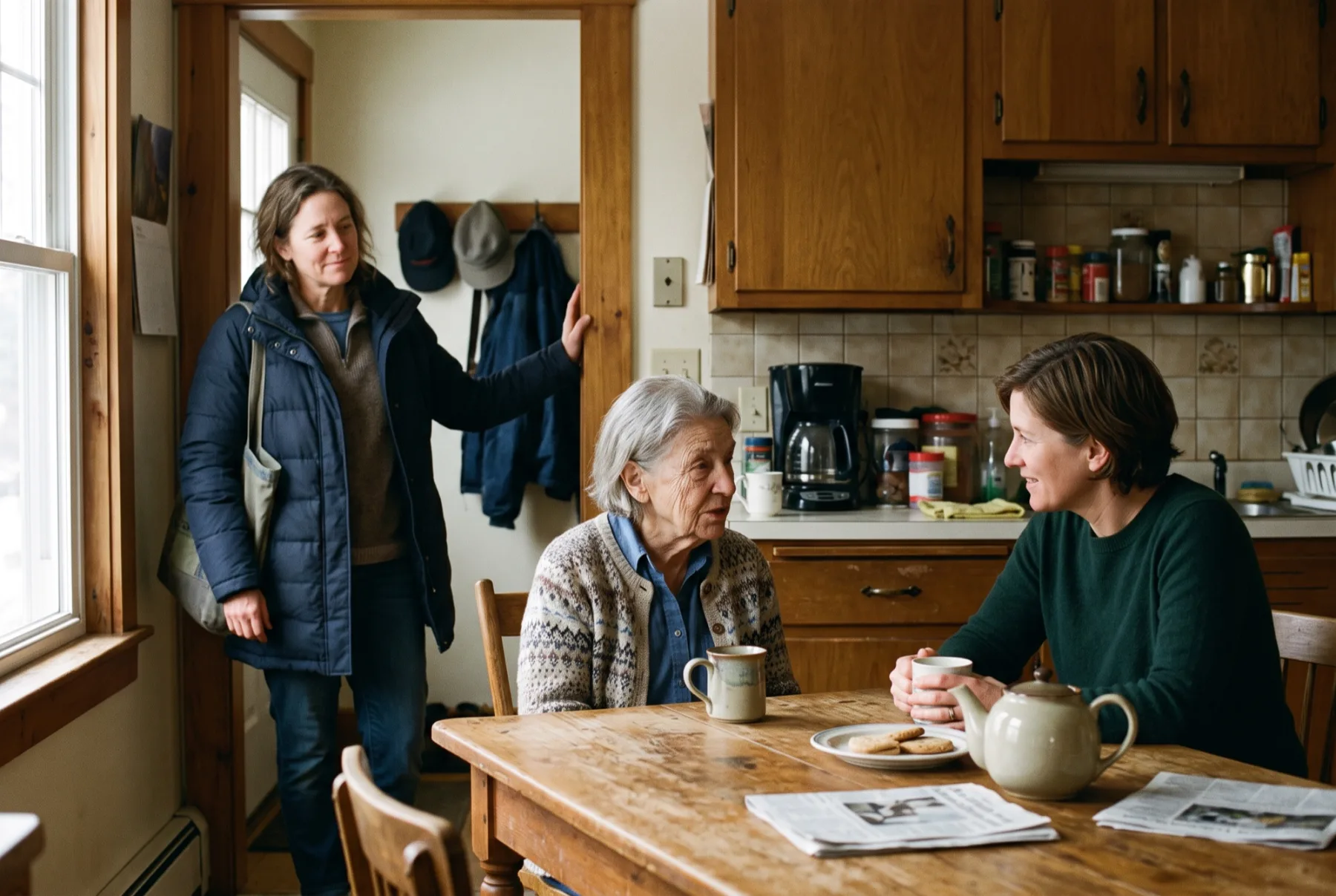
Adjusting an old favorite beats introducing a new one, because the familiar version arrives already knowing what it is for. The garden becomes a trug on the table. The kitchen becomes one job in the kitchen. The photo album stays exactly what it was and only the questions change. Five ordinary ones are below, each with the adjustment that tends to make it land.
The same starting point, an old favorite rather than a new idea, is where we would send you for activities for elderly adults at home.
Folding laundry together
Warm towels, one basket, two pairs of hands. Nobody has to finish the basket for the half hour to have been worth having.
leans on: a lifelong motionSorting and organizing
A drawer of buttons, a tin of screws, a shoebox of cards. Sorting has no wrong answer, which is the whole reason it works.
leans on: order and touchMusic from their era
Their years, not ours. Put it on before the afternoon goes quiet rather than after it has already turned.
leans on: the oldest memoriesGardening
Bulbs into a trug, a watering can, deadheading on the porch. Scale it to a table if the beds have become too much.
leans on: season and habitLooking through photographs
Names are not the point and do not need correcting. Let them tell you about the picture rather than testing them on it.
leans on: familiar facesWhat a caregiver brings to the afternoon
Somebody whose afternoon this is
A family member doing this is doing it on top of everything else that day. A care professional arrives with the afternoon as the job, which is the difference between an activity that gets attempted and one that actually happens. Companionship, meal preparation done together, errands, and supervised activity are daily-living services throughout.
Training before the first shift
Endurance care professionals complete training covering disease states and health and wellness before they are matched with a client. It is why a caregiver can read a moment going wrong and shorten the task rather than push through it, and why nobody is learning that on your afternoon.
The same hands, week after week
These hours run on familiarity, which is why a caregiver is matched to a client rather than assigned to a slot. Somebody who already knows which record to put on, and which drawer is the good one to sort, starts the afternoon further along than a stranger can.
The same stretch of the day comes up again in dementia wandering and how to prevent it, which is the other question these hours tend to raise. If you would rather hand the afternoons to somebody else entirely, that is in home dementia care.
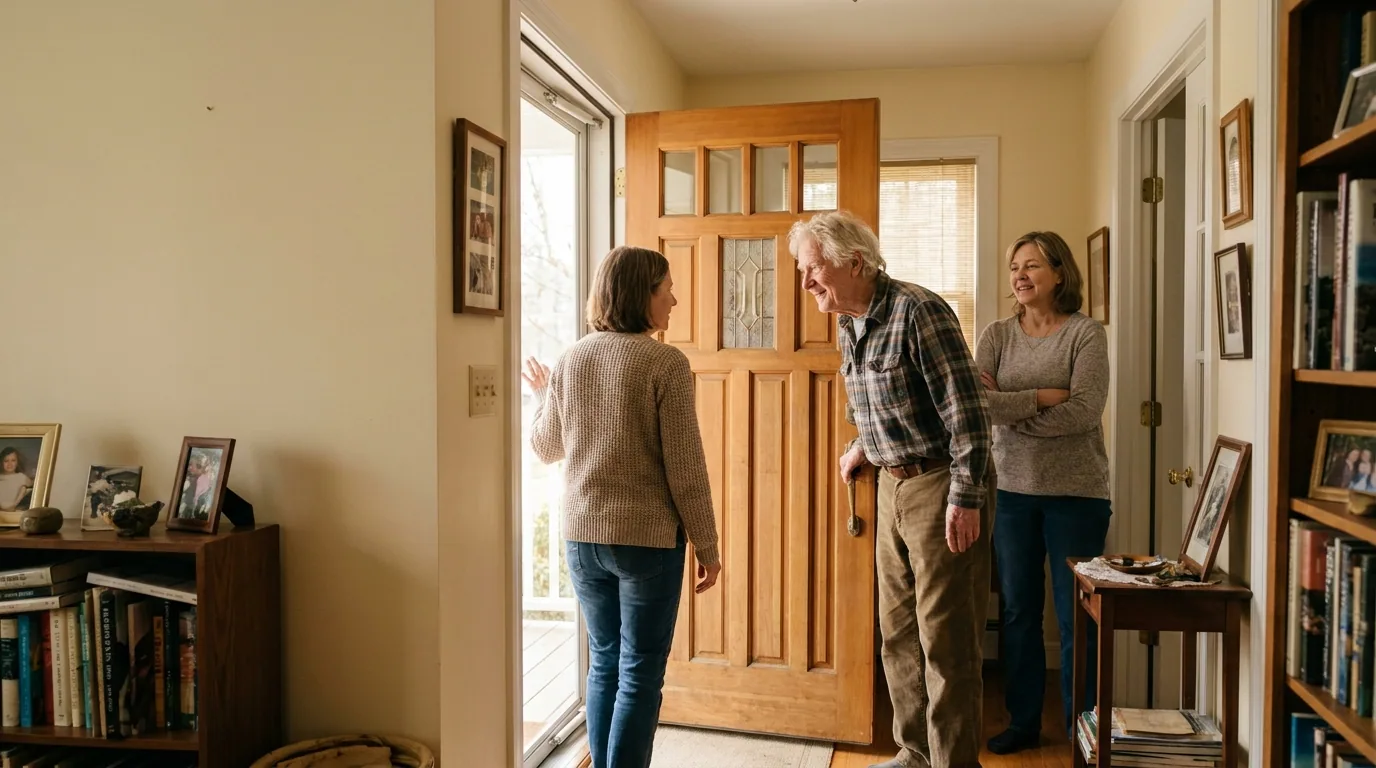
Questions families ask
activities for dementia patients at home
The activities that work build on remaining skills and focus on enjoyment rather than achievement: folding laundry together, sorting and organizing, music from their era, gardening, looking through photographs. Sticking with things the person has always enjoyed and adjusting them to current abilities works better than introducing something new. Beyond quality of life, activity is recommended as part of a structured day.
What if they get frustrated partway through?
That usually signals the activity is pitched at achievement rather than enjoyment. The Alzheimer's Association advises focusing on enjoyment and building on remaining skills and talents, so shortening the task, doing it alongside them, or shifting to a familiar favorite tends to reset the moment.
Do activities really affect behavior?
In addition to enhancing quality of life, Activity is recommended as part of a structured day. That is why an unstructured afternoon often precedes a hard evening, and why filling those hours deliberately is treated as part of the care plan rather than optional.
Can a companion caregiver handle this?
That is much of the work. Companionship, meal preparation done together, errands, and supervised activity are daily-living services, and Endurance care professionals complete training that covers disease states and health and wellness before they are matched with a client.
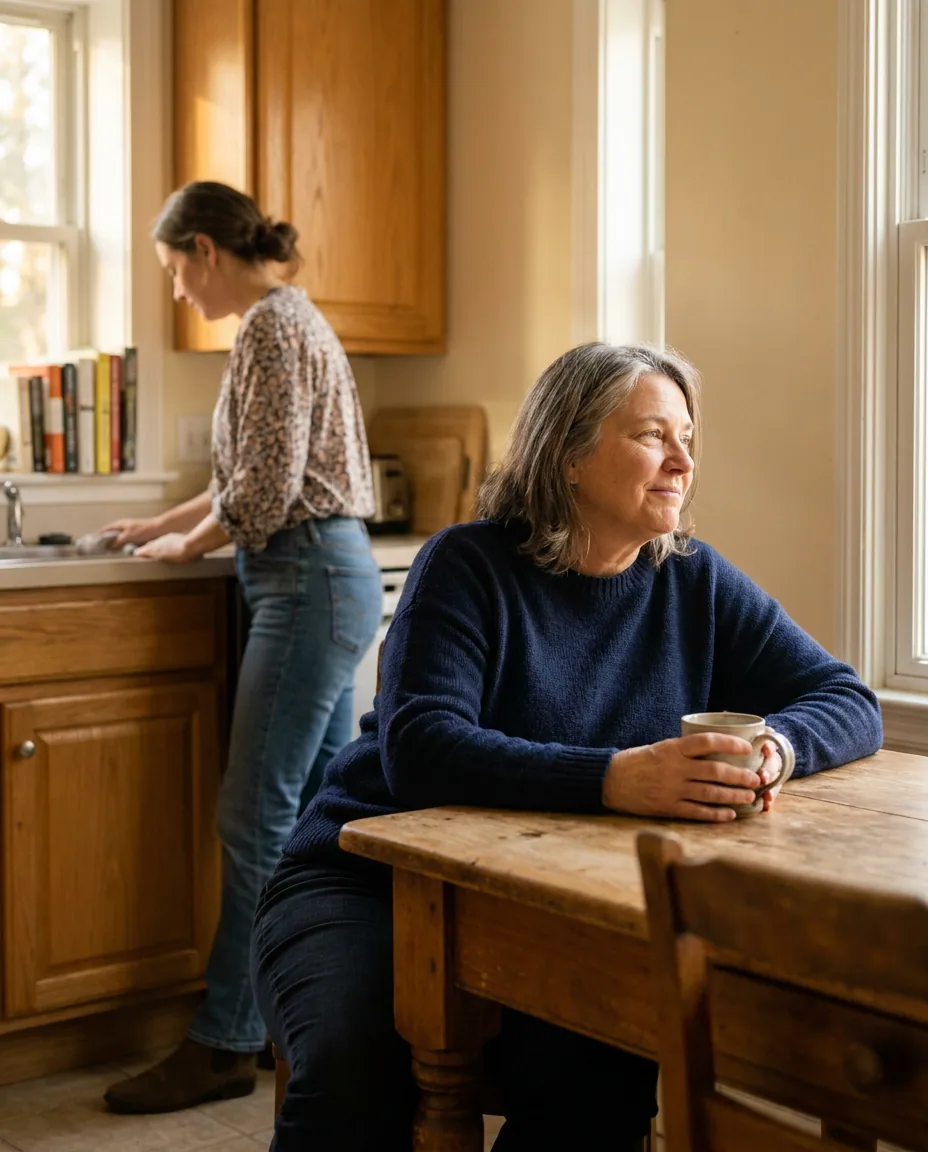
The card game does not have to be finished to have been worth playing.
Memory support at home serves Connecticut and New Jersey; New York service is companion care only. Endurance is registered in Connecticut and licensed in New Jersey.
Call (203) 936-6847