

Activities for Elderly Adults at Home
Shared and purposeful
Simple things done together work best: cooking a favorite recipe, sorting photos, tending plants, or a short walk that ends with coffee.
- Guide
- Companion care
- Care plan
- Reviewed monthly
- CT registration
- HCA.0002450
- Client support
- (203) 936-6847
- Serving
- Connecticut, New Jersey and New York
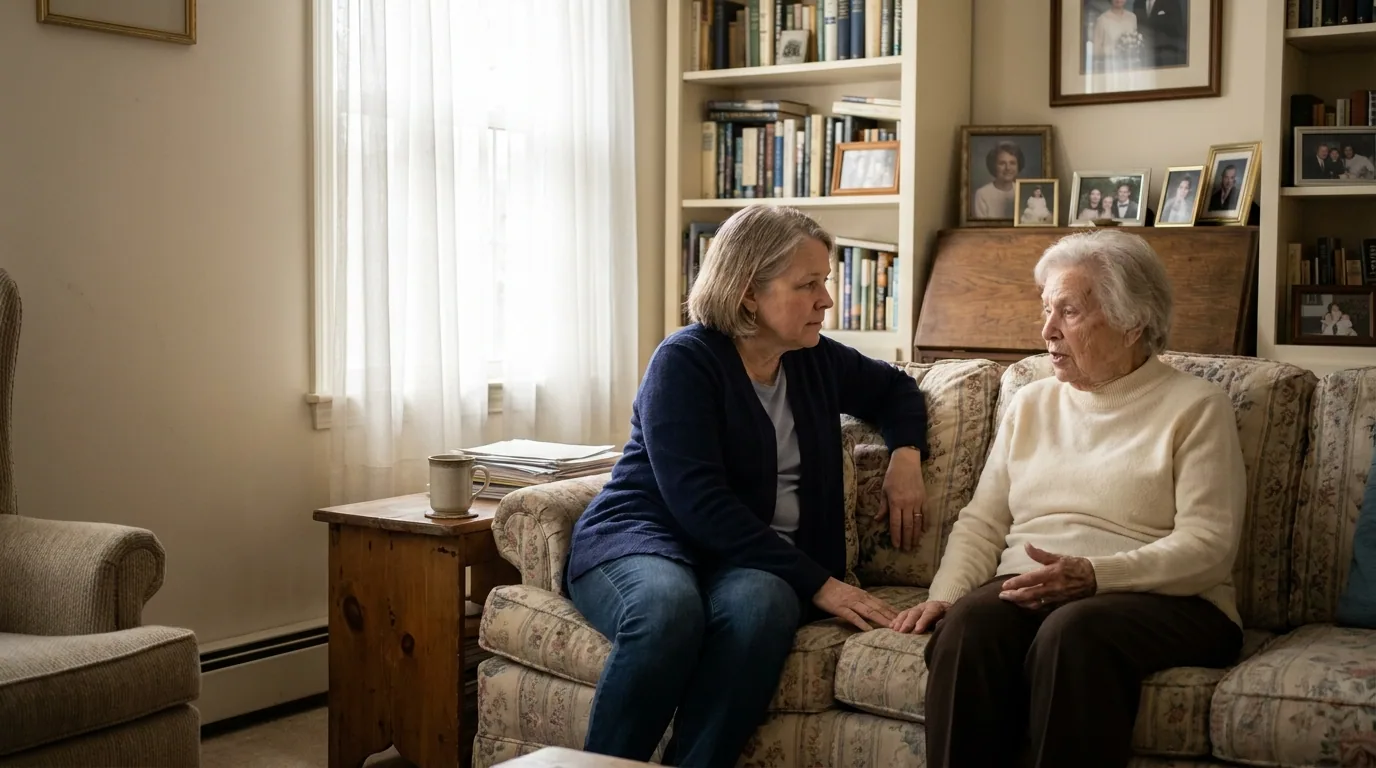
Activities for elderly adults at home work best when they are shared and purposeful: the National Institute on Aging notes that people who engage in meaningful, productive activities with others feel a sense of purpose and report feeling more connected.
The activity matters less than the fact that somebody is doing it with them.
A crossword finished alone is a task. The same crossword with someone guessing at fourteen across is a conversation. The National Institute on Aging links meaningful, productive activities with doing them alongside other people, and that second part is often the harder one to arrange.
So rather than filling the afternoon, start with what your parent has always enjoyed, and who might enjoy it with them. If you’re concerned your parent is lonely, it’s worth reading why loneliness in elderly adults is a health risk.
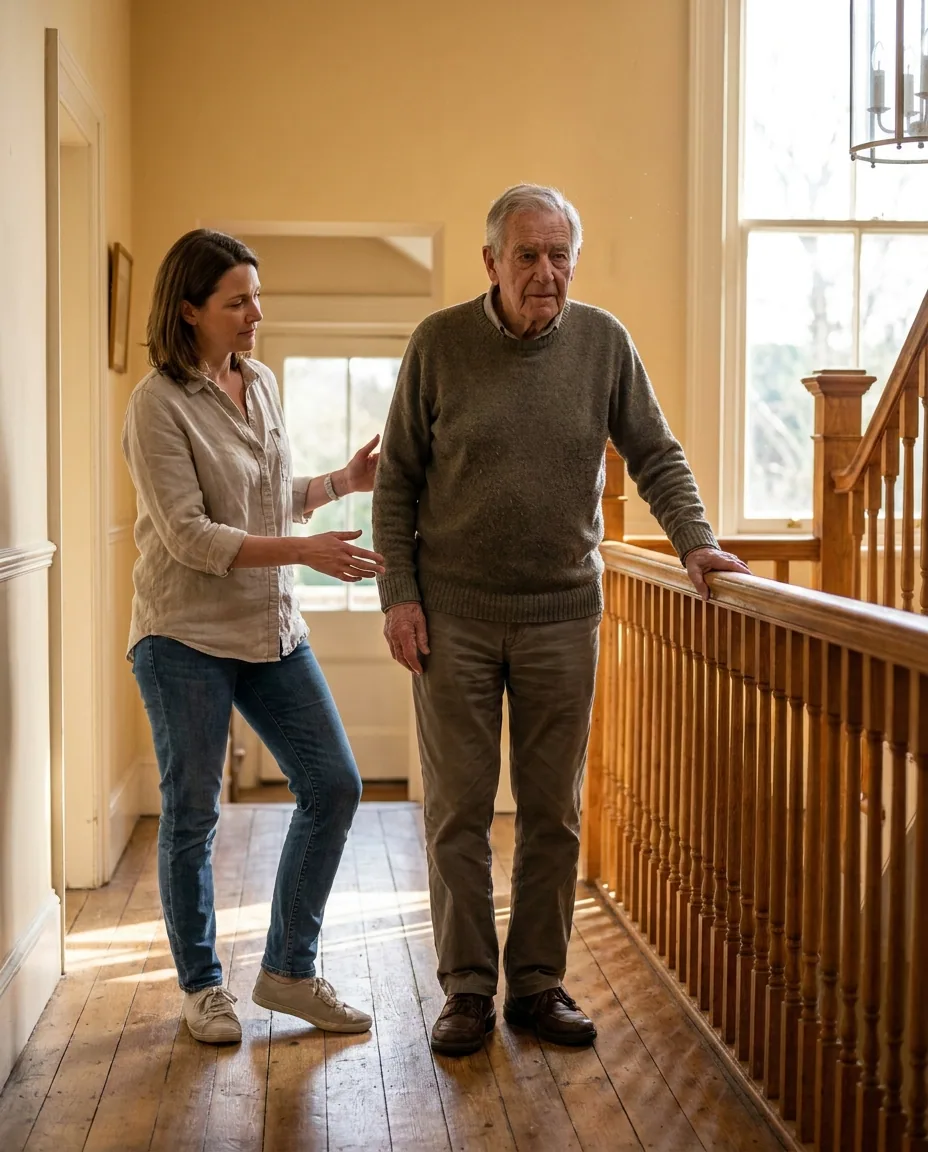
Room by room, and how to pick one today
Energy changes from day to day, so it helps to have a few ideas ready for different kinds of days. Each idea below comes with a small tip that keeps it enjoyable. If you’re new to companion care, start with companion care, explained.
Start here: what kind of day is it
A steady day
The kitchen
Cook something they already know
A recipe from memory beats a recipe from a card. Let them run it, and take the sous chef job yourself.
Put fruit somewhere in it. The National Institute on Aging notes that older Americans generally do not eat enough fruit, and that adding more can have significant benefits for overall health.
Work through the recipe box
Sorting the cards is its own hour, and it arrives with the stories attached to them.
Photograph the ones written in a relative's handwriting before they go back in the box.
A shorter day
The table
One album at a time
Sorting photographs into albums gives an afternoon a beginning and an end, which an open ended visit does not.
Write the names on the back as you go, while the stories are fresh.
Cards, or a puzzle left out
Puzzles and cards work because they can be picked up for ten minutes and put down again without anybody failing at anything.
Leave it set up on the table. Putting it away is what ends it.
A restless day
The porch
Tend the plants
Watering, deadheading, and repotting are short, physical, and finish visibly, which is most of the appeal.
Raise the planters to counter height, so there's no kneeling.
The short walk, then the errand
A daily walk around the block, or an errand that ends with coffee somewhere, instead of in the car.
Put the coffee at the end. The errand is the excuse, not the point.

Three services that are already activities
Some of the best activities are already part of the week. Endurance provides homemaking, transportation and companion care, and each one is time spent with a person.
Homemaking
Meals are the standing appointment
Homemaking already puts somebody in the kitchen at the same hour. Cooking together, rather than cooking for, turns the one chore nobody skips into the one activity nobody has to schedule.
Transportation
The errand is the outing
A ride to the pharmacy is a ride. A ride that ends at a counter with two coffees is an afternoon out. The trip was happening either way, so the only decision is what it ends with.
Companion care
The visit is the plan
A companion visit is time set aside for the person, not the house. Conversation, cards, a walk, a project on the table. The hour has a shape because someone arrives expecting to spend it together.
If you want the hour itself described, separate from the services around it, here’s how a companion caregiver spends a visit.

A list nobody runs is still just a list. What makes it hold is the person who arrives expecting to do it with them.
Interests change, and so does energy. The care plan is reviewed and updated every month for exactly that reason, and your Care Manager keeps you posted, so the routine still suits your parent months from now. Caregivers complete extensive training before they’re placed and keep training after, and the match between household and caregiver is the part families talk about afterward. We choose a caregiver with your parent in mind and introduce them before the first visit, and if it isn’t working, we find someone else. Call our care team at (203) 936-6847 or set up companion visits with Endurance.

Questions families ask
What activities can seniors do at home?
The activities that stick are shared and purposeful: cooking a familiar recipe together, tending plants, sorting photos into albums, short daily walks, puzzles and cards, music they love, and errands that end with coffee. The National Institute on Aging notes that people who engage in meaningful, productive activities with others feel a sense of purpose and report feeling more connected, so doing them together is what matters most.
How do I get my elderly parent interested in activities?
Start with what your parent has always enjoyed rather than a general list: someone who loved to cook might enjoy a kitchen project, and a gardener might enjoy planters at counter height. Then pair the activity with a person they like, since the relationship often carries the routine. One family wrote in a Google review that their dad "really did not want anyone helping him, but her amazing personality won him over."
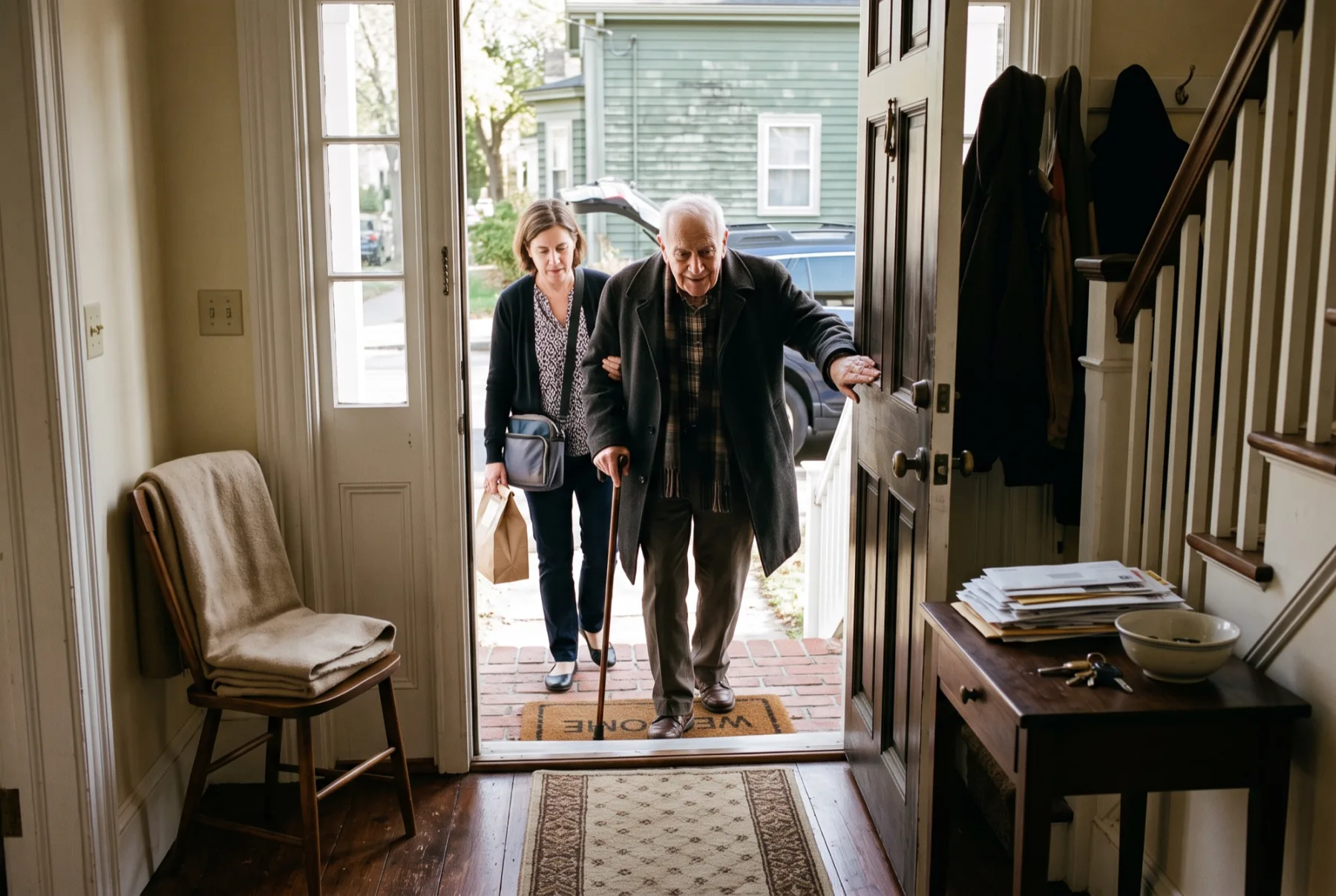
Would your parent enjoy some company at home?
Tell us what your parent enjoys and when the days feel long. We’ll talk through how a companion caregiver could help. Companion care across Connecticut, New Jersey and New York, with visits in New Jersey, New York and Connecticut’s Fairfield and New Haven counties and live-in care everywhere we work, from an agency registered with the state. The first conversation is free, and nothing starts until you say so.