

In Home Dementia Care for Families in CT and NJ
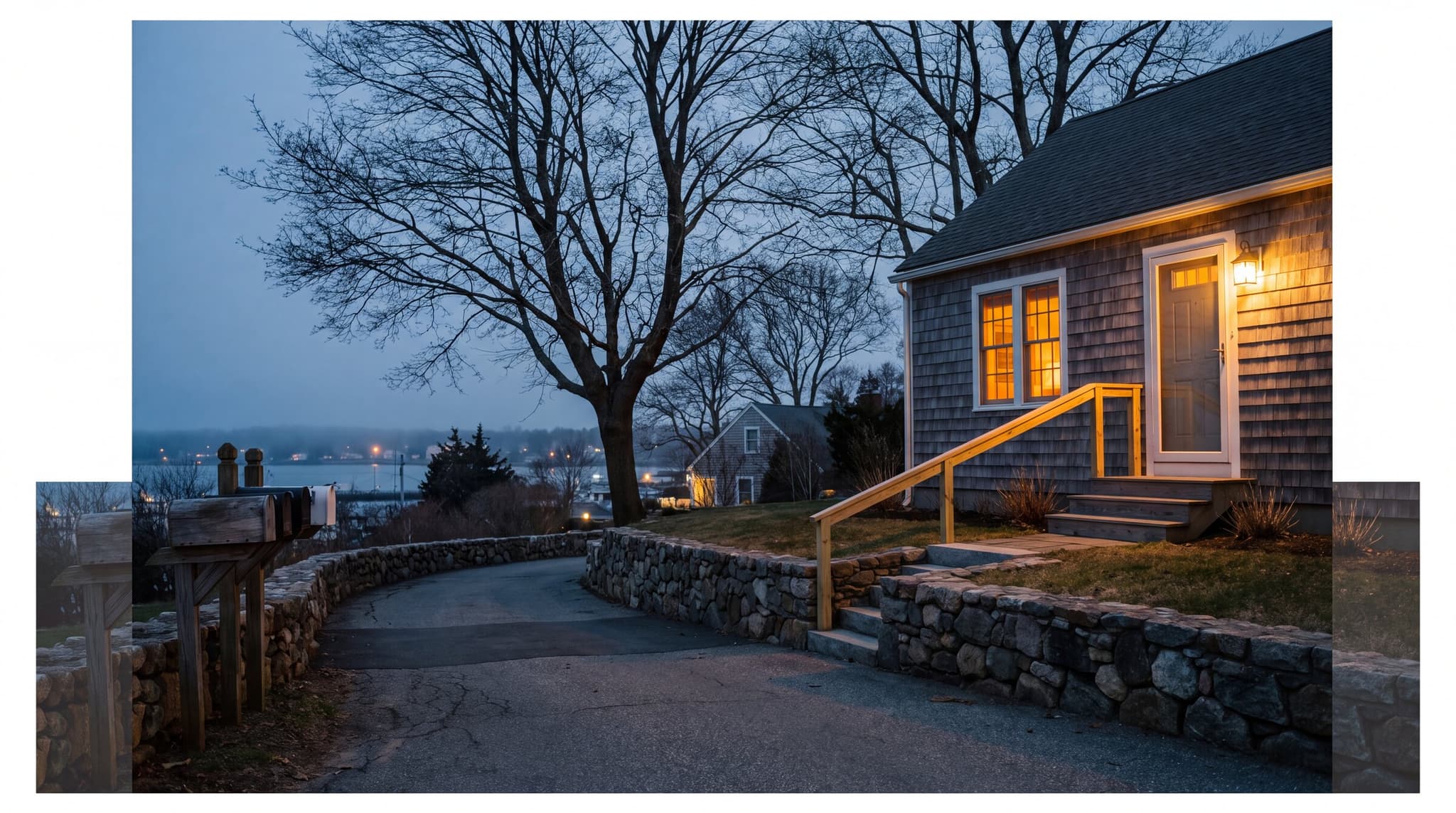
The hand rail somebody added to the porch step, without ever mentioning that they added it.

Endurance Home Care provides in home dementia care, its Memory Support at Home service, across Fairfield County with caregivers whose orientation training covers disease states including Alzheimer's and dementia.
The routine is the thing we protect, down to which chair she sits in.
In home dementia care means keeping an ordinary day intact for someone living with Alzheimer's or another dementia, in the house they already know. A caregiver holds the shape of that day: meals at the usual hours, a prompt when a medication is due, help with dressing, company through the afternoon, and someone within earshot when being alone is the risk. Endurance Home Care provides care at home in Connecticut and New Jersey, with companion care only in New York. Skilled nursing, home health aides and physical therapy in Connecticut are provided by Endurance Home Health.
Families usually arrive here after a run of small things. A stove left on. A night of pacing. The same question asked four times before lunch. The question underneath is almost always the same one, and it is rarely spoken out loud. Can she stay home. Most of the time the honest answer is yes, with the right level of support and an arrangement built to grow.

Why we call it Memory Support at Home
Endurance names this service Memory Support at Home. The extra two words are not marketing. They are the line the company works inside, and saying it plainly now is easier than explaining it later.
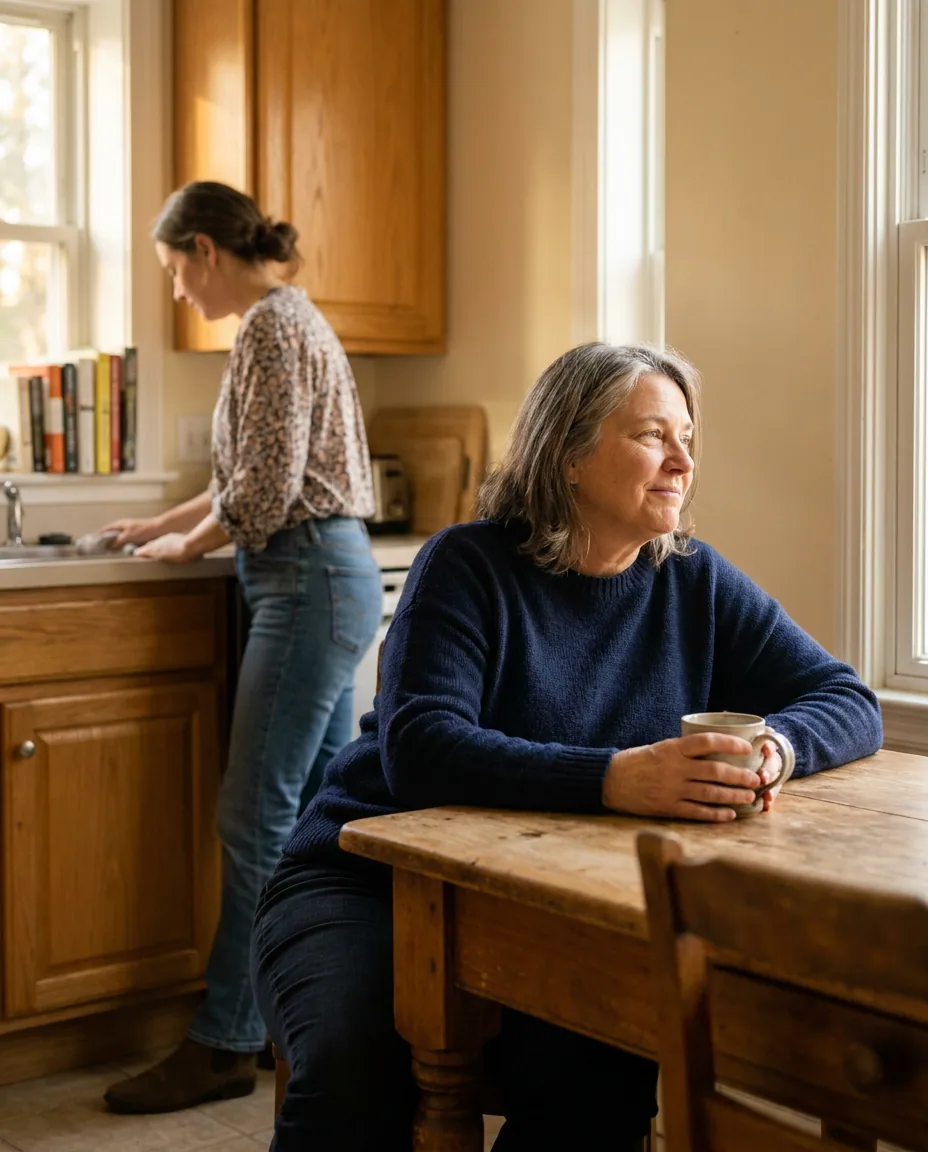
A caregiver supports, accompanies, reminds, supervises, and keeps a routine steady, with meals, dressing, and the ordinary business of a house. Clinical work belongs to clinicians, and Endurance is not one. The distinction matters most in dementia, because the need looks continuous and it is easy to assume the woman in the chair beside your mother is a nurse. She is not, and she will tell you so herself. What she is is the person who knows the blue mug is the right mug.
Memory support sits alongside all home care services, on one schedule.
Trained for this, then trained again
Caregivers complete 3-hour sessions on managing dementia and Alzheimer's symptoms, and our nurses hold the Certified Dementia Educator qualification, an 8-hour course with an examination at the end. Most of our caregivers are also certified nursing assistants, which is 75 to 120 hours of state-mandated certification in its own right.
Those are three different numbers measuring three different things and it is worth keeping them apart. The CNA hours are general certification, not dementia training. The dementia training is the three-hour sessions and the eight-hour nurse qualification. We would rather tell you which is which than add them together into one impressive figure.
That cadence matters more in dementia than in any other kind of home care, because the job description keeps changing underneath the person doing it. What worked in March stops working by July. A caregiver still learning in month nine is a caregiver who can meet the person in front of her, rather than the person she was introduced to.
Ask on the call
Three hours on dementia. Eight for the nurses, with a test.

Screening, then matching
Before a caregiver is placed in a home, Endurance runs background checks, reference checks, and verification of qualifications and certifications. That is the floor, and it is the part every family thinks to ask about. The part that decides how the arrangement actually goes is the second one. With dementia the relationship is the service, and a person who is confused about the year is rarely confused about whether she likes you.
What screening settles
Background checks, reference checks, and verification of qualifications and certifications, before anyone is placed in a home.
Is this person safe to send.
What matching settles
Temperament, pace, patience, and what a household is actually like at four in the afternoon, when the day is at its hardest.
Will this person be let in the door a second time.
Care resistance is common, and it is more often a matching problem than a refusal. That is why the introduction is the work here, rather than the paperwork that comes before it.
What a day looks like
None of it is dramatic, which is the point. A day goes better when it is boring in the same way every time, so the schedule is built around the hours that are hard in this particular house rather than around a template.
Morning
Up at the usual hour, breakfast the usual way, and a prompt when a medication is due. Caregivers give the reminder, and only the reminder.
Midday
Lunch, a walk if the weather allows, laundry and light housekeeping done around her rather than at her.
Afternoon
The stretch most families name as the hard one. Company, a familiar program on, and a task she can still do well.
Evening
Dinner, the same chair, the same order of things, and hands on support with bathing and dressing where it is needed.
Night
Someone within earshot. When the nights stop being safe, the schedule grows rather than the address: stepping up to around the clock coverage.

The safety layer
- Every month
- A customized monthly assessment updates the schedule and preferences on file, so the arrangement in place is the one the household wants now, not the one it wanted in spring.
- Optional
- Families can add 24/7 audio alerts. The alert reaches the Endurance team so a person can respond. That is the entire claim it makes. Nothing about it is medical.

Staying home, and what happens when needs grow
Home is doing real work
For someone whose memory is going, familiarity is not sentiment. The route to the bathroom, the sound of that particular door, the order of the kitchen drawers. A move spends all of it at once. Care at home is the arrangement that spends the least of what is already scarce.
Timing is checked against the plan
The team confirms timing after checking the address, schedule, support needs, and an available caregiver match.
It can also start small
A few hours a week is a real beginning, and it is often the one a parent will agree to.
starting with companion visitsPaying for it
Many long term care policies cover this, and the terms differ enough that reading yours matters more than any general answer.
long term care insurance help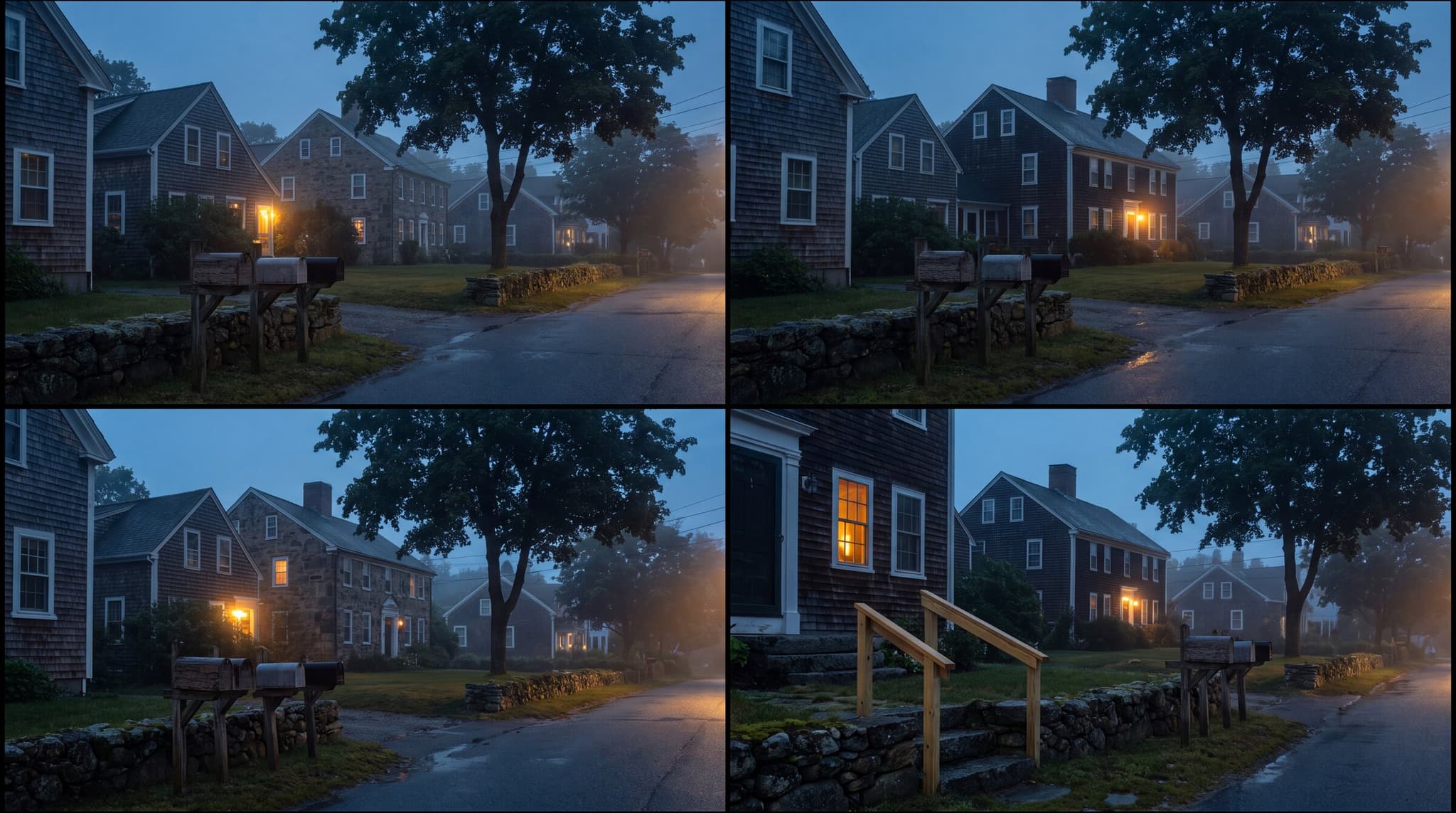
Questions families ask
in home dementia care
In home dementia care is daily-living support that lets a person with Alzheimer's or another dementia stay in their own home: steady routines, companionship, meals, personal care support, medication reminders, and safety supervision. Endurance Home Care provides it as Memory Support at Home across Fairfield County, with caregivers trained on dementia during orientation and monthly afterward.
Can someone with dementia be cared for at home?
Often, yes, with the right level of support. Families combine trained caregivers, set routines, medication reminders, and safety supervision at home, adding hours as the disease progresses, up to live in or 24 hour coverage. An in home assessment is the honest way to find the right starting level for your parent.
Are your caregivers trained for dementia care?
Yes. Every Endurance caregiver completes an orientation training program covering specific disease states including Alzheimer's and dementia, along with safety protocols, medication reminders, and effective communication, and continues with ongoing monthly online training after hire.
What if my parent refuses help?
Care resistance is common, and the match usually decides the outcome. Endurance screens and matches caregivers deliberately; one family's Google review of a care resistant father says simply, her amazing personality won him over. Starting small helps: a few companion hours a week, growing as trust builds.
When is it time for more than hourly dementia care?
Families usually act on nighttime wandering, missed medications, falls, or their own exhaustion. Care can step up gradually, from daily visits to live in or 24 hour coverage, and Endurance's customized monthly assessment gives a scheduled point to adjust. The consultation team helps map the next level before a crisis forces it.
Connecticut License HCA.0002450, serving Connecticut and New Jersey. New York service is companion care only.
Do we come to you?
Full daily-living care in Connecticut and New Jersey, companion care only in New York. Coverage runs by town, so check yours before you call.
- Full daily-living care
- Companion care only
- Not served
Full daily-living care
- Fairfield County, CT
- New Haven County, CT
- Bergen County, NJ
- Essex County, NJ
- Morris County, NJ
- Somerset County, NJ
- Union County, NJ
Companion care only
New York is companion care only. We do not hold a New York State licence and do not provide hands-on personal care there, such as bathing, dressing, toileting or transfers.
Coverage is by town rather than by county line, and the honest answer for a specific address is sometimes no. Check your town or ask when you call.
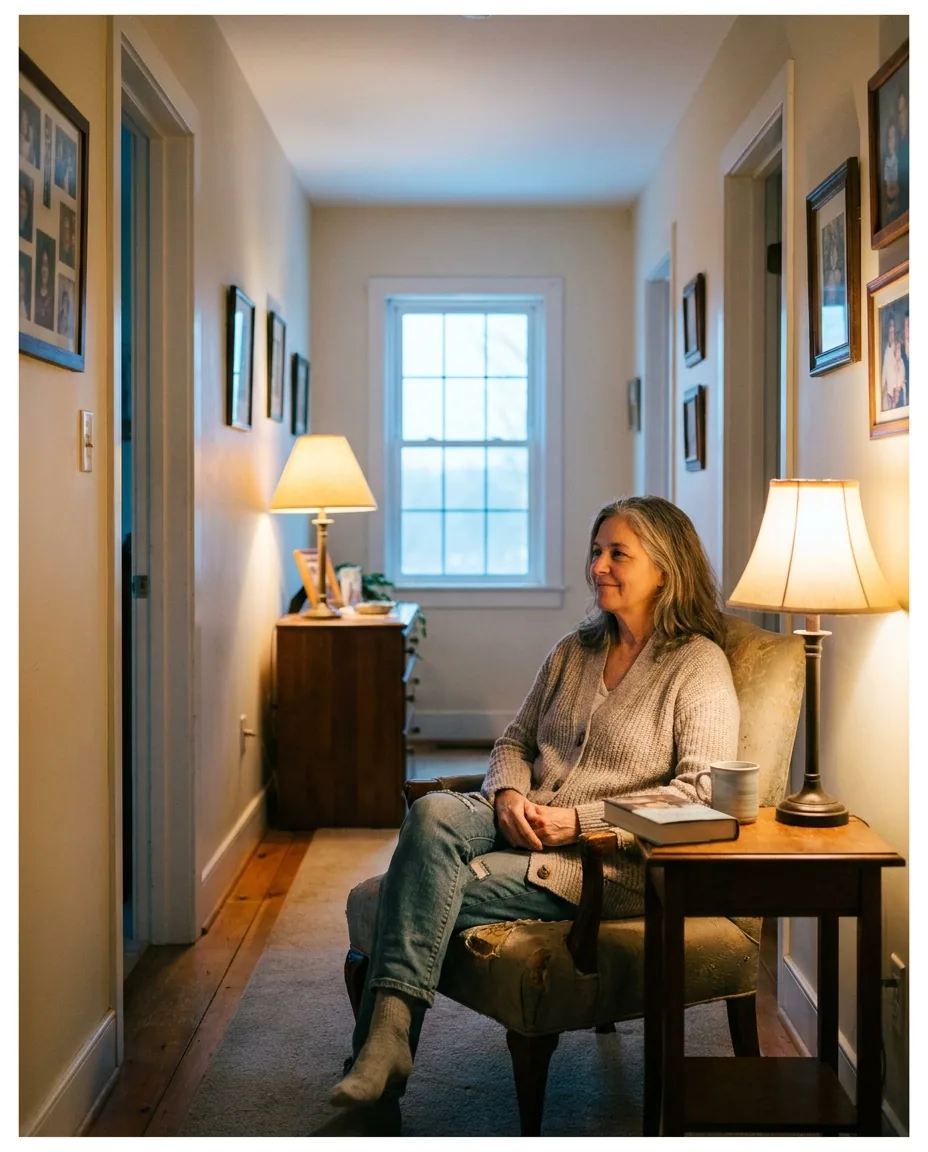
Same walk, same four mailboxes, same chair by the window.
Memory support at home across Connecticut and New Jersey, from offices in Stamford and Short Hills. New York service is companion care only.
Call (203) 936-6847