
Family founded · Home care in CT and NJ · Companion care in NY
Uncompromising Care. The Comfort of Home.
Thoughtfully matched support built around each family’s needs. Clearer communication, dependable continuity, and the comfort of surroundings nobody has to learn.
58 reviews on
As Seen In













We’ve had an overall very positive experience with Endurance Home Care. From the very beginning, their timing was fast and incredibly professional. They responded quickly to our inquiry and made the entire onboarding process smooth and stress-free.
Featured interview
TAPinto
Scotch Plains/Fanwood · August 2026
Our mission is to improve the quality and duration of life for our clients.
What is Endurance Home Care?
Endurance Home Care is a family-founded concierge care agency serving Connecticut, New Jersey, and New York from offices in Stamford and Short Hills. We support families at home, in care facilities, and through hospital-to-home transitions. In Connecticut and New Jersey, services include hourly, live-in, awake overnight, personal, companion, and memory support. In New York, Endurance provides companion care only. Skilled nursing, home health aides, and physical therapy in Connecticut are provided separately by Endurance Home Health.
Why Choose Endurance?
- Caregiver hiring record
- More than 800 caregivers hired since founding.
Start here
What changed?
You do not need to know the clinical terms or the care models. You just need to tell us what is happening, and we will map out the hours, the levels of support, and a personalised care plan for your family.
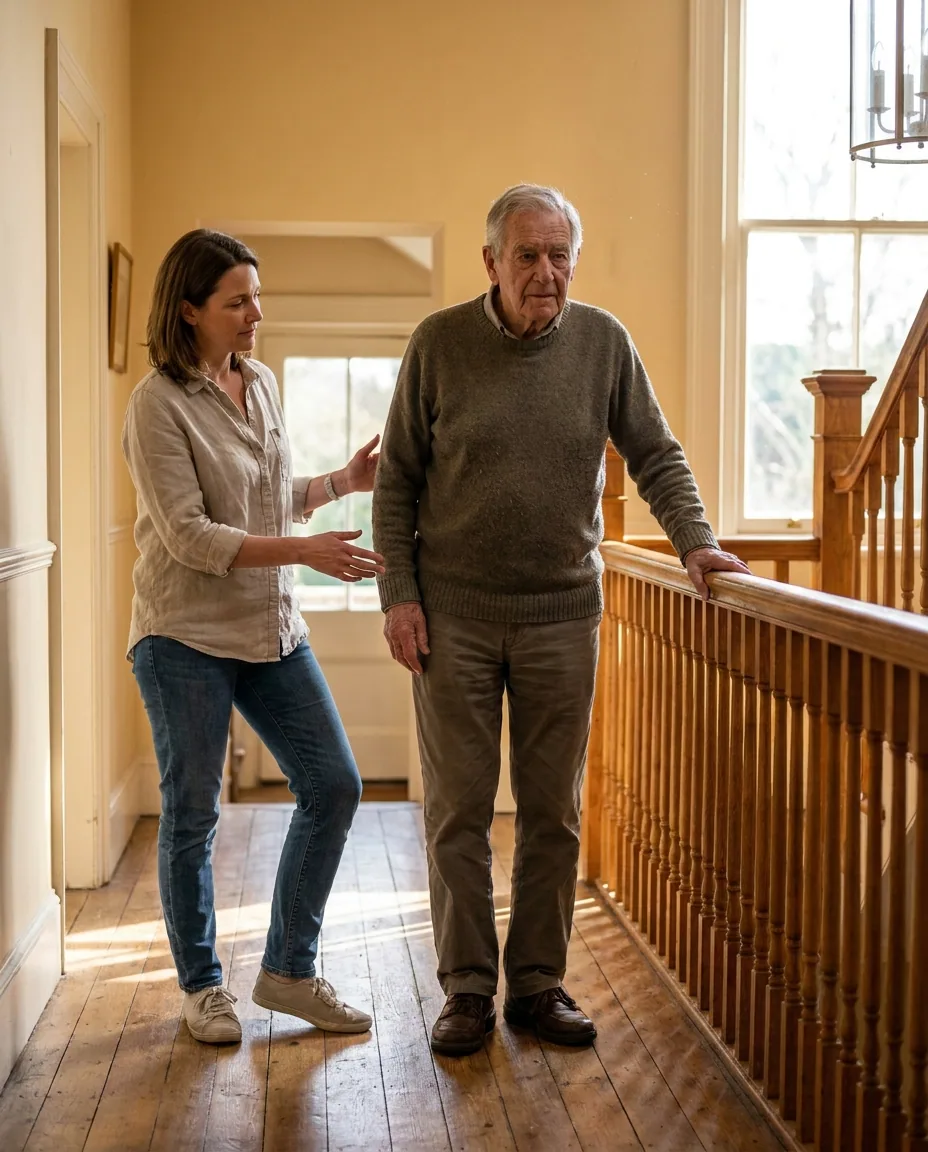
- Something just happenedA fall, a hospital call, a wandering incident, or a night that went badly wrong. You need to know what is possible this week.
 See what can start quickly
 - They are coming home from hospitalDischarge is set, the paperwork is thick, and nobody has explained who does what once the front door closes.
 The first 72 hours at home
 - Memory is changingRepeated questions, missed meals, evenings that get harder, or help that gets refused. You want support that does not take over.
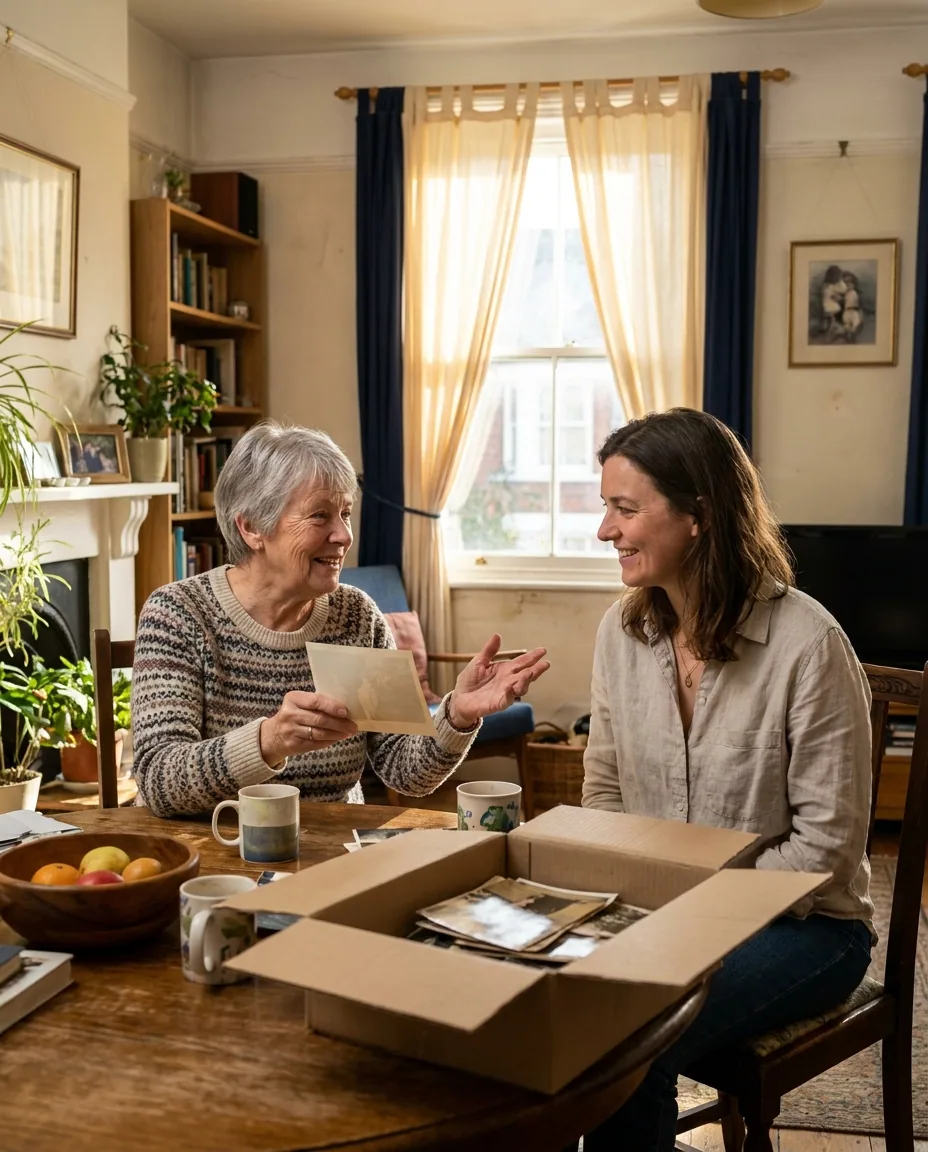 How memory support works at home
 - The nights are the problemGetting up, wandering, calling out, or simply the fear of what happens at three in the morning when nobody is awake.
 Live-in care or awake overnight care
 - I cannot keep doing this aloneYou are the spouse, the daughter, the son. It has been months. You need hours back without handing the whole thing over.
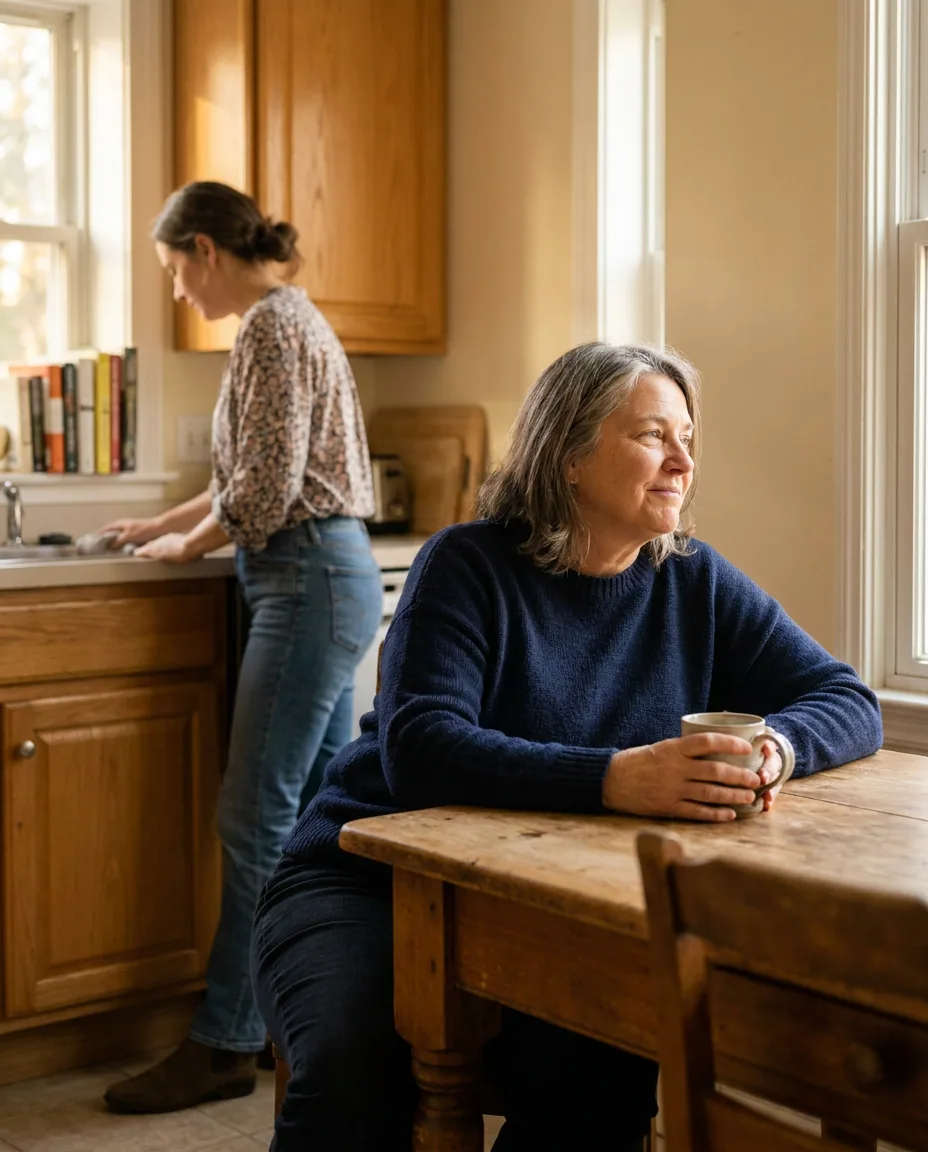 Respite and regular hours
 - Nothing is wrong yet, and I want to be readyYou can see where this is going and you would rather choose while there are still choices to make.
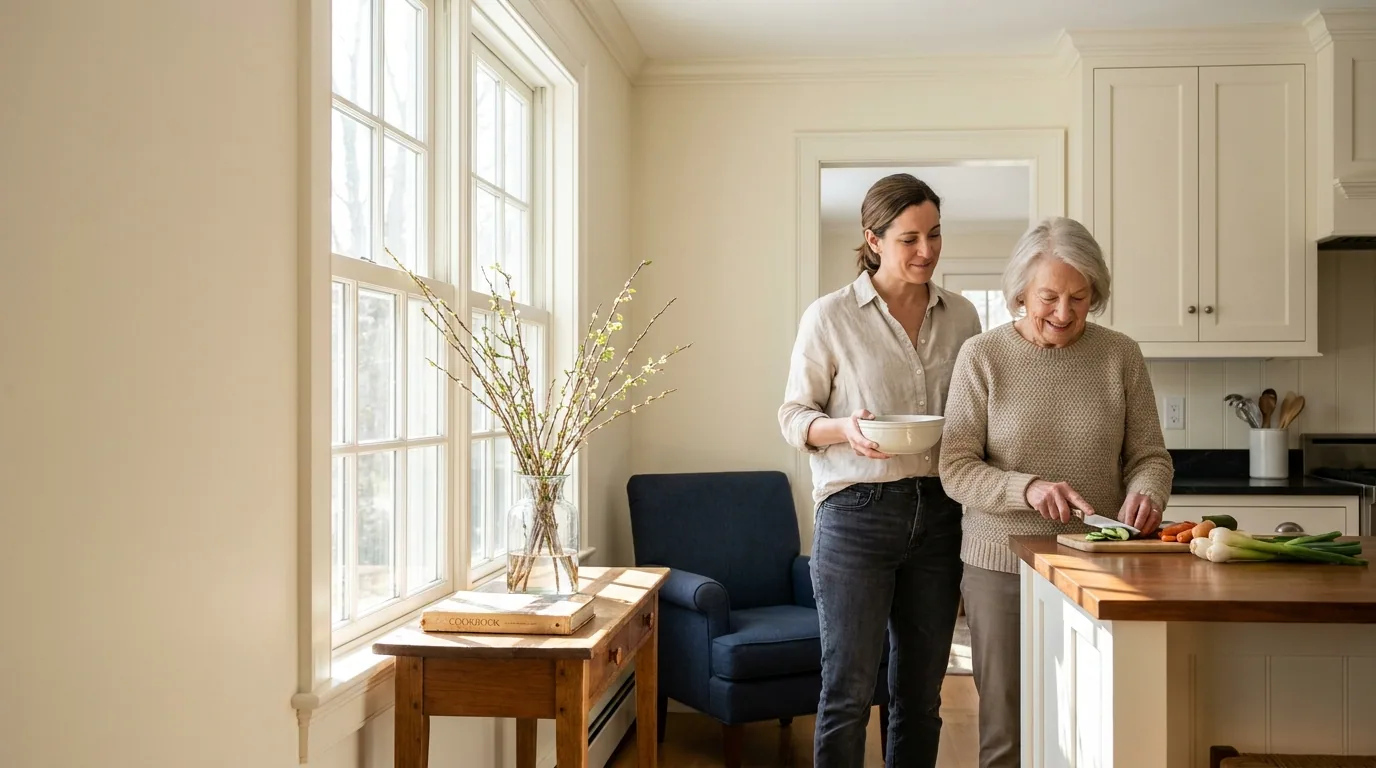 Plan before a crisis
The decision underneath the decision
You are not choosing a list of tasks.
You are choosing who comes into the house.
Every family we speak with arrives carrying the same unspoken questions, and almost none of them appear on a standard service menu. Can I trust a stranger in our home, around the medications, the mail, the private family photos? Will my mother refuse the care, or resent me for arranging it? Will the same caregiver show up consistently? Will anyone actually keep me informed when I cannot be there?
And beneath every single question lies the one that rarely gets said out loud: does asking for help mean I have given up?
It does not. Getting support is what gives you room to be their daughter, their son, or their husband again, instead of the person who administers their day.
The Endurance standard
Anyone can promise thoughtful care. These are the five standards we will be held to.
What that means in practice
Five standards we will be held to
Every home-care company promises compassionate, personalised care. These are the same promises with a name attached to each and a description of what your family should expect.
Chosen, not assigned
- Who owns it
- Your Care Coordinator
- What you receive
- A caregiver profile before the first visit, and an introduction rather than a stranger at the door
A plan that evolves
- Who owns it
- Your Care Manager
- What you receive
- A clear care plan that we build together, revised with the changes marked as needs move
Continuity by design
- Who owns it
- Your Care Coordinator
- What you receive
- Support for your household 24 hours a day, and a backup plan written into the care plan with names in it
The family stays informed
- Who owns it
- Your Care Manager
- What you receive
- A recurring update and an escalation path with a name attached
Technology only if you want it
- Who owns it
- You, and you can change your mind
- What you receive
- A data-driven approach to care, and a plain account of what it can and cannot do before you decide
The whole process, step by step, is on how it works.
Care options
Which model fits, and which one does not
The most expensive mistake in this category is buying the wrong model. These full care models are available in Connecticut and New Jersey; New York service is companion care only.
 Hourly home careYou name the hours that are hard and we staff them. The least expensive way to start, and often enough on its own.
 Live-in home careOne caregiver living in the home. They sleep at night, in their own room. Right when the days need support and the nights are settled.
 Awake 24-hour careA rotating team who stay awake through their shifts. The answer when the nights are the problem, and a multiple of the cost of live-in care.
 Memory support at homeFamiliar routines held steady, and support that works with the reality someone is in rather than arguing with it.
 Hospital to homeThe first 72 hours after discharge, when a family is most stretched and a plan is least likely to exist.
 Care in facilitiesOne-to-one company and support for someone already living somewhere else. Frequently overlooked, and frequently what helps most.
Not sure which? Live-in care compared with awake 24-hour care is where most families find their answer.
What a caregiver does, hour by hour
Families rarely call asking for a care model. In Connecticut and New Jersey, the full support catalogue is available. New York service is companion care only, including company, meals, light household routines, verbal reminders, accompaniment, and family updates.
What happens in those hours
Start here if you know the days are getting harder and the open question is what a caregiver would really do.
- Personal careBathing, dressing, grooming, toileting, and transfers within a caregiver's training.
- Memory supportFamiliar routines held steady, and the evenings that have become the hardest part.
- CompanionshipConversation, errands, and the difference between a quiet house and an empty one.
- HomemakingLaundry, tidying, and a kitchen that is usable again by Tuesday.
- Medication remindersA prompt at the right hour. Never administered, adjusted, or managed.
- TransportationAppointments, the pharmacy counter, and the walk back in through the front door.
- Safety and mobilitySomebody within earshot, and the stairs made less of a decision.





Let care adapt to the person, not the other way around.
When someone’s needs can be supported safely at home, home deserves to be the first option considered. The routines, relationships, and sense of control a family is trying to protect are already there.
And the boundary
Home first does not mean home at any cost
When home may not be the right setting
- A home that cannot be made safe for the physical support required, where modification would cost more than it solves.
- Isolation that hours cannot fix, where a residential community would give someone more of a life rather than less.
If any of these describes your situation, say so on the call. A responsible advisor should tell you when a different setting fits better, and ours are asked to.
The full comparison is on home care or a facility, with the facility column written properly rather than as a straw man.
Where we work
Three states and two offices. Connecticut and New Jersey get the full service, hands-on personal care included. New York is companion care only. If your town is not named, ask us and we will tell you honestly rather than route you into a form.



Where we actually go
Three states, and three different answers. Color by county, links beside it, and the towns underneath each county.
- Full daily-living care
- Companion care only
- Not served
Full daily-living care
- Fairfield County, CT
- New Haven County, CT
- Bergen County, NJ
- Essex County, NJ
- Morris County, NJ
- Somerset County, NJ
- Union County, NJ
Companion care only
New York is companion care only. We do not hold a New York State licence and do not provide hands-on personal care there, such as bathing, dressing, toileting or transfers.
Coverage is by town rather than by county line, and the honest answer for a specific address is sometimes no. Check your town or ask when you call.
Paying for care
What it costs, said as plainly as we can without inventing a number
Cost depends on hours, care model, market, and acuity, and a figure printed on a homepage would be a guess dressed as a quote.
What we can tell you now: most families fund this privately or through a long-term care policy. Medicare does not pay for ongoing daily-living care at home. Part-time hourly support is the least expensive arrangement available, and awake round-the-clock care at home is often more expensive than a residential setting, which is a trade-off worth knowing before it arrives as a surprise.
Questions families ask first
What kind of home care does Endurance provide?
In Connecticut and New Jersey, support can include hourly care, live-in care, awake overnight cover, personal care, companionship, homemaking, transport, memory support, and one-to-one support at home or in a facility. In New York, Endurance provides companion care only.
Where do you provide care?
Connecticut, New Jersey and New York. In Connecticut that means Fairfield County, anchored by our Stamford office, and parts of New Haven County. In New Jersey it means the northern counties, anchored by our Short Hills office. In New York it means Westchester County, served from the same Stamford office. Companion care only in New York. No hands-on personal care.
What does home care cost?
It depends on the hours, the care model, the market, and the level of support needed. Part-time hourly support is the least expensive arrangement. Awake round-the-clock care at home is frequently the most expensive option a family will consider, including compared with a residential setting. We give you a real range on the first call rather than a figure on a page.
How quickly can care start?
Start timing depends on the ZIP code, schedule, care needs, and caregiver availability. Tell us the location and hours and the team will give you a realistic answer for that specific plan.
Every question we are asked. Coverage in detail: Connecticut, New Jersey, New York.