
How it works
The parts of home care that usually stay invisible.
Anyone can promise thoughtful matching and dependable cover. This page names who is accountable for each step and what your family can expect. Home care in Connecticut and New Jersey; companion care only in New York.
What happens between calling a home-care agency and care starting?
A care advisor calls you back and asks what changed. An assessment in the home produces a written care plan. A caregiver is matched on schedule, needs, temperament, and household preferences, and introduced before the first shift. From there a Care Manager owns continuity, backup cover, and family updates, and the plan is revised as needs move. Full home-care tasks are available in Connecticut and New Jersey; New York service is companion care only.
The care journey
Seven steps, each with a name on it
Each step below names the role accountable for it and what your family can expect from it.
The first conversation
A care advisor calls you back. The first ten minutes are about what changed and how we can be helpful. We explain how we do things differently and why we believe we are your best partner for senior care.
- Who owns it
- A named care advisor from your local community
- What you receive
- A plan of action and useful information
The assessment
In the home where possible, by video where it is not. In Connecticut and New Jersey, we walk the full day: waking, dressing, meals, medication reminders, mobility, the hours that are hardest, and what most importantly makes the client smile. In New York, the assessment is limited to companion-care tasks.
- Who owns it
- The Care Manager, with the older adult present and consenting
- What you receive
- A written care plan with goals, preferences, household details, and the specific tasks agreed
The match
We consider schedule, support needs, temperament, interests, language, household preferences, mobility, driving, and experience. It is a considered match, not a shift filled from a rotation, and it is not a guarantee: if the fit is wrong, we change it.
- Who owns it
- The Care Coordinator, reviewed by the Care Manager
- What you receive
- A caregiver profile before the first visit, and an introduction rather than a stranger at the door
The first day
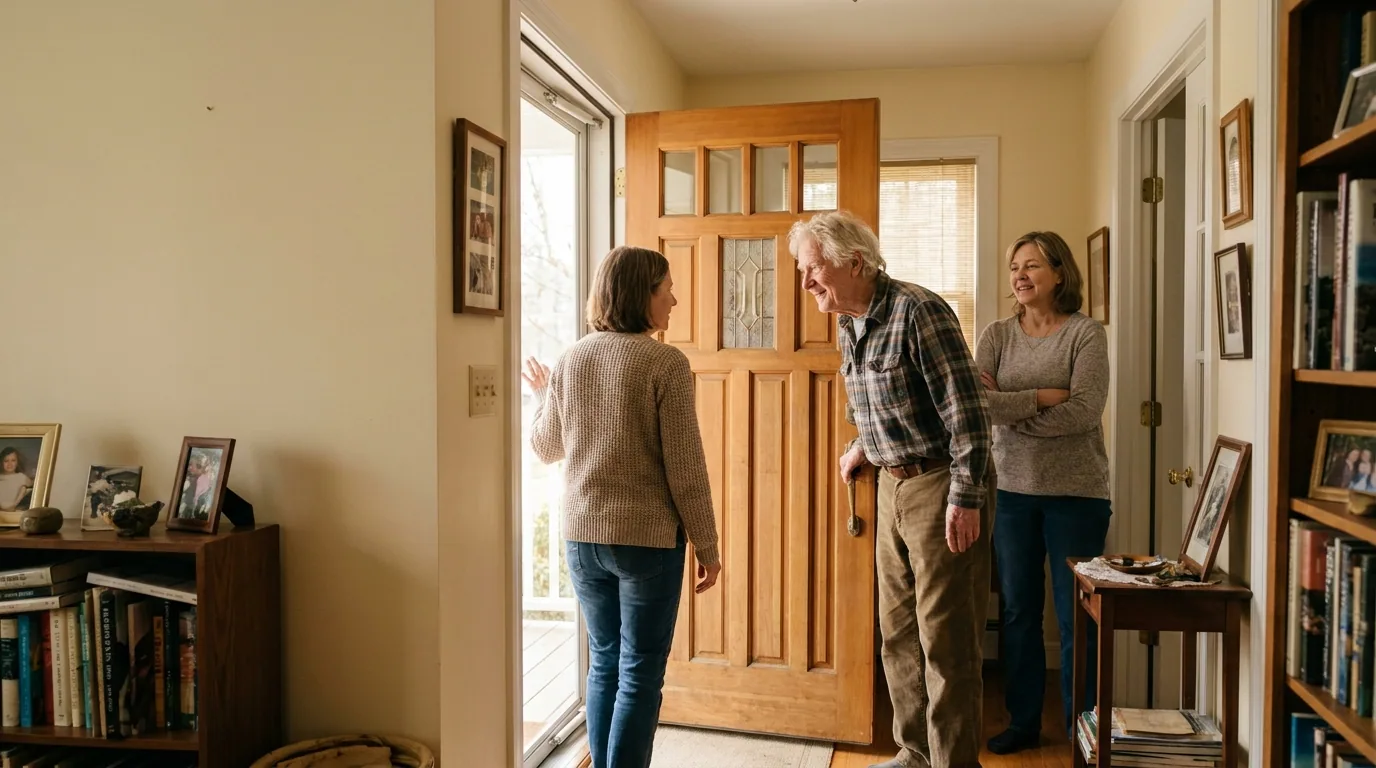
Someone from the office is involved in the first visit. The caregiver has read the plan before arriving, knows the routine, knows where things are kept, and knows what the person wants to do for themselves.
- Who owns it
- The care advisor, alongside the primary caregiver
- What you receive
- A first-day note to the family, in the channel you chose
Continuity and backup
A primary caregiver, a backup plan, and a Care Manager who knows the household. When a shift cannot be covered by the primary, the family is told before they notice, not after.
- Who owns it
- The Care Manager for your household
- What you receive
- A backup plan written into the care plan
Family communication
You choose the channel and the rhythm. Updates describe what happened, what changed, and what our plans are for your family member.
- Who owns it
- The primary caregiver, escalated by the Care Manager
- What you receive
- A recurring update, plus an escalation path with a name attached to it
The plan changes, because it always does
Care needs move. The plan is reviewed on a set cadence and whenever something shifts, and the family's preferences are updated with it rather than being captured once at intake and never revisited.
- Who owns it
- The care advisor
- What you receive
- A revised care plan, with what changed marked
Accountability
Who you are actually dealing with
A home-care arrangement usually collapses at the seam between the person in the house and the office behind them. These are the five roles, and which of them owns what.
You
The household
The older adult, whoever holds the decision, and anyone at a distance who needs to know what happened today.
Owns the plan
Your Care Manager
Runs the assessment in the home, writes the plan, and revises it when needs move.
Owns the schedule
Your Care Coordinator
Holds continuity and cover. This is the person who calls you when something moves.
Owns the match
Your family and Endurance
The match is made in partnership. You meet the caregiver before the first shift, and a different one is not a favour to ask for.
In the home
The primary caregiver
Holds the relationship and the routine. Has read the plan before the first visit.
Behind them
The caregiver bench
More than 800 caregivers hired since founding. A backup plan sits in the care plan, and the size of the team behind it is why it holds.
Every one of these is a person you can name, except the last, which is the reason the others can keep their promises. If you cannot get a straight answer about which of them owns a problem, that is a fair thing to raise on the call.
Matching
Chosen, not assigned
The single thing families ask about most, and the thing agencies are vaguest about. Here is what actually goes into a match.

- The hours and days that need covering
- The specific support needed, task by task
- Temperament, pace, and how much conversation is wanted
- Shared interests and background
- Language spoken at home
- Household preferences, including pets and smoking
- Mobility support and transfer experience
- Whether driving is required
- Experience with memory changes, where that is relevant
- Who else is in the house and when
What we will not tell you is that the match will be perfect. It is a considered judgement made by people, and people get it wrong sometimes. What we will commit to is that raising it is easy, early, and free of awkwardness, and that changing a caregiver does not mean starting the whole arrangement again.
Continuity
The plan should not collapse when a schedule changes
Continuity is not a promise that the same person appears every single day forever. It is a system for what happens when they cannot.
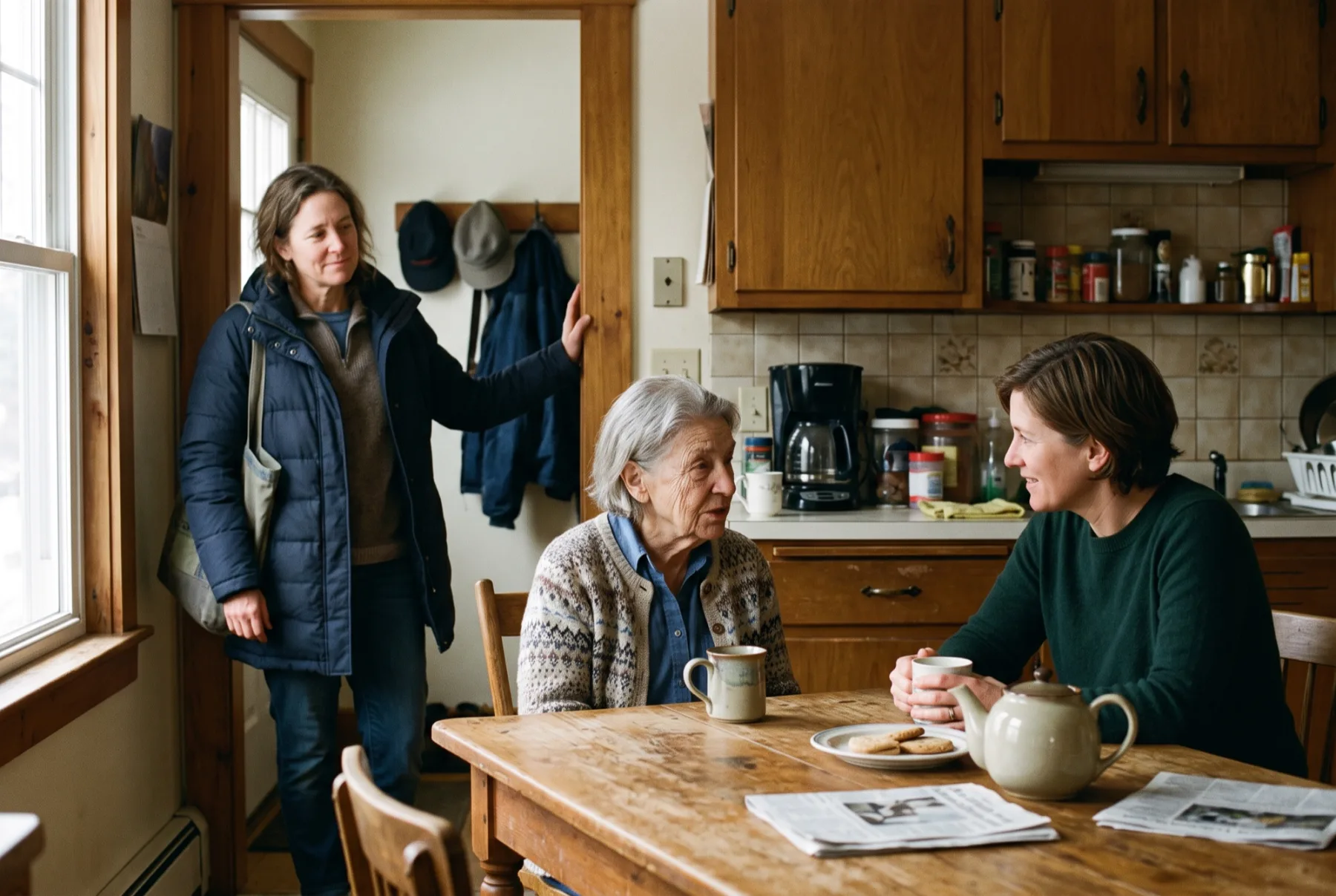
A primary caregiver holds the relationship, and a team built from more than 800 caregivers hired since founding stands behind them, so cover is a familiar face rather than a stranger with a clipboard. A Care Coordinator owns the schedule and is the person who calls you when something moves, and a Care Manager owns the plan behind it. The failure mode this is built against is the one families describe most often: a rotating cast of people who each have to be taught the routine from scratch, while the person receiving care gets quieter and quieter about it.
The morning the caregiver calls in sick
This is the sequence, and the first cell is the part that matters most: the call goes to the office rather than to you.
6am, the shift cannot be covered
The primary caregiver calls the office, not the family.
Primary caregiver
Within the same morning
The Care Coordinator works the backup plan first, drawing on a team of more than 800 caregivers hired since founding.
Care Coordinator
Before the visit window
The family is told who is coming and when. Told before they notice, rather than after a visit is missed.
Care Coordinator
If the cover is not right
Say so early. Changing a caregiver does not mean starting the arrangement again.
Care Manager
Start timing depends on the location, schedule, support needs, and an available caregiver match. More notice creates more room to choose a strong fit rather than simply fill a shift.
Family communication
Distance should not mean silence
You choose the channel and the rhythm. An update says what happened, what changed, and what we plan to do about it.
A caregiver can tell you that your mother ate half her lunch, seemed more tired than usual, and did not want to go out. What you get alongside that is what we intend to do: whether the hours want moving, whether the Care Manager is going back out to the house, whether something is worth raising with her doctor at the next appointment. An observation with no plan attached to it leaves the family holding the decision on their own.
There is also an optional technology layer. It is genuinely optional, it is explained in full rather than sold, and it can be declined without any effect on the care. Read exactly what it does and does not do.
Questions about the process
How long does it take to start care?
It depends on the town, schedule, care needs, and available caregiver match. Overnight and awake round-the-clock cover in Connecticut or New Jersey generally takes more planning than weekday daytime hours. New York service is companion care only. Tell us the ZIP code and schedule and we will give you a realistic answer without promising a start date before checking.
What happens if we do not click with the caregiver?
Tell us early. A mismatch that gets tolerated for three weeks is much harder to fix than one raised after the second visit. We will talk through what is not working, and if the answer is a different caregiver, we change the caregiver. There is no penalty for asking.
What if the regular caregiver is sick?
There is a backup plan in the care plan, and more than 800 caregivers hired since founding behind it. If the primary cannot make a shift, the Care Manager arranges cover and tells the family before the visit window, not after it is missed.
Can the family see what is happening day to day?
Yes, at whatever level of detail you want and the older adult agrees to. That consent matters: an adult who has capacity gets a say in what is shared about their own day, and a care plan that quietly routes around them is a plan that will get refused.
Do caregivers handle medication?
Caregivers may give verbal reminders. They never select, handle, administer, set up, manage, or verify medications or doses. Where a household needs more than a reminder, it needs an appropriate clinical provider. In New York, any reminder is an ordinary verbal prompt within companion care only.
What it costs and how it is paid for is on the paying for care page.