

An identification key for families
Early Signs of Dementia
Forgetting what you were just told is the change adult children notice first, usually on the phone.
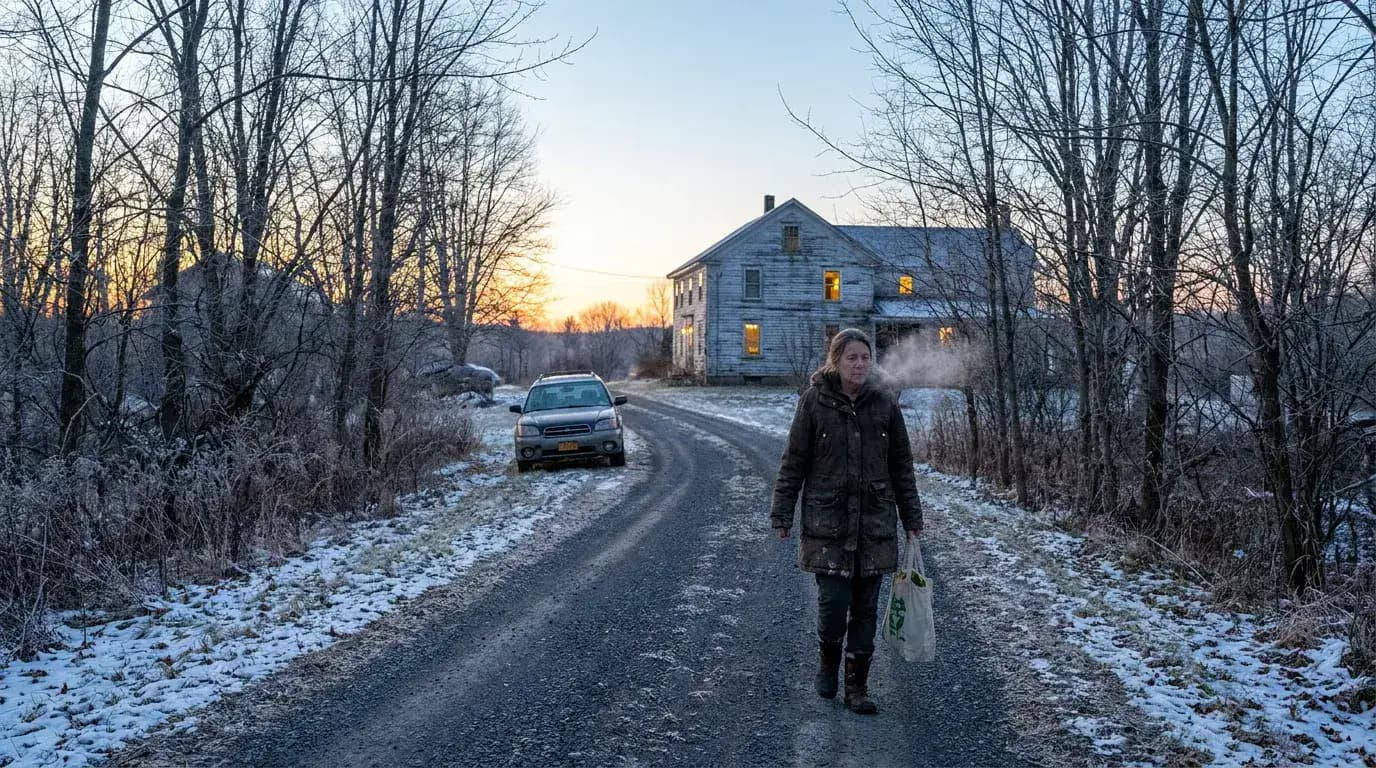
Nobody notices a diagnosis. They notice a question asked twice.
Forgetting recently learned information is one of the most common early signs of Alzheimer's disease, and it is the change adult children usually notice before anything else.
early signs of dementia
One of the most common early signs, especially of Alzheimer's disease, is forgetting recently learned information: the same question asked repeatedly, appointments missed, names of new people lost. The Alzheimer's Association lists 10 warning signs and advises scheduling a doctor's appointment if any of them appear. Dementia is not a normal part of aging, so changes that interfere with daily life are worth raising rather than waiting out.
The same question, asked again
A question you answered ten minutes ago comes back word for word, and the answer lands as though it were new. Adult children usually meet this one on the phone, weeks before they meet anything in the house.
The appointment nobody wrote down
A standing appointment is missed, then a second, and each time the reason is that it was never mentioned. What slipped is not the calendar. It is the recent memory of being told.
The name that will not come
Names from forty years ago stay put. The new ones go first, a new neighbour, a new doctor, somebody met twice at a birthday, because those were the names learned most recently.
All three are one change wearing three coats: recently learned information not staying put. The Alzheimer’s Association publishes ten warning signs and symptoms in total, and the instruction attached to them is short. If you notice any of them, do not ignore them, and schedule an appointment with your doctor. The full list is worth the twenty minutes it takes to read, and it is the better thing to hand a sibling than a worry. Alzheimer’s Association, 10 warning signs

Normal aging, or a change worth a doctor visit
Start from the thing most families get backwards. Dementia is not a normal part of aging. MedlinePlus puts it in one line: it is a serious disorder that interferes with your daily life. That verb, interferes, is the whole dividing line. Forgetting where the keys went is ordinary at every age. Missing the bills, asking the same question through an afternoon, or losing the thread of a task done every week for thirty years is a different category, because the day itself stops working. MedlinePlus, dementia
The second thing worth knowing early is that dementia is not one disease. The Alzheimer’s Association describes it as an umbrella term for a collection of cognitive, functional and behavioural symptoms caused by specific diseases, which is why two families using the same word at the same kitchen table can be describing two different situations. Alzheimer’s Association, dementia and Alzheimer’s
None of this is a screening, and none of it is yours to perform. Only a doctor can diagnose dementia, name which disease is behind it, or rule it out. What a family can do is notice accurately, write down what was seen and when, and arrive at the appointment with a record instead of an impression.
Is the change interfering with an ordinary day?
Not yet, but something is off
Nothing has broken. The week is just quieter, or thinner, than it was.
signs an elderly parent needs helpYes, and we do not know what we are looking at
The words being used at the kitchen table are doing a lot of work and nobody is sure they mean the same thing.
dementia vs alzheimersYes, and the day already needs covering
The appointment is booked, and the practical question is what the hours in between look like.
dementia care at home
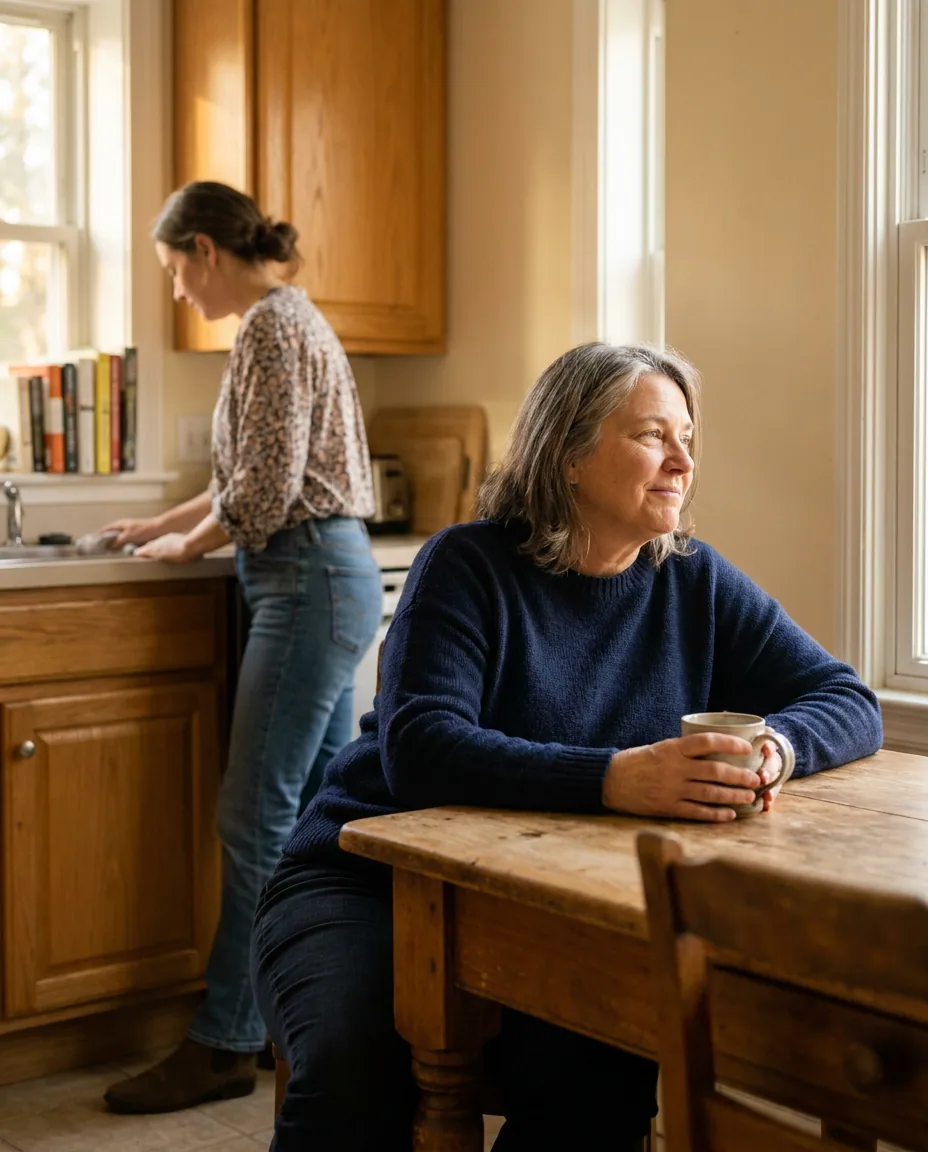
Why raising it early is worth the discomfort
Almost every family waits, and the reason is decent rather than negligent. Naming it out loud feels like an accusation, and being wrong feels worse than being late. So the conversation gets postponed to the next visit, and the next visit is Thanksgiving.
The case for going earlier is not that it makes the news easier. It is that early detection opens doors that close later. The Alzheimer’s Association puts it this way: with early detection, people can explore treatments that may provide some relief of symptoms and help maintain a level of independence longer. Alzheimer’s Association
The other door is time. Going early buys the months in which a parent can still say, in their own words, where they want to live, who they trust with money, and what they would rather nobody do on their behalf. Those answers are far better given than guessed at. A family that starts the conversation this spring is choosing to be a participant in the arrangements rather than an executor of them, and that is the part nobody regrets.
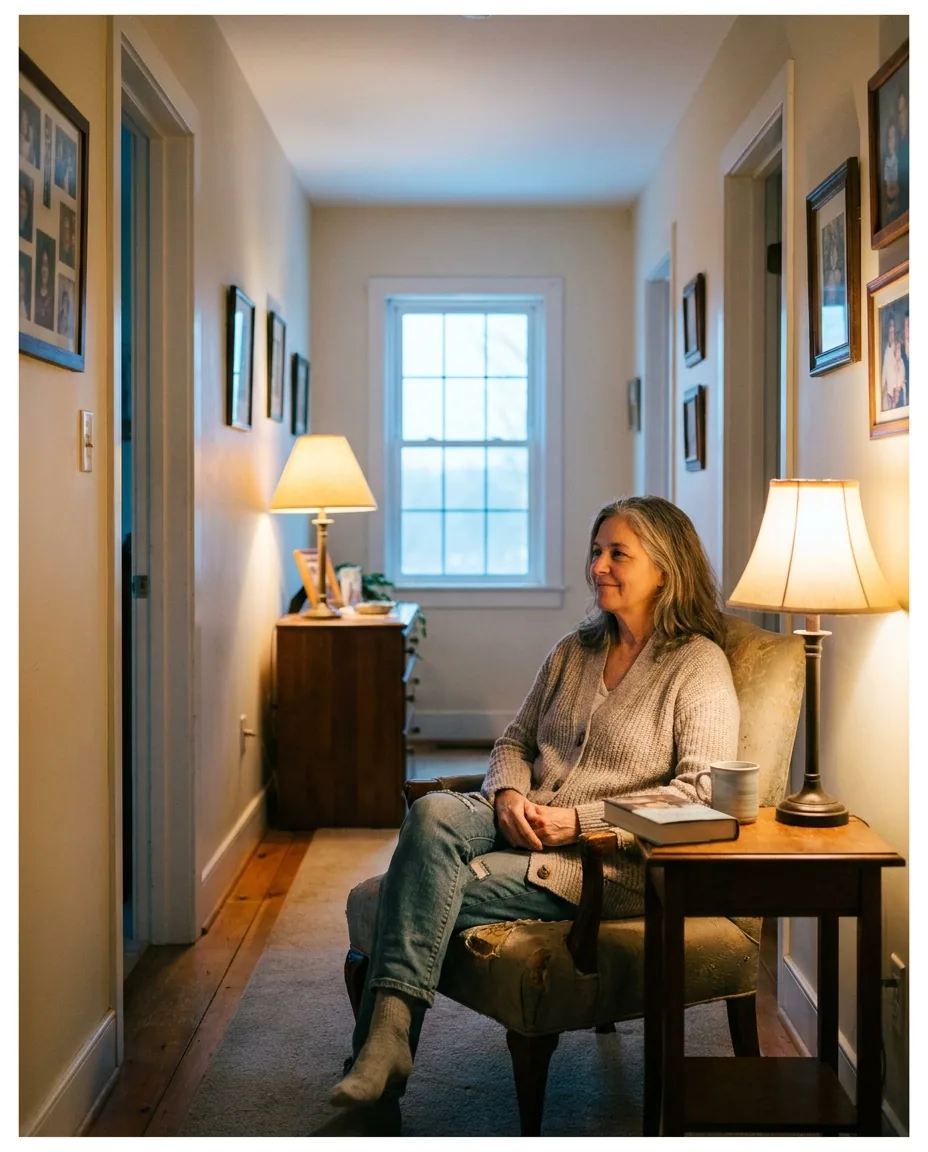
What help at home looks like at this stage
The situation families describe to us most often at this point is not a crisis. It is a parent who will not consider a senior residence and is plainly struggling to cope in the house they intend to stay in. That is a solvable shape, and it is usually solved with fewer hours than anybody expects.
Early support is ordinary support. Companionship, so that the day has somebody in it. Homemaking, so the kitchen and the laundry stay ahead of the week. Transportation to the appointments that are now part of the calendar. Medication reminders at the right hour, which means a caregiver prompts and never administers, adjusts, or manages a prescription. Nothing on that list is medical, and none of it asks a parent to accept a label. It asks them to accept a hand with the house.
Framing it that way is the practical trick. Help offered as a way to stay home lands better than help offered as a response to decline, and it is also the truer description of what is being arranged. When memory is the reason rather than the aftermath, the fuller arrangement is in home dementia care.
Endurance Home Care provides care at home in Connecticut and New Jersey, with companion care only in New York. Skilled nursing, home health aides and physical therapy in Connecticut are provided by Endurance Home Health. Connecticut License HCA.0002450 · New Jersey License HP0435100 · Connecticut DPH License 9915786 (Endurance Home Health). Memory support serves Connecticut and New Jersey; New York service is companion care only.

Questions families ask before they are sure
Is forgetfulness always dementia?
No. Occasional lapses happen at every age. The distinction that matters is interference with daily life: missed bills, repeated questions, difficulty with familiar tasks. Dementia is not a normal part of aging, which is why a pattern of interfering changes is a reason to see a doctor rather than to wait.
Why bother getting checked early?
With early detection, people can explore treatments that may provide some relief of symptoms and help maintain a level of independence longer. It also buys planning time: legal, financial, and care decisions made with the person rather than for them.
How do we start the conversation with a parent?
Families often start with the practical rather than the diagnostic: an offer of help with driving, meals, or appointments. One Endurance client described a mother who did not want to go into a senior residence but was struggling to cope at home. Framing help as a way to stay home tends to land better than framing it as decline.

You do not have to know what it is to start writing it down.
Daily-living care at home across Fairfield County and New Haven County, Connecticut, from an agency licensed by the state as Connecticut License HCA.0002450.
Call (203) 936-6847