

Signs Your Elderly Parent Needs Help at Home
Most families call us after something happens, but the signs were on the counter for months.
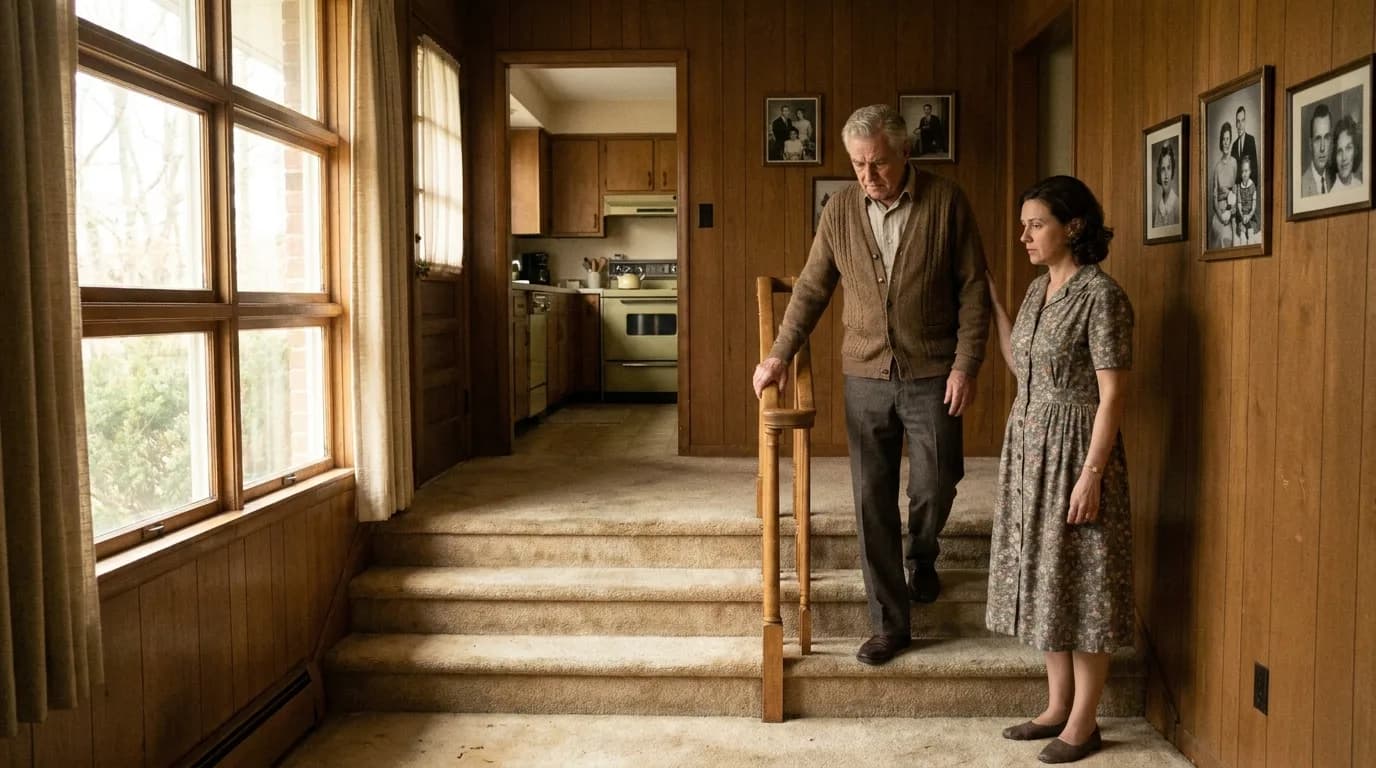
Most families call Endurance Home Care after a triggering event such as a hospital discharge, a fall, or a dementia turn, but the signs an elderly parent needs help usually show up at home months earlier.
what are the signs an elderly parent needs help at home
Look for change, not crisis: housekeeping slipping, unopened mail and unpaid bills, spoiled food or an empty fridge, weight loss, missed or muddled medications, new dents on the car, skipped showers, and a shrinking social calendar. Any one can be a bad week; several together, sustained, usually mean the home routine needs support. A professional in-home assessment turns the worry into a concrete plan.
Where the signs actually show up
Nobody watches a parent decline. What you notice is a house behaving differently. Four rooms hold most of the evidence, and all four are worth walking through on your next visit with your eyes open rather than your worry running ahead of them.
- Kitchen
Spoiled food, an empty fridge, or the same meal on repeat.
A thinning cupboard and clothes getting loose usually mean shopping and cooking have become harder than they were, not that appetite changed.
- Mail
Unopened envelopes stacked by the door and bills going unpaid.
Paperwork is often the first routine to slip, because it is the one nobody else sees until a service gets shut off.
- Medicine cabinet
Doses missed, doubled, or the same bottle refilled twice in a month.
People age 65 and older tend to take more medicines than any other age group, so the cabinet is where a change in memory tends to show first. National Institute on Aging
- Car
New dents, scrapes on the garage frame, or a car that stopped leaving the driveway.
Both directions matter. Damage says driving has got harder; a car that never moves says the errands and the visits have quietly stopped.
None of this is a diagnosis, and none of it is yours to make. It is a record you can bring to a doctor and to the rest of the family, which is a far better thing to arrive with than a feeling. If you are trying to work out what daily support at home would actually look like, start with what companion care covers.

The pill box tells you more than the phone call does.
emory changes rarely announce themselves in conversation. A parent can sound exactly like themselves on the phone and still have missed two days of medication, because a phone call is a performance and a pill box is a record.
People age 65 and older tend to take more medicines than any other age group, often because several conditions are being managed at the same time, so the cabinet is where a slipping routine shows up early. What you are looking for is not one missed dose. It is a pattern: bottles refilled too early or too late, a week of doses still sitting in the organizer on Thursday.
The National Institute on Aging points to simple reminder systems that help, tying doses to meals or bedtime and using charts, calendars, or weekly pill boxes. Those are worth setting up before anything larger. A caregiver can be part of that structure, and reminding is exactly where the line sits: an Endurance caregiver reminds a client that a medication is due, and never administers, adjusts, or manages a prescription. That belongs to the pharmacist and the physician.

A hard week, or a shrinking world
Isolation is the sign families discount most, because it arrives as a run of small, reasonable declines. The card game was cancelled. Church got harder to park at. The phone rings less. Each one has a good explanation, which is exactly why the pattern reads more clearly on paper than it does in the room.
| A hard week | A shrinking world |
|---|---|
| Skipped one week of a standing group | Stopped going, and stopped mentioning it |
| Turned down a single invitation | Turned down every invitation for a month |
| Slept badly for a few nights | Days without leaving the house, most weeks |
| Missed a haircut | Skipped showers, and the same clothes worn for days |
The right hand column is the one worth acting on, and it is worth saying why it happens. The National Institute on Aging links a higher risk of isolation in older adults to age related changes: hearing, vision and memory loss, disability, trouble getting around, and the loss of family and friends. The withdrawal is usually a consequence of those, not a preference. More on loneliness in older adults.

What to do next
Talk about the house, not about them
Most first conversations fail because they are about a person's competence. The ones that work are about the house: the mail by the door, the stairs, the driving after dark. Name what you saw rather than what you concluded, then ask what would make the week easier. Bring one sibling in beforehand so your parent is not outnumbered at their own kitchen table.
Get the nurse visit before you get a schedule
At Endurance Home Care a registered nurse comes to the home before care begins. The visit covers daily routines, safety, the medications a caregiver would remind about, and what the family wants covered, and it produces the initial care plan. Families often find the need is smaller, or differently shaped, than the argument they have been having. Knowing what to ask before that visit helps, so read how to choose a home care agency well.
Start smaller than you think you need to
Care does not have to begin at forty hours a week. Hourly Care exists for exactly this: a few hours on the days that are hardest, framed as help with the house rather than help with a person. It is the version reluctant parents agree to, and it can grow later without anyone renegotiating the whole thing. If bathing, dressing, or moving safely around the house is already part of the picture, read when hands-on personal care is the right fit. To talk it through with a person, the Client Support Line is (203) 936-6847.

Questions families ask before they are sure
What if my parent refuses help at home?
Start smaller than the argument: a few hours a week framed as help with the house, not help with them. Let your parent meet the caregiver and have a real say in the match, because personality fit is what usually wins over a reluctant parent. Keeping them home is the shared goal; say that out loud.
Who assesses what kind of help my parent needs?
At Endurance Home Care, a registered nurse conducts every client assessment in the home before care begins. The visit covers daily routines, safety, medications to be reminded of, and what the family wants covered, and it produces the initial care plan. One family described the assessment nurse as making both mom and family feel comfortable and heard.
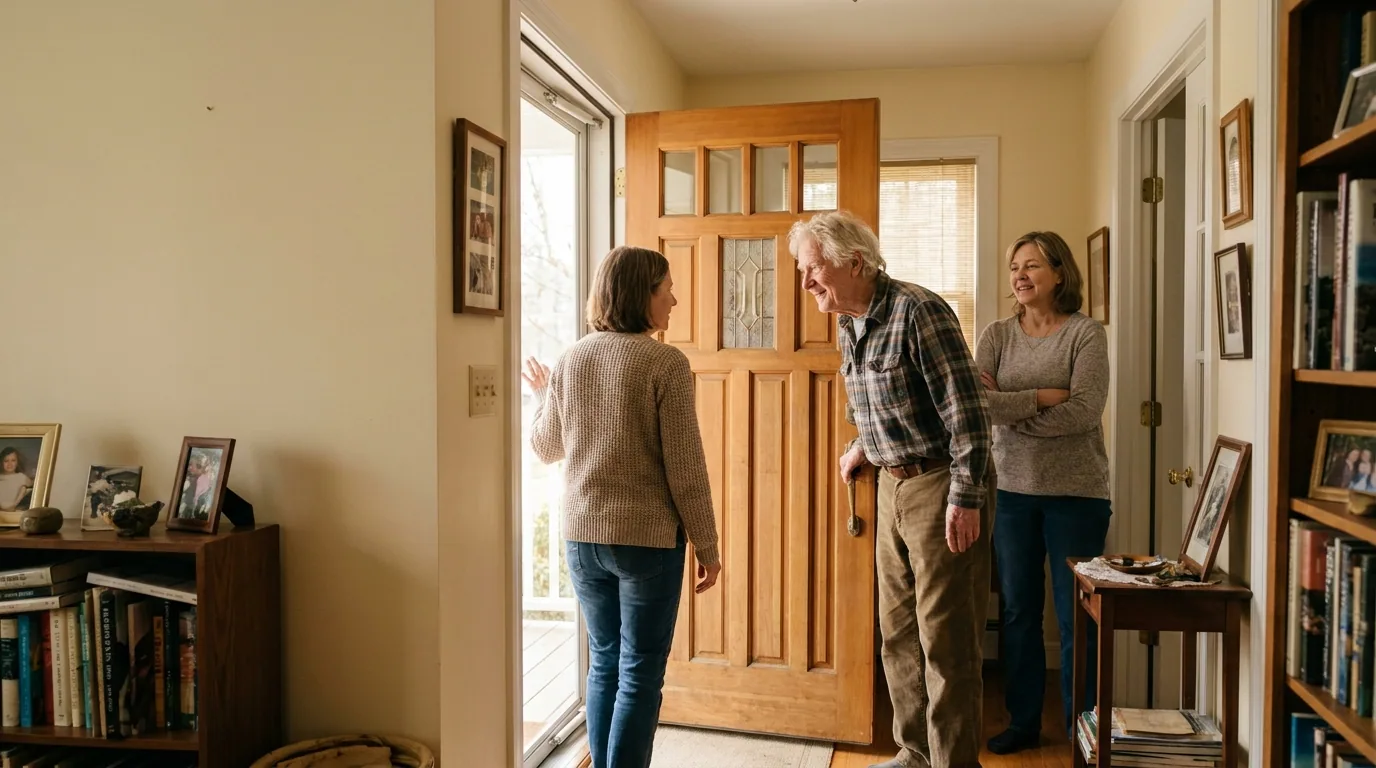
You do not need to be certain to make one phone call.
Endurance Home Care provides care at home in Connecticut and New Jersey, with companion care only in New York. Skilled nursing, home health aides and physical therapy in Connecticut are provided by Endurance Home Health. Home care serves Connecticut and New Jersey; New York service is companion care only. From an agency licensed in Connecticut and New Jersey. HCA.0002450.
Call (203) 936-6847