
Dementia vs Alzheimer's Disease
You do not need the right word to get help at home. You need to know what your parent's day looks like.
- The umbrella
- The disease
- The day it makes
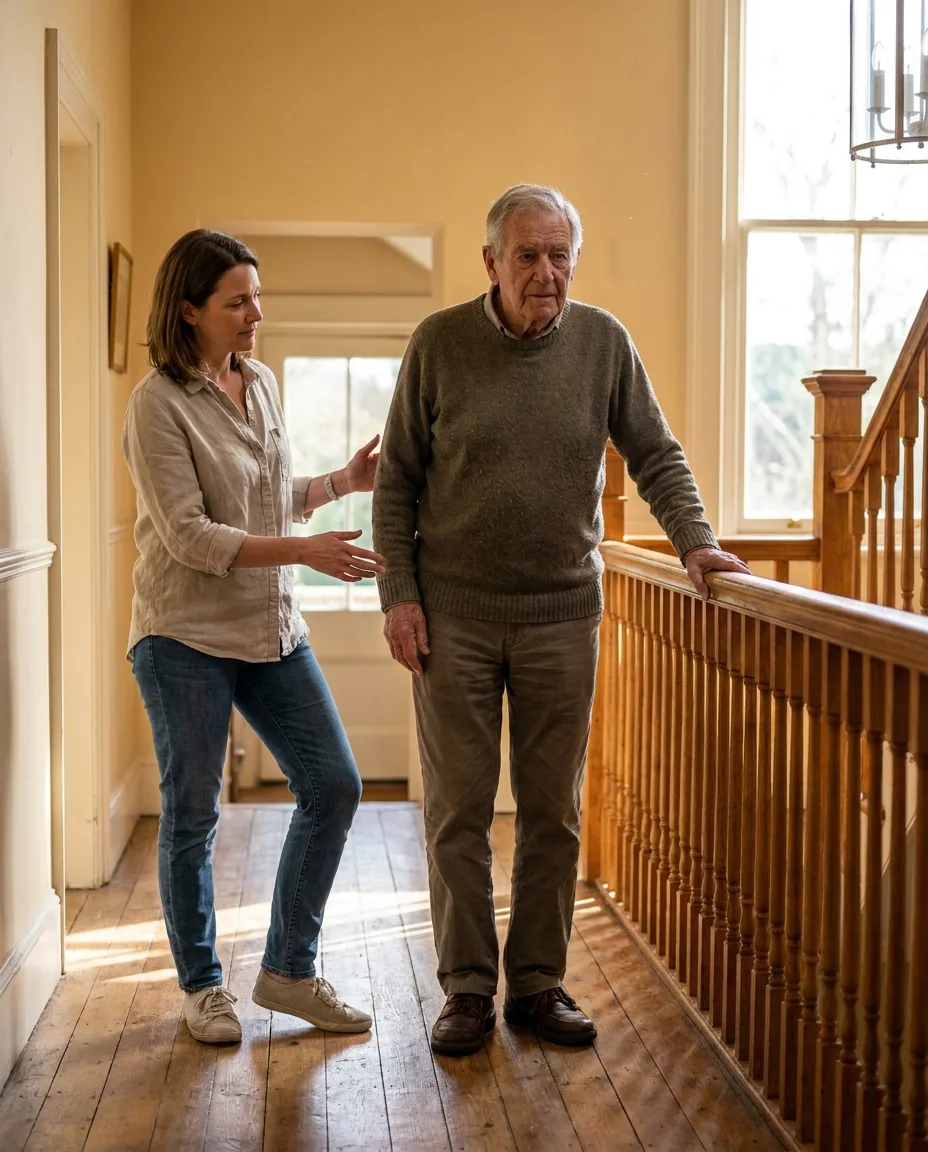
Dementia is an umbrella term describing a collection of cognitive, functional, and behavioral symptoms, while Alzheimer's disease is the most common cause underneath that umbrella, accounting for 60 to 80 percent of cases.
Families arrive at this question in one of two ways. Either a doctor has used both words in the same appointment and nobody wanted to interrupt, or the words are turning up in the reading you have been doing at eleven at night. The relationship between them is simpler than the appointment made it sound, and it holds in one pass.
Dementia is the umbrella term
Alzheimer's disease sits under it60 to 80 percent
Dementia describes a collection of symptoms: cognitive, functional, and behavioral. It names what is happening, not what is causing it. Underneath that umbrella sit several distinct diseases, and Alzheimer's disease is the most common of them, accounting for 60 to 80 percent of dementia cases according to the Alzheimer's Association. So the two words are not competing labels and they are not interchangeable either. One is the symptom picture. The other is a cause of it.
That is why a family can be told a parent has dementia and still be waiting on a second conversation about which disease is behind it. Working out the cause is a medical question, and it stays with the physician and the medical team from beginning to end. It is not something a home care agency establishes, contributes to, or needs settled before it can be useful to your household. For the wider set of questions this raises, our guide to dementia care at home is the place to start.
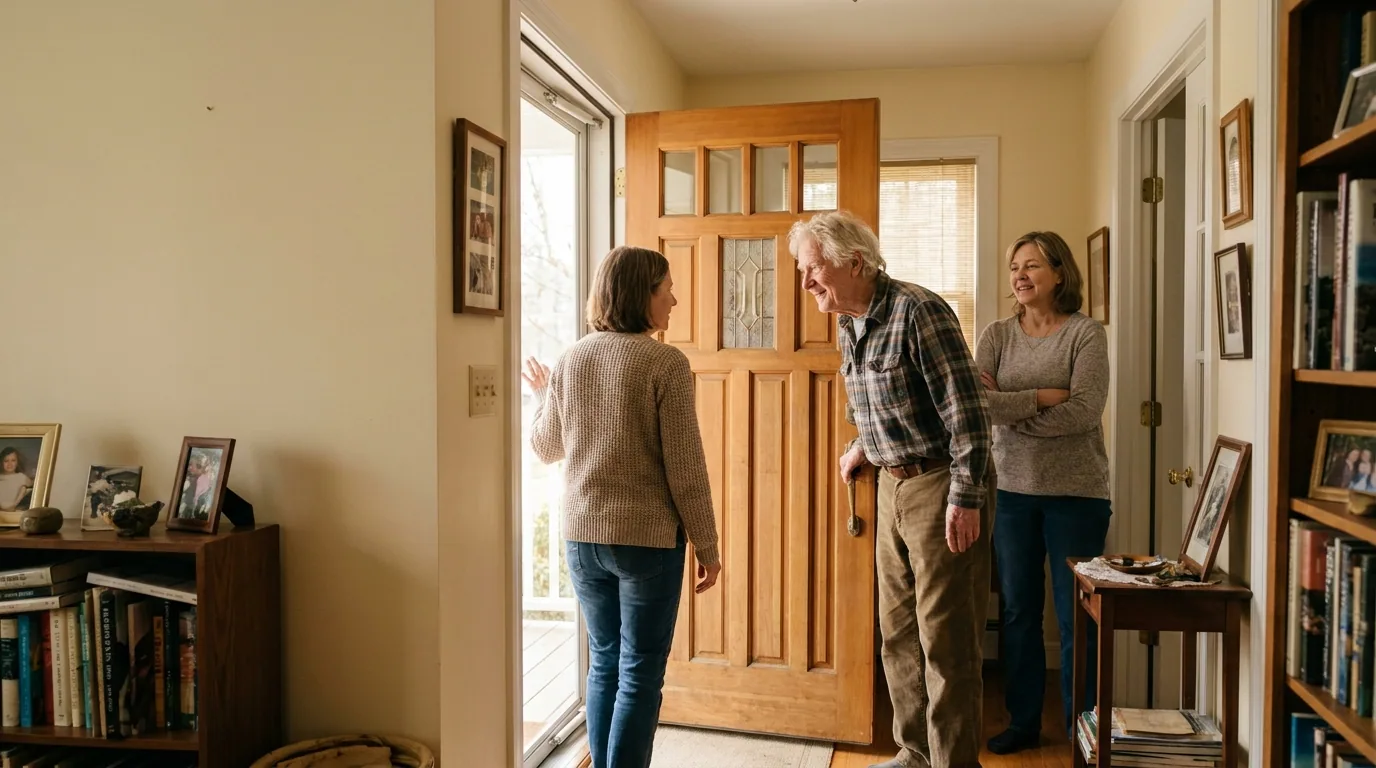
The word changes the appointment. The day is what changes the house.
Whichever word ends up on the paperwork, one thing is worth saying plainly first: this is not a normal part of aging. Getting older does not do this on its own, which is the reason a change worth noticing is worth mentioning to a doctor rather than absorbing quietly for another six months.
After that, the label stops being the useful unit. What a household actually organizes around is the shape of a day. Structure is doing the work, and activity inside that structure is recommended as part of it: something to do, at an hour it usually happens, with somebody there for it. That recommendation does not have a different version for each word.
- A day with a shape holds better than a day with a plan.
- The hardest hour is a schedule question long before it is anything else.
- Activity is not entertainment. It is the structure, doing its job.
If you are earlier than this, and still deciding whether what you are seeing is worth a call at all, the plainer starting point is early signs of dementia.
What stays the same either way
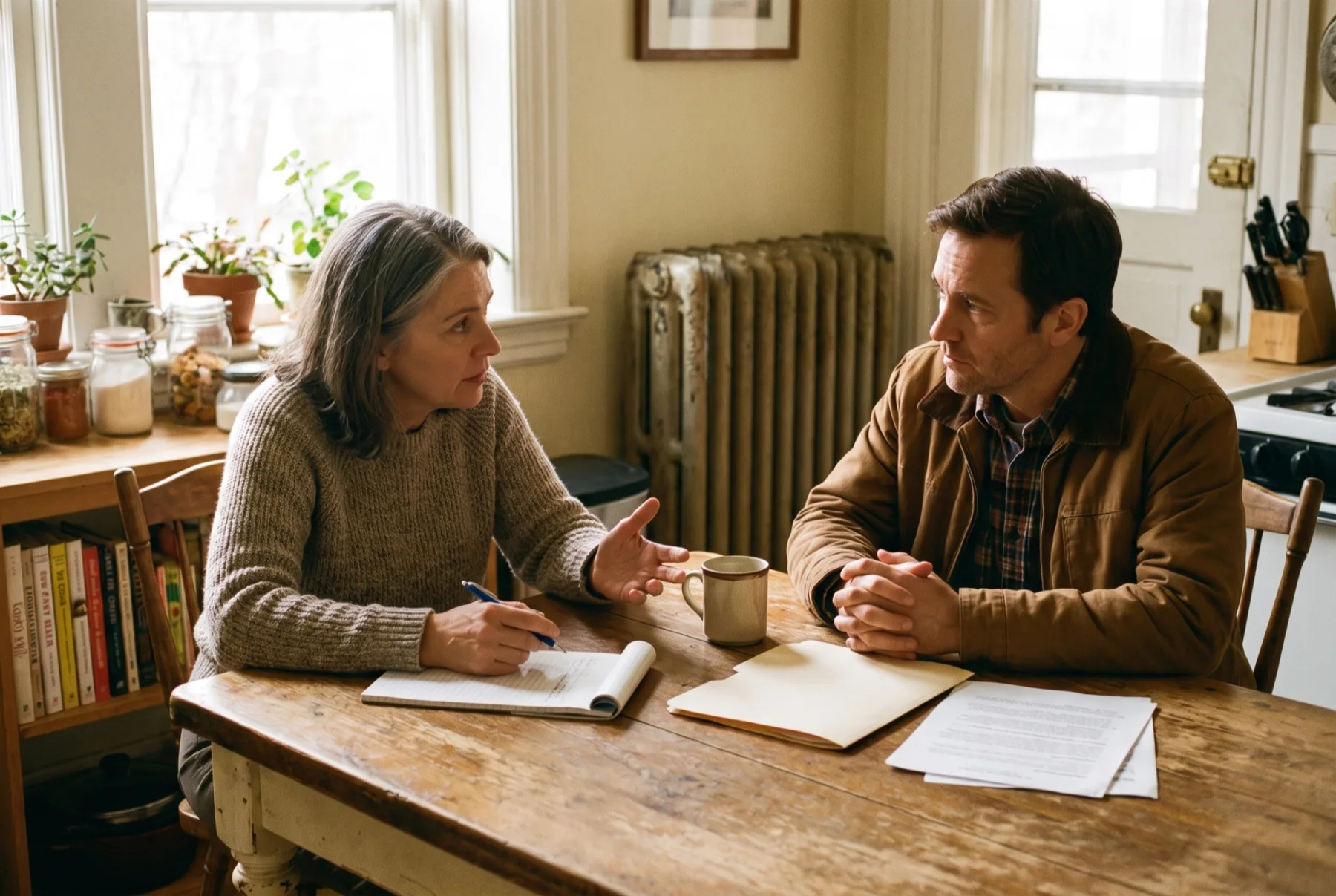
Here is the part that surprises families, and it is the reason this page exists on a home care site at all. Almost nothing on the schedule below moves depending on which word is used. Daily-living care answers the pattern of a day, and the pattern of a day is legible without a diagnosis in hand. Companionship, homemaking, meal preparation, supervision, and reminders are the whole list, and they are arranged around the hours your household finds hardest rather than around a term.
Company, first
The largest part of the week is somebody in the room. Conversation, a shared meal, an errand run together, a walk that happens because two people are going. None of that changes with the word on the paperwork, and it is the part families tell us they underestimated.
The house keeps running
Homemaking and meal preparation, so the kitchen and the laundry do not become the reason a day goes sideways.
Reminders
A caregiver reminds. Prompting at the right hour is support, not treatment, and the medication itself stays exactly where the physician left it.
Supervision
Somebody within earshot when being alone is the risk. Supervision is presence and attention, and it is the quietest line on any schedule.
Where the medical line sits
Endurance Home Care provides care at home in Connecticut and New Jersey, with companion care only in New York. Skilled nursing, home health aides and physical therapy in Connecticut are provided by Endurance Home Health. Diagnosis, staging, and treatment belong to the medical team, and a caregiver does not cross into any of them. If you want the provider-side version of this work, read about in home dementia care and what a schedule actually looks like.
What we ask you for
Not a diagnosis. The hours that are hardest, the routine worth protecting, and who your parent still likes talking to.
Questions families ask
dementia vs alzheimers
Dementia is an umbrella term describing a collection of cognitive, functional, and behavioral symptoms caused by specific diseases. Alzheimer's disease is the most common of those diseases, accounting for 60 to 80 percent of dementia cases. So a person has dementia as a set of symptoms, and Alzheimer's as one possible cause. Neither is a normal part of aging.
Can someone have dementia without Alzheimer's?
Yes. Alzheimer's accounts for 60 to 80 percent of dementia cases, which leaves other diseases responsible for the rest. Dementia names the symptom picture; the underlying cause is a medical question for the physician, not something a care agency determines.
Does the diagnosis change what home care does?
Less than families expect. Daily-living care responds to the daily pattern rather than the label: steady routine, good light, meaningful activity, safe supervision, and support with meals and errands. A caregiver's work is daily-living, so diagnosis and treatment stay with the medical team.
One lit window under a very large tree. Start with the window.
Memory support at home serves Connecticut and New Jersey; New York service is companion care only. Endurance is registered in Connecticut as HCA.0002450 and licensed in New Jersey.
Call (203) 936-6847