

Medication Reminders for Elderly Adults
We remind, we do not administer. That line is the law, and it is also the reason a family knows exactly what we did.
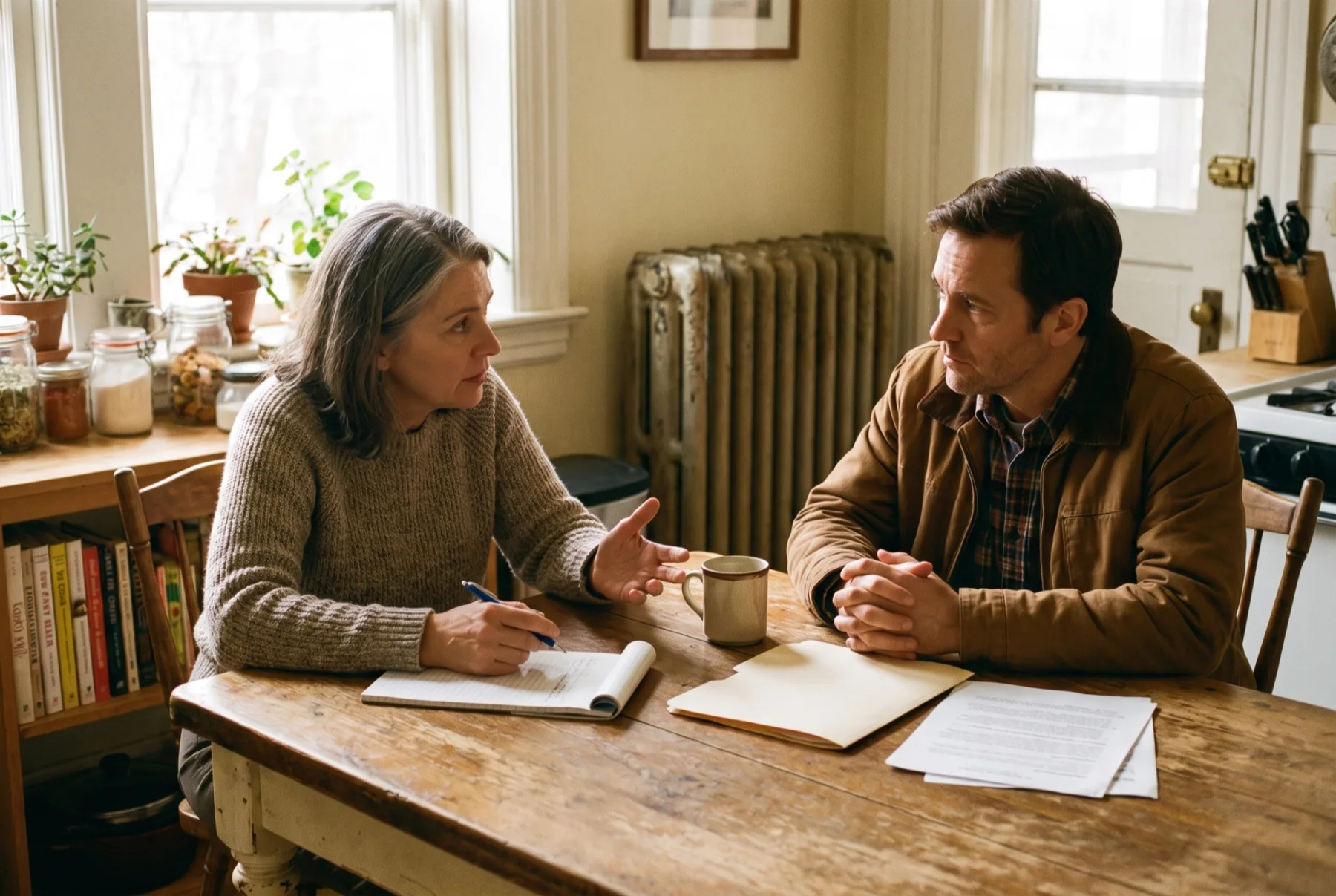
The National Institute on Aging notes that people 65 and older take more medicines than any other age group, which is why medication reminders for elderly adults are among the most requested daily-living supports at home.
What are medication reminders for elderly adults?
A medication reminder is a prompt, from a person, a chart, or a device, that a dose is due; the person still takes the medicine themselves. It is daily-living support. Endurance Home Care caregivers provide reminders as a named service, often tied to meals or bedtime, the anchor points the National Institute on Aging suggests.
Why doses slip after 65
The count is usually the whole story. People age 65 and older tend to take more medicines than any other age group, often because several conditions are being managed at the same time, and every prescription added to the pile brings its own hour with it. Two medicines are a habit. Six across three separate times of day, one of them with food and one of them on an empty stomach, is a schedule, and a schedule is a thing anybody can fall behind on.
Which is why a missed dose is less often a memory failure than families fear, and more often arithmetic. A refill arrives on a different weekday. A bottle gets moved to the second cupboard during a clean. An afternoon appointment pushes the one o'clock past the hour it would have been remembered. The evidence turns up in ordinary places: a compartment still full on Thursday, a prescription refilled two weeks early. What repairs it is almost never a conversation about competence. It is a structure somebody else is also watching. Reminders sit inside the wider question of staying home safely, laid out in the aging in place guide for families.
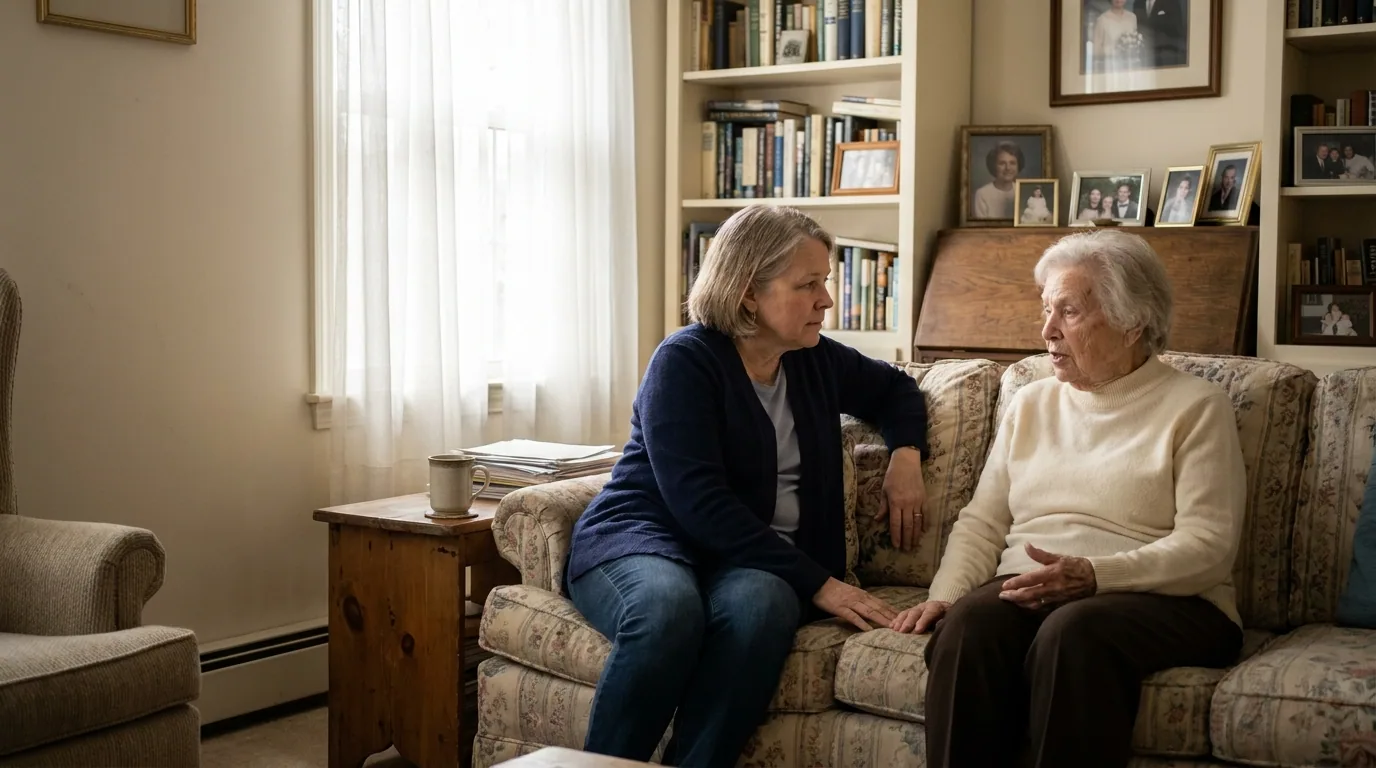
Four systems
What actually holds a routine together
The National Institute on Aging points at the plainest fixes available, and the reason they hold is that not one of them asks anybody to remember something new. Each attaches a dose to an hour the day already has, or moves the record out of a head and onto a surface anyone standing in the kitchen can read.
Meals
A dose tied to breakfast or dinner runs on a clock the house already keeps, which is why it survives a bad week better than an alarm does.
Bedtime
The evening dose is the one that slides, because the day ends at a different hour every day. Anchoring it to the last thing that always happens fixes most of that.
A chart or a calendar
Written on the wall rather than held in a head, a chart lets a daughter, a caregiver, and a prescriber all read the same week without a phone call.
A weekly pill box
The organizer is the one that turns a routine into a record. A Thursday compartment still full says something out loud.
Where a caregiver is already in the kitchen at the same hour, the prompt rides along with meal preparation visits, which is the cheapest version of this to run. Set the system up in a quiet month. Retrofitting one in the middle of a hard month is far harder work than starting it before anybody needs it, and the household that already has a chart on the wall is the household where a new prescription changes almost nothing.
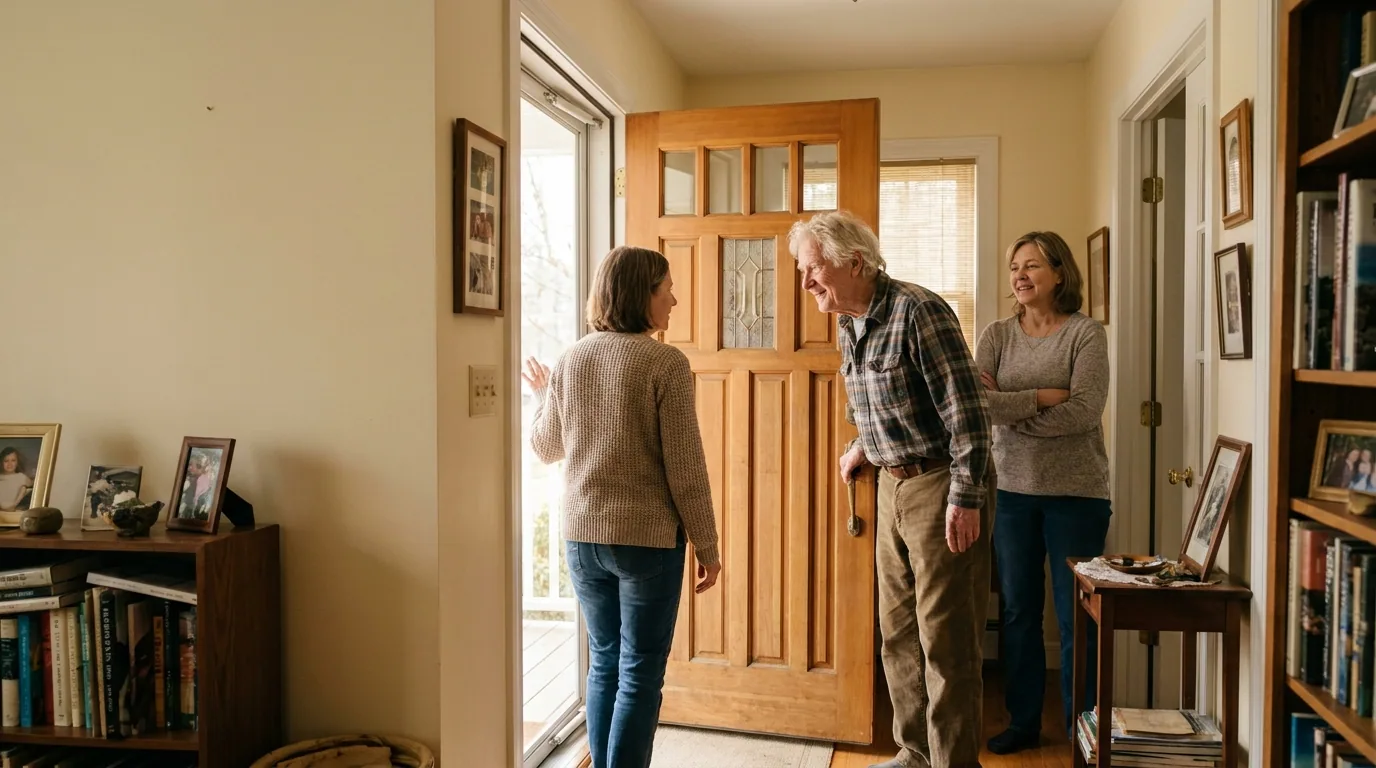
The difference between a prompt and a dose is the whole registration.
| A reminder | Administration, which we never do |
|---|---|
| Says the nine o'clock dose is due | Opens the bottle, measures, or hands over a dose |
| Repeats a verbal reminder at the scheduled hour | Decides a dose should be skipped, doubled, or changed |
| Notices a prompt did not land, and tells the office and the family the same day | Injections, wound care, or anything else on the clinical side |
| Works inside the system the household and its prescriber already set up | Writes, alters, or manages the prescription itself |
Medication Reminders is a named service here, written into the schedule rather than done as a favor off the clock, and the reason it is written that way is the registration behind it. Endurance Home Care is registered with the Connecticut as a Connecticut License, registration HCA.0002450. The line in the footer is literal: Endurance Home Care provides care at home in Connecticut and New Jersey, with companion care only in New York. Skilled nursing, home health aides and physical therapy in Connecticut are provided by Endurance Home Health. Handling and giving medicine belongs to the pharmacist, the nurse, and the physician.
Families sometimes hear that as a limit. In practice it works the other way around. Because the boundary does not move, the note that comes back to you is exact: the prompt happened at this hour, or it did not, and here is the person who logged the reminder. Reminders run on the companion schedule, which is set out in full on our medication reminders service.

Ask for the medicine review first
Before adding any system, get the list looked at by somebody qualified to look at it. The Centers for Disease Control and Prevention recommends asking a doctor or pharmacist to review all medicines, prescription and over the counter together, to identify any that might cause dizziness or sleepiness that can contribute to a fall. It is a free appointment at most pharmacy counters, it takes about twenty minutes, and it sometimes shortens the list, which makes every reminder that follows easier to keep.
And the appointments around it
Coordination of a client's medical care is one of the things Endurance states it does, which in practice means the calls, the calendar, and a caregiver who can accompany somebody to the visit rather than a family member taking a morning off work. One family writing on a public caregiver forum put it as caregivers going above and beyond, helping coordinate all of her doctors appointments, which takes a lot off the family's plate. For the households that want a second layer between visits, there are audio check-ins and alerts that notify the Endurance team so a person can respond.
Questions families ask about reminders
What is the difference between medication reminders and giving or handling medications?
Reminding is prompting; administering is handling or giving the medicine. As a Connecticut homemaker companion agency, Endurance Home Care provides reminders only: caregivers prompt, keep the routine, and flag concerns to family. The site's own line is literal: Endurance Home Care provides daily-living care at home. Skilled nursing, home health aides and physical therapy in Connecticut are provided by Endurance Home Health. Administration belongs to licensed medical providers.
Can a caregiver also help with doctor appointments?
Yes. Coordination of clients' medical care is a stated Endurance differentiator, and one family wrote that caregivers go above and beyond, helping coordinate all of her doctors appointments, which takes a lot off the family's plate. Add transportation to the visits and a CDC-recommended pharmacist review of all medicines, and the whole routine holds together.
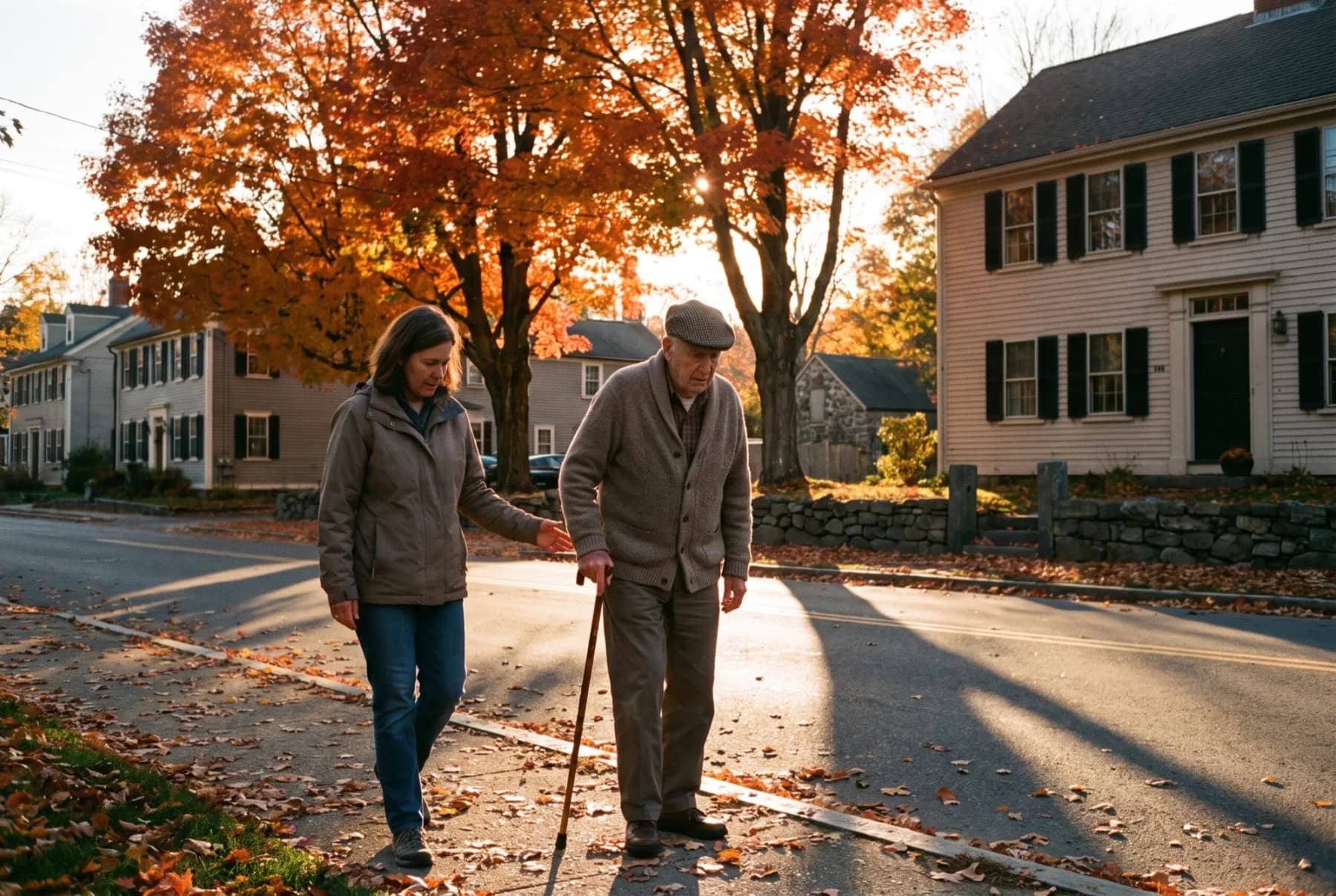
Somebody in the room at nine o'clock, and a note about it by ten.
Endurance Home Care provides care at home in Connecticut and New Jersey, with companion care only in New York. Skilled nursing, home health aides and physical therapy in Connecticut are provided by Endurance Home Health. Medication reminders serve Connecticut and New Jersey. In New York, this service is limited to verbal everyday reminders: companions never select, handle, administer, set up, manage, or verify medication or doses. Connecticut registration HCA.0002450.
Call (203) 936-6847