

Homemaking
Meal Preparation Help for Seniors
The kitchen tells you before anyone says anything.
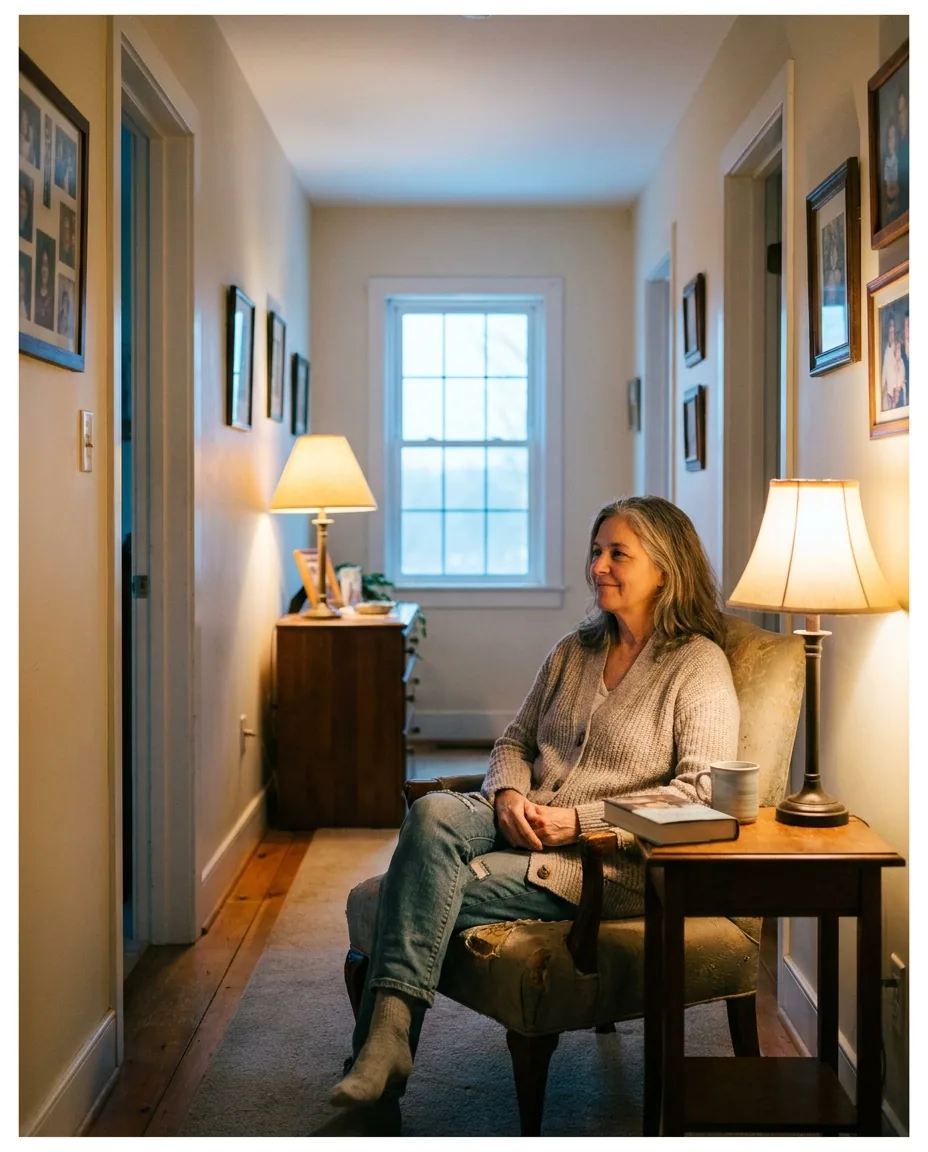
Homemaking, one of Endurance Home Care's core daily-living services, covers the request families most often make first: meal preparation help for seniors who still live at home.
What the work actually is
Six things, and they run in order. None of them is medical. A caregiver plans, shops, cooks, portions, cleans up, and keeps the hours steady, which is the part that does the quiet work. Homemaking is the household side of the day and it sits inside the full aging in place plan rather than standing on its own.
- Plans
- Meals decided around what somebody actually eats, not around a template.
- Shops
- Groceries fetched, or the trip made together when getting out is half the point.
- Cooks
- The meal made in the kitchen it belongs to, at the hour it is wanted.
- Portions
- Leftovers divided and labelled so the next day is already handled.
- Cleans up
- Counters, dishes, and the fridge, which is where the drift starts.
- Keeps the routine
- The same hours, the same person, so the day has a shape to hold onto.
The day book: MEALS on the left page, LARDER on the right.
Meals
- 08:00Breakfast, and the first look in the fridge.
- 12:30Lunch, warm, at the table rather than standing up.
- 18:00Dinner, then portions put away for tomorrow.
Larder
- Milk, dated.
- Bread, and whether it was opened.
- Fruit, and whether any of it moved.
- Freezer meals, counted.
The hours belong to the household, not to us. What matters is that the two pages face each other, so what got cooked and what is left are read at the same time.
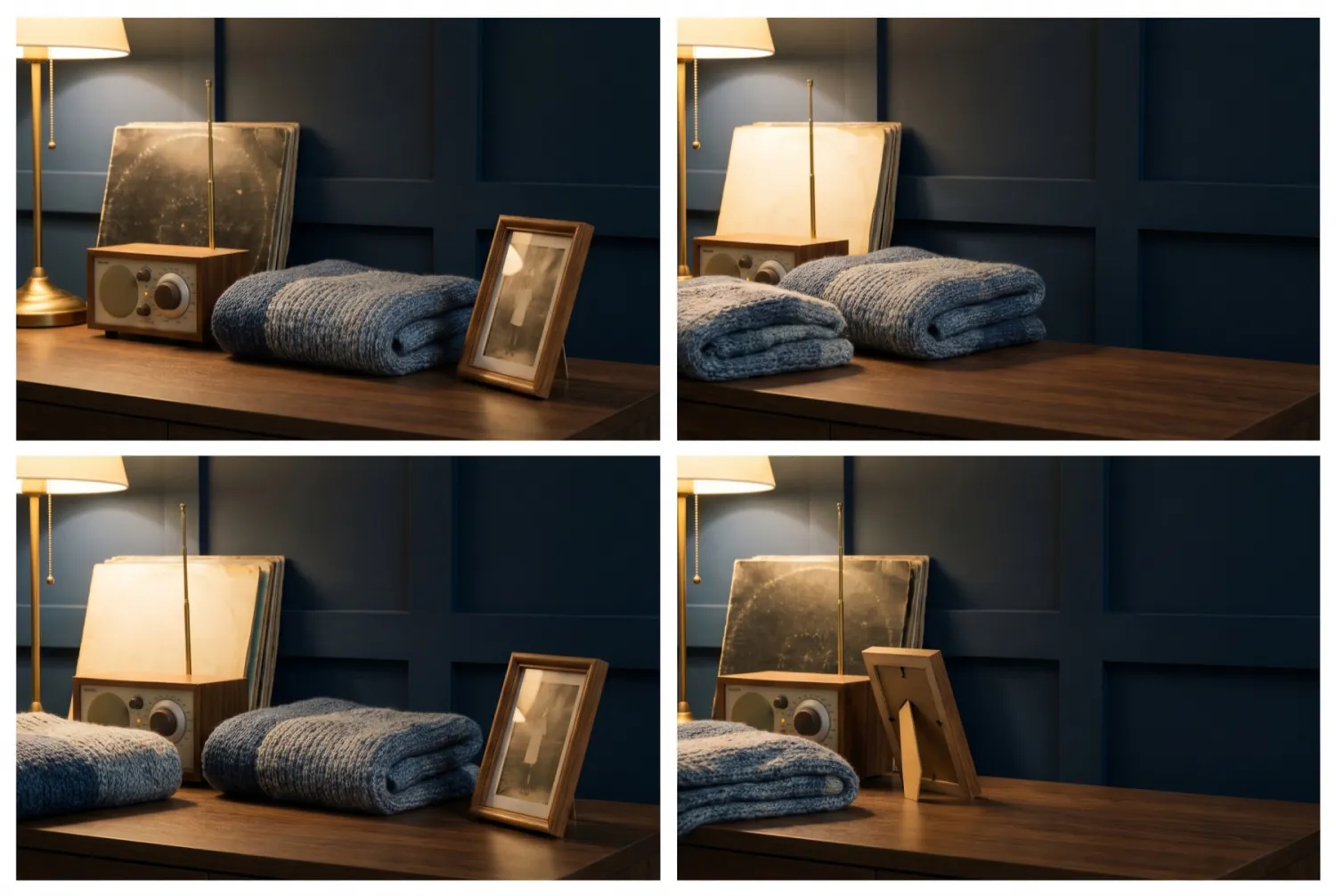
The signs the kitchen shows
The kitchen tells you before anyone says anything. Expired milk and a full freezer of untouched meals is a sentence.
Most families do not decide to get help. They open a fridge and read it. Four things turn up in that reading more than anything else, and none of them need a professional eye to notice.
The fridge is empty, or it is not
Both mean the same thing. Bare shelves say the shopping stopped. Full shelves of things going soft say the cooking did.
The same two meals, every day
Tea and toast twice a day is not a preference once it has run a month. It is the meal that asks the least of somebody.
Food bought and not cooked
Groceries arrive, then sit. The trip to the store was never the hard part; the twenty minutes at the stove were.
Meals skipped and not mentioned
Nobody volunteers this one on the phone. It shows up in a bin with nothing in it and a pan that has not been washed because it has not been used.
Variety is part of the same reading. The National Institute on Aging observes that older Americans generally do not eat enough fruit, and that adding more can have significant benefits for overall health. A caregiver cooking three times a week is not writing anyone a diet; they are the reason something other than toast is on the counter. The kitchen is also one room out of several worth walking, so take the room by room safety walk-through while you are already looking.
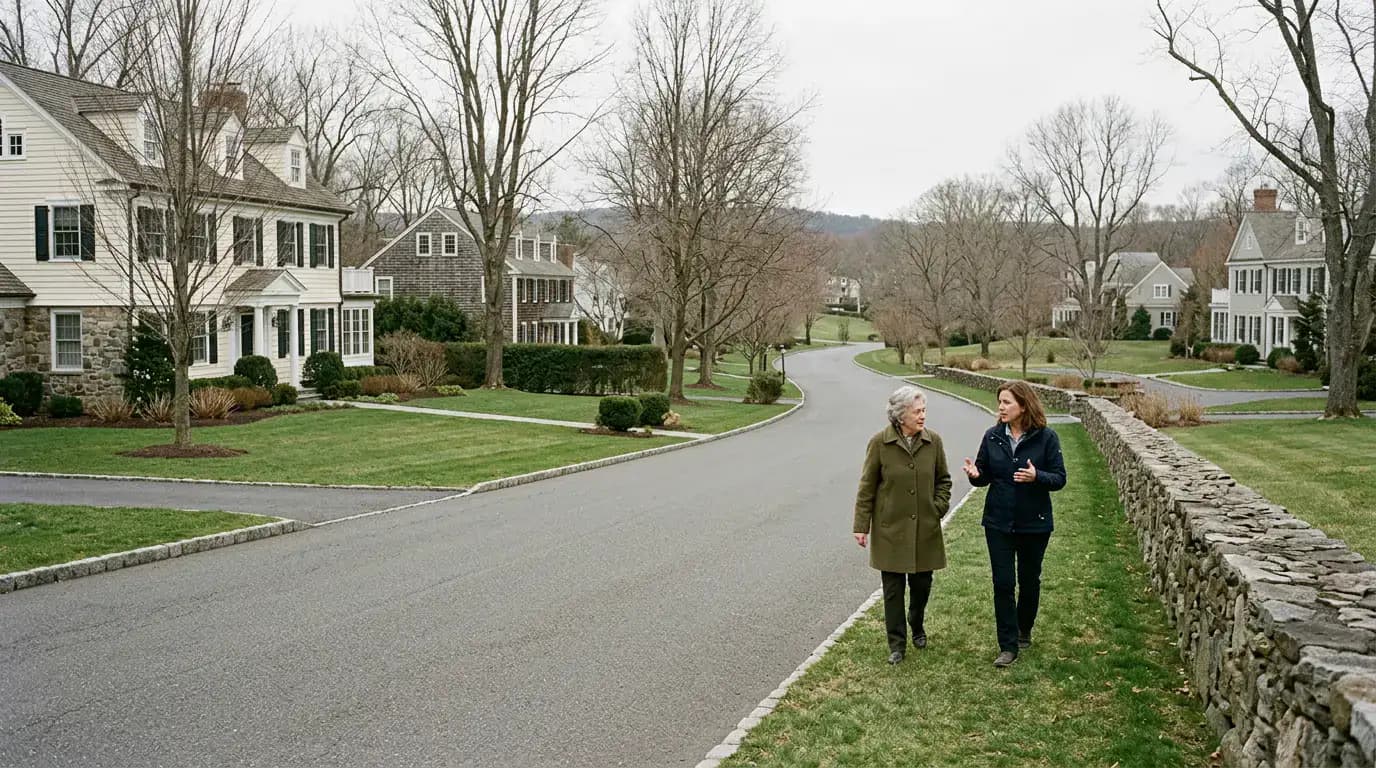
A meal is the one appointment a day keeps on its own. Everything else can be hung on it.
Two things ride along with lunch. The first is company: somebody on the other side of the table for the twenty minutes it takes, which is the part families notice afterward. One family wrote that their mom's caregiver is so happy and full of joy that it is rubbing off on their mom as well, and that was about presence rather than cooking. The second is timing. The National Institute on Aging notes that people often use meals or bedtime as reminders to take their medicine, alongside charts, calendars, and weekly pill boxes. A caregiver already in the kitchen at 12:30 can prompt the dose that belongs with the meal. Prompting is the whole of it; nobody here administers medication. If that is the part you are trying to solve, build a medication reminders routine around the meals you already have.

How the visits get scheduled
Coverage runs from an hour at a time through 24/7 and live-in, and meal preparation fits into any of the three. The question is usually not how much care, it is which meals are the ones going wrong.
Hourly visits
Around the meals
A caregiver arrives for lunch, or for dinner, cooks, sits through it, and clears up before leaving.
Longer daily shifts
The whole middle of the day
Meals sit inside a longer visit alongside the shopping, the laundry, and the company between them.
24/7 and live-in
Every meal, every day
Someone is in the house for all three, and the kitchen simply stops being a thing anyone worries about.
The next step is a call. Endurance Home Care operates under Connecticut Department of Consumer Protection Homemaker Companion Agency Registration HCA.0002450, across Fairfield County and New Haven County, Connecticut. Read our homemaking service if you want the whole household side rather than the kitchen alone, or call and describe the fridge.

Questions families ask
What does meal preparation help for seniors include?
Under homemaking, a caregiver plans meals around preferences, shops or accompanies the shopping trip, cooks, portions leftovers for later, and cleans up after. Visits can be hourly around lunch and dinner or part of longer shifts. Endurance Home Care provides this as daily-living homemaking; caregivers prepare food and keep the routine, they do not prescribe diets.
When is it time to get meal preparation help for an elderly parent?
Families usually act on what the kitchen shows: an empty or expired fridge, skipped meals, or the same tea and toast every day. The National Institute on Aging notes older Americans generally do not eat enough fruit, so variety matters too. A shared table also brings company; one family wrote their mom's caregiver is so happy and full of joy it is rubbing off on mom.
Is meal preparation part of companion care or homemaking?
At Endurance, meal preparation sits under homemaking, which covers the household work of daily life, and it blends naturally with companion care during the same visit. Both are daily-living services, available hourly through 24/7 and live-in coverage. One caregiver typically handles the meal, the tidy-up, and the company around it.
Can a caregiver use meals as medication reminder times?
Yes, and it is a recommended pattern: the National Institute on Aging notes people often tie doses to meals or bedtime, alongside charts, calendars, and weekly pill boxes. A caregiver preparing lunch can prompt the dose that goes with it. Reminding is as far as it goes; home caregivers never administer medication.
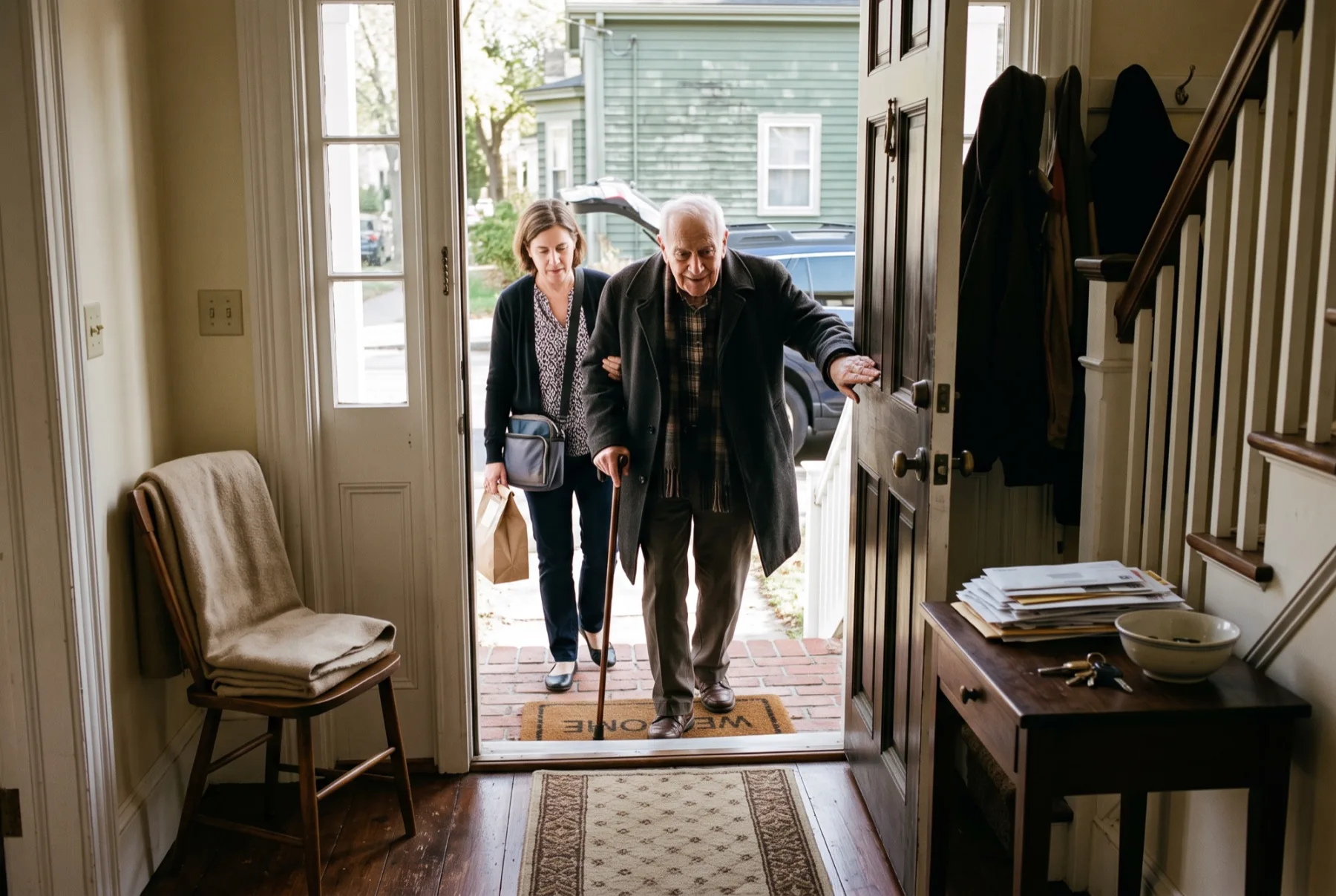
Somebody in the kitchen at the hour it matters.
Meal preparation under homemaking, across Fairfield and New Haven counties, Connecticut, from an agency licensed by the state. Endurance Home Care provides care at home in Connecticut and New Jersey, with companion care only in New York. Skilled nursing, home health aides and physical therapy in Connecticut are provided by Endurance Home Health.
Call (203) 936-6847