
Fall Prevention for Elderly Adults
One in four. That number is why we talk about handrails before we talk about anything else.
1 IN 4 EVERY YEAR
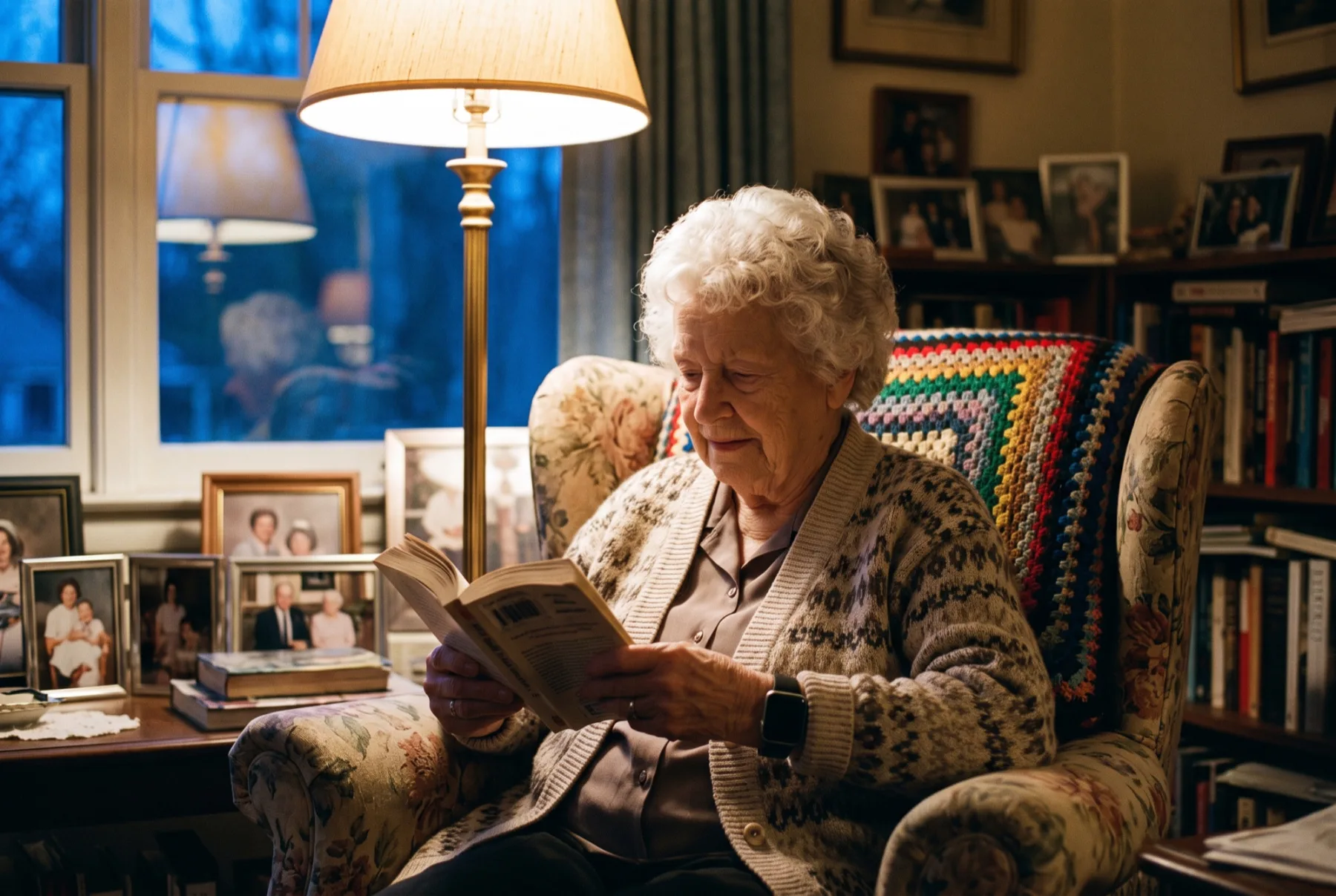
The CDC reports that over 14 million adults 65 and older, 1 in 4, fall every year in the United States, which makes fall prevention for elderly adults the highest-use safety project in any home.
1 in 4
Over 14 million adults 65 and older report falling every year in the United States. Centers for Disease Control and Prevention, falls data
Why the first fall matters more than it looks
The number families usually hear is the annual one. The number that should change what happens next is the second one: the CDC reports that falling once doubles the chance of falling again. That is the whole argument for treating this as a project rather than an accident. An accident is something you feel bad about. A doubled likelihood is something you plan around.
It is also why the response to a first fall so often runs backward. The household spends the week talking about what happened, and no part of that week goes to the stair with no rail, the rug at the bathroom door, or the hour of the evening when nobody is in the house. Those three are the ones that repeat. Fall prevention for elderly adults is unglamorous, physical work on ordinary objects, and it is the part of the full aging in place guide with the shortest distance between doing it and feeling it.
- 1 in 4 older adults reports falling each year
- Over 14 million falls reported annually
- Falling once doubles the chance of falling again
What a fall costs
The fracture is the part that ends the independence
Most falls do not break anything. The reason prevention earns real effort anyway is the share that do, and what tends to follow them.
319,000
hip fracture hospitalizations among older adults each year. Centers for Disease Control and Prevention, falls facts and statistics
The hospital
Nearly 319,000 older adults are hospitalized for a hip fracture in a year, per the CDC. It is the single outcome that turns a fall from an incident into a chapter.
The recovery
The CDC is blunt about this part: it is hard to recover from a hip fracture, and many people are not able to live on their own afterward. The fall lasts a second. That sentence describes the years after it.
The confidence
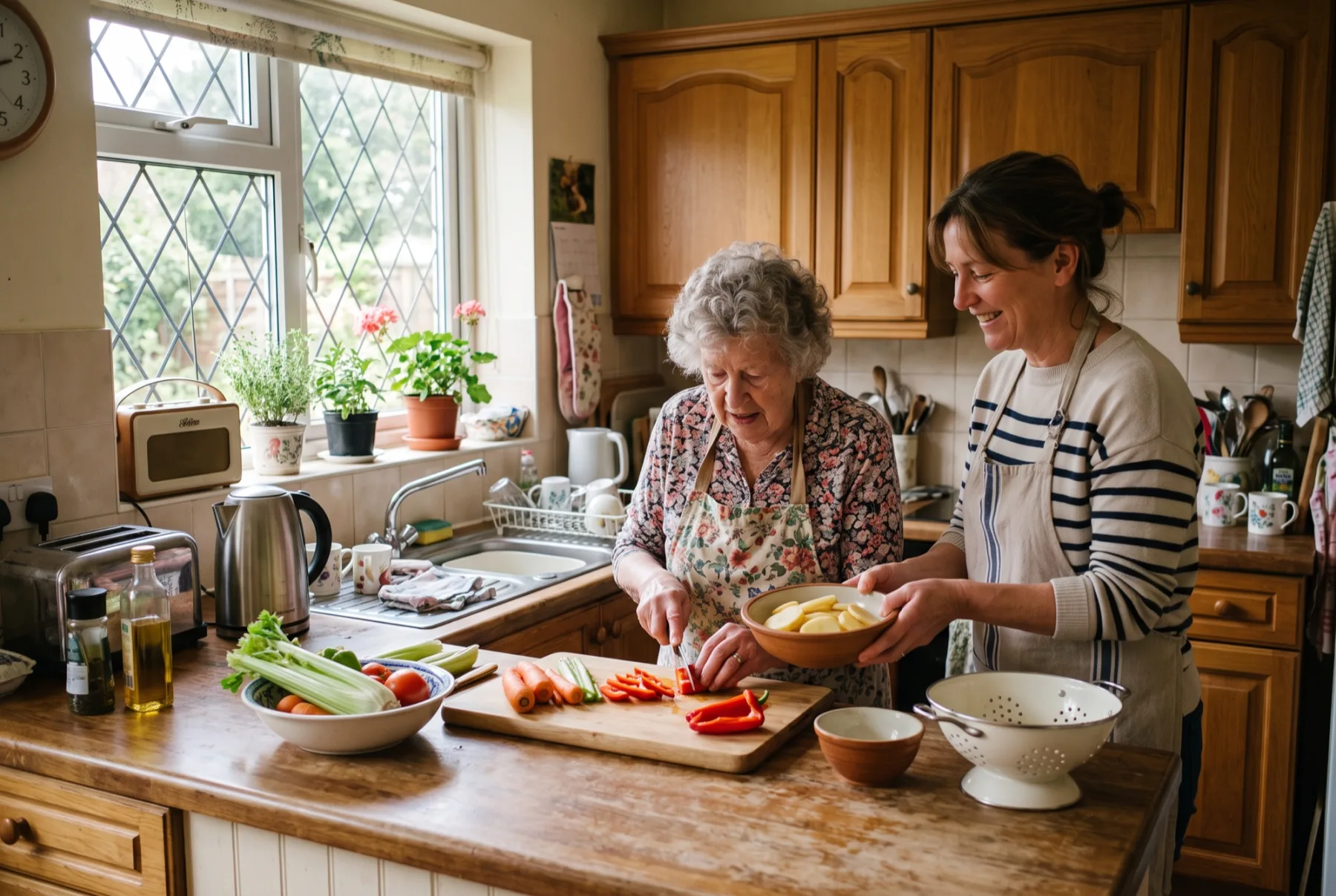
A person who has gone down once walks differently. They take the stairs less, go out less, and do less of the walking that keeps the legs strong, which is the exact thing the prevention list asks for more of.
The second fall
And falling once doubles the chance of falling again. Every week that passes without changing something in the house is a week spent on the higher number.
The four things that actually lower the odds
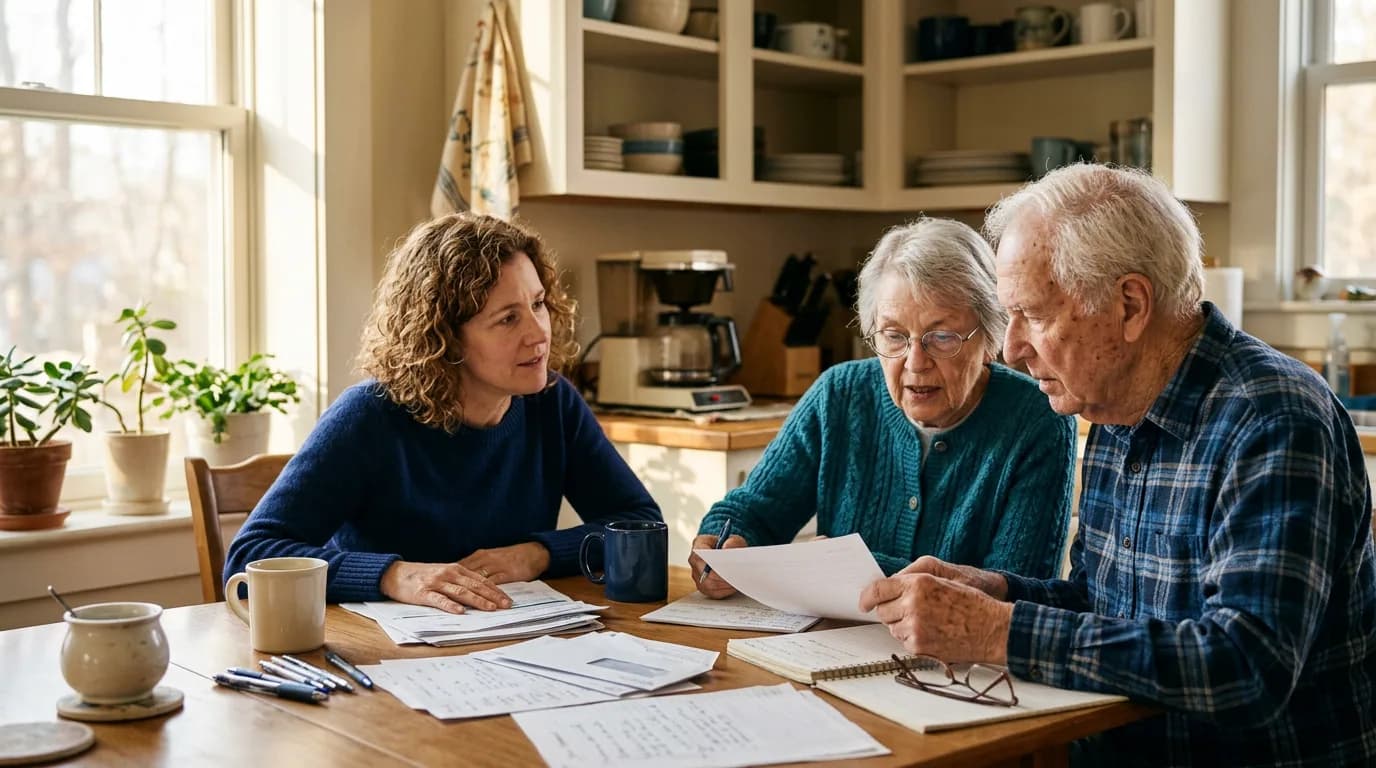
There is no long list. There is a short one, run properly, over and over. Take them in this order, because the first is the only one that makes the person stronger and the other three make the house safer for the person they already are.
Make the legs stronger and the balance better
This is the one item the CDC puts first. It recommends exercises that make the legs stronger and improve balance, and names Tai Chi as a good example of the kind of exercise it means. Classes are the usual sticking point, because getting to one is harder than doing one. A caregiver can drive and stay for the hour.
Take the house room by room
Loose rugs, cords across a walking line, a hall that is dark between two lit rooms, a chair that is too low to stand up out of. None of it is dramatic and all of it is on the floor of a route somebody walks a dozen times a day. Work it as a list rather than a feeling, with room by room home safety checklist.
Fix the bathroom before anything else
It is the smallest room in the house, the only one with a wet floor, and the one people use alone at night. Grab bars beside the toilet and inside the tub, a bath seat, a rail on the way in, and a light that comes on without anyone finding a switch. Start with bathroom safety fixes.
Keep the medicine routine steady
Reviewing a medicine list belongs to the prescriber and the pharmacist, and it is worth asking them directly which doses cause dizziness or drowsiness. What a household can hold up on its own is the routine: the right hour, every day, and somebody who notices when a dose was missed. That is a medication reminder routine, and a caregiver reminds. A caregiver never administers.
Endurance Home Care provides care at home in Connecticut and New Jersey, with companion care only in New York. Skilled nursing, home health aides and physical therapy in Connecticut are provided by Endurance Home Health. Nothing on this page is medical advice, and none of it replaces a conversation with a doctor or a pharmacist about balance, vision, or medication.
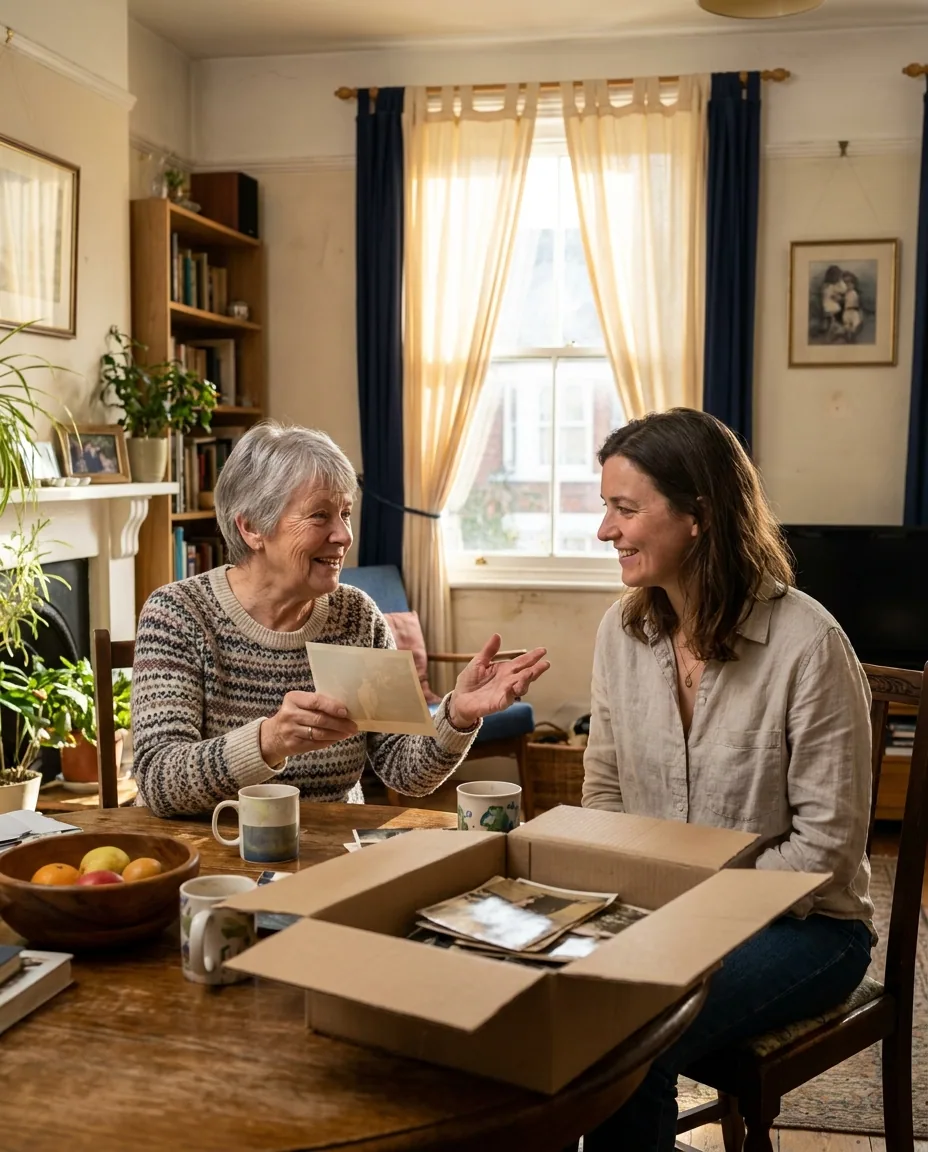
The risky hours are the ordinary ones. Getting up, getting in, getting to bed.
Everything above is work a household does to itself: exercise, hardware, lighting, a routine. The part families cannot install is a second person in the room at the moments the list cannot reach. Safety supervision is a named Endurance Home Care service for exactly that, and it is not complicated work. It is somebody there for the transfer out of the chair, a hand on the stairs, the walk to the mailbox, the trip to the bathroom at two in the morning.
Coverage runs from a few hours a week through 24 hours a day, live-in, transitional care after a hospital stay, and support inside a facility, so the amount of company can follow the risk instead of being chosen once and left. Households often start hourly after a first fall and step up only if the odds change. If the concern is the whole day rather than a few hours of it, that is 24/7 safety supervision.
What it is not is medical. Caregivers support, supervise, accompany, remind, and coordinate. They do not diagnose, treat, assess, or administer anything, and they do not act on any of the CDC figures on this page. The optional audio layer a family adds works the same way: it alerts the Endurance team so a person can respond.
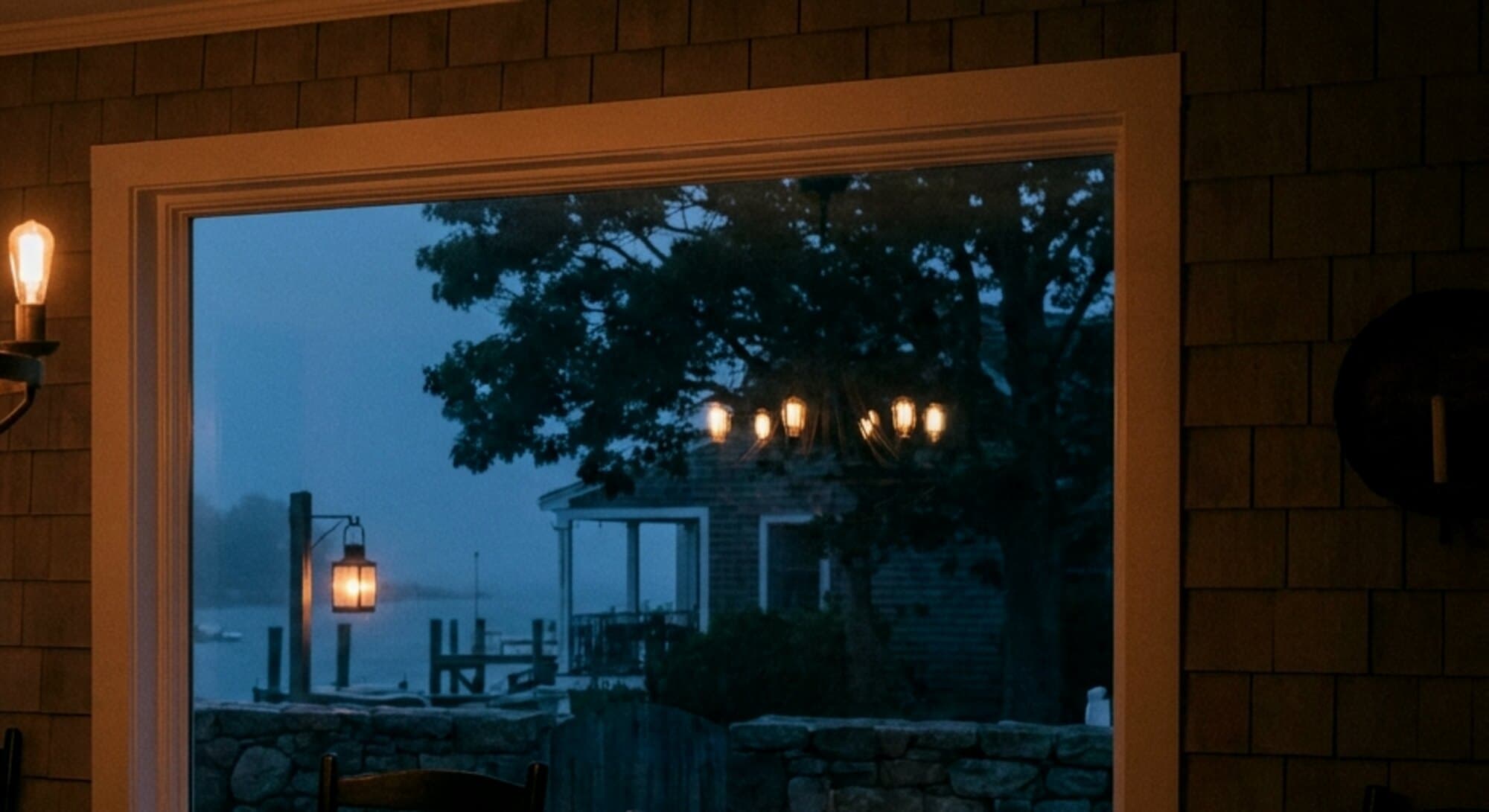
In daylight the run of wall reads flat and every stone in it looks the same. This is how a house looks to the people who live in it.
At blue hour one lamp finds the fourth stone and the rest of the run goes dark. One in four, and you only see which one when the light is right.
Connecticut License HCA.0002450 · New Jersey License HP0435100 · Connecticut DPH License 9915786 (Endurance Home Health). Safety supervision and hands-on support serve Connecticut and New Jersey; New York service is companion care only. Client support (203) 936-6847.
Questions families ask
How common are falls in elderly adults?
Over 14 million adults 65 and older, 1 in 4, report falling every year in the United States, per the CDC, and falling once doubles the chance of falling again. Prevention is a project with known parts: leg strength and balance exercise, a safer home, and steady support during the risky moments of the day.
What exercises help prevent falls?
The CDC recommends exercises that make the legs stronger and improve balance, and names Tai Chi as a good example. Pair movement with the home side: railings, grab bars, and lighting. A companion caregiver can accompany walks and classes; Endurance caregivers support routines and remind, they never prescribe or treat.
Why is a hip fracture so serious for seniors?
Nearly 319,000 older adults are hospitalized for hip fractures each year, per the CDC, and recovery is hard; many people are not able to live on their own afterward. That is why prevention earns real effort, and why families often add safety supervision at home after a first fall rather than waiting for a second.
Can a caregiver help prevent falls at home?
A home caregiver adds steady hands and eyes: safety supervision, help on stairs, clear walkways, accompaniment on walks, and medication reminders so dizziness-causing doses are not missed. Endurance Home Care staffs from hourly shifts to 24/7 and live-in coverage. One family wrote they were matched right away with an aide of unwavering patience.
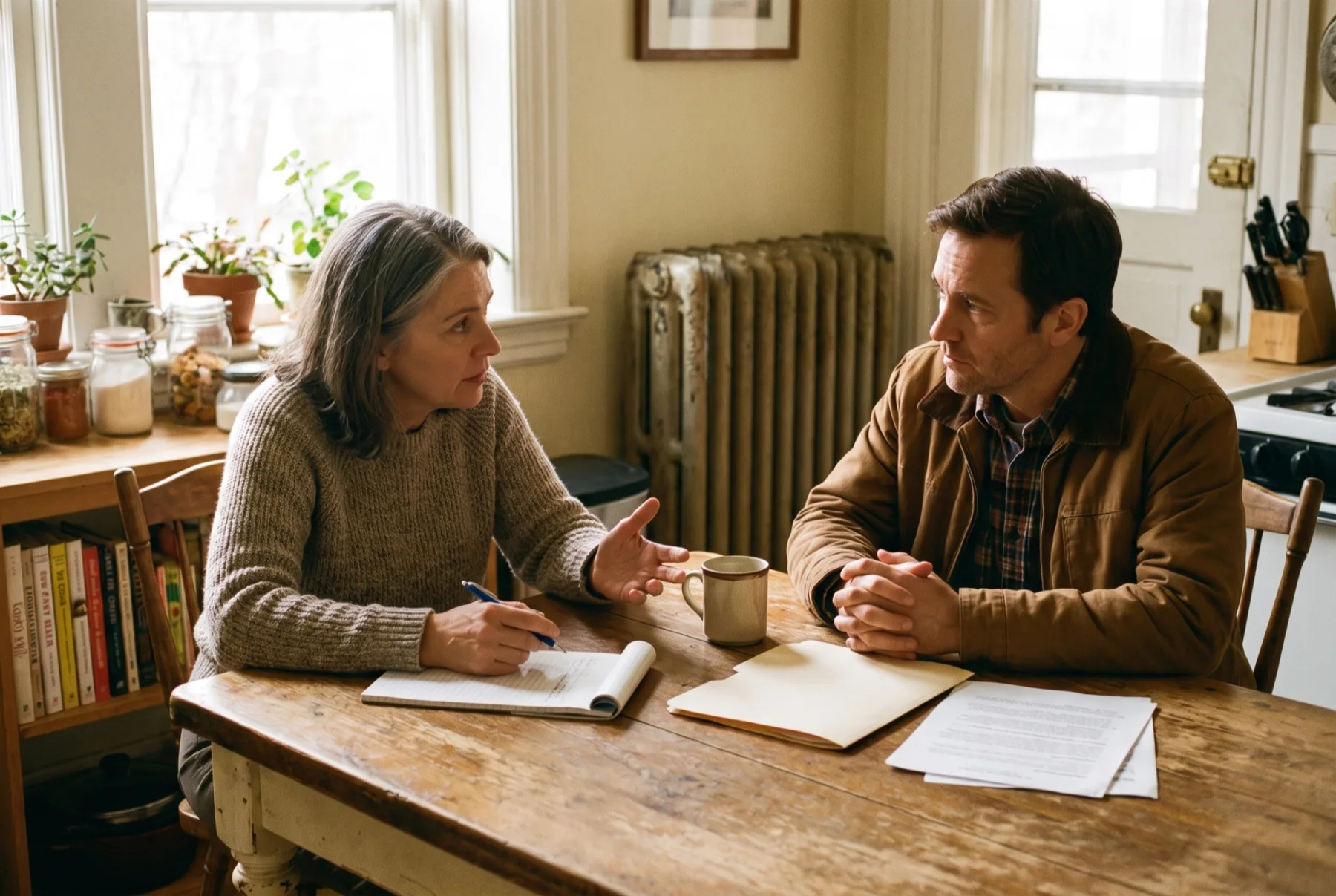
Handrails first. Then the hours nobody is in the house.
daily-living safety supervision across Fairfield and New Haven counties, Connecticut, from an agency licensed by the state.