
Bathroom Safety for Elderly Adults
Four out of five bathroom injuries are falls, and most of them happen in the two places a grab bar would have been.
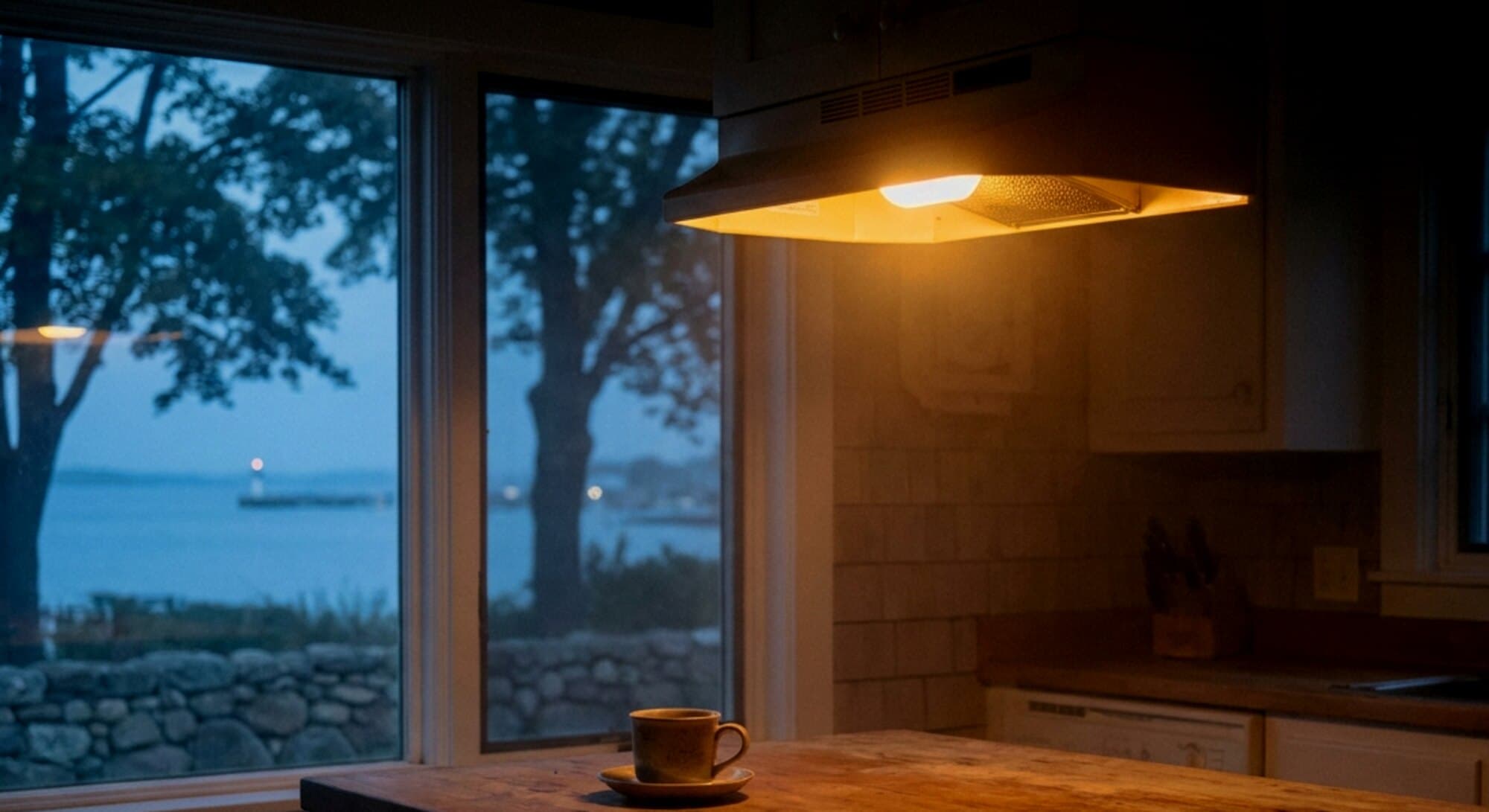
The last light on in the house is the upstairs bath, and the sash is fogged from the inside.
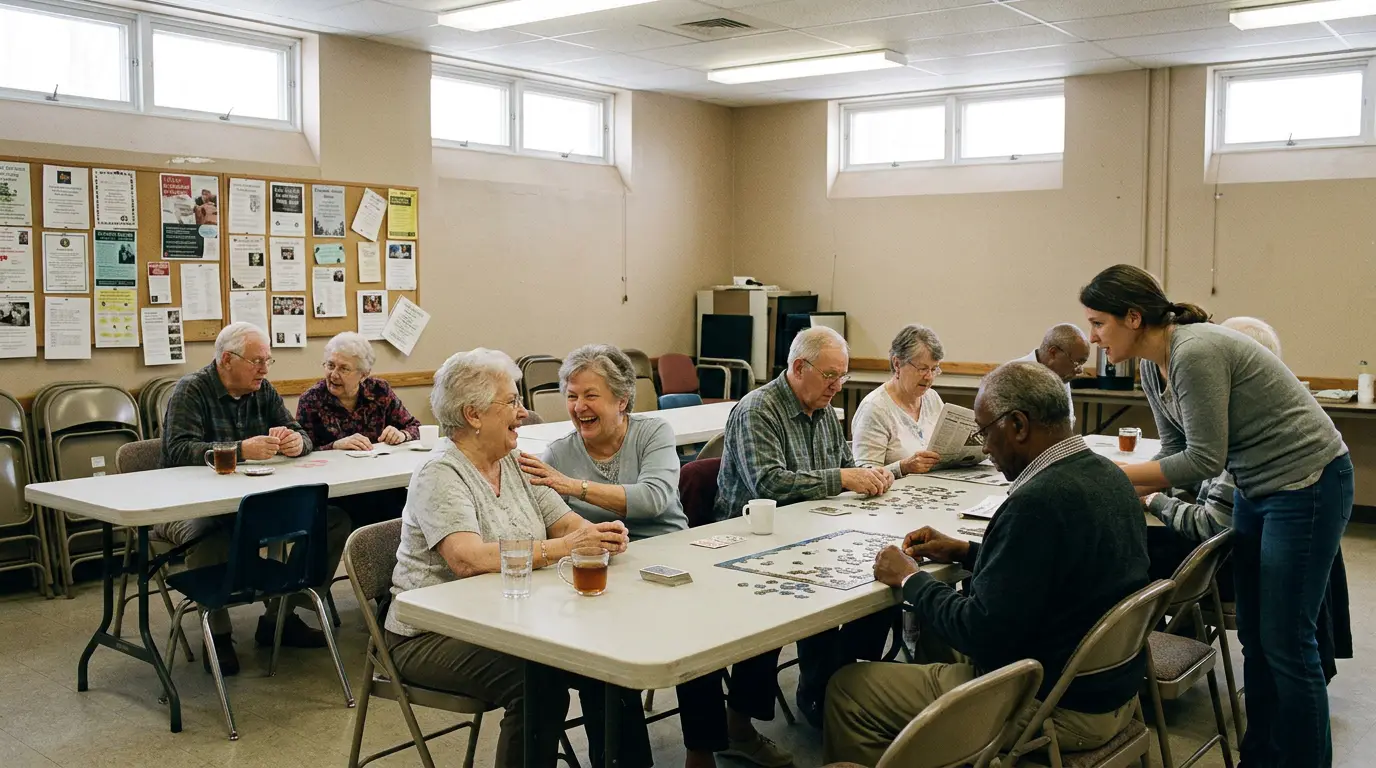
The CDC's analysis of an estimated 234,094 emergency-department bathroom injuries found 81.1% were caused by falls, with the highest rates in or around the tub, shower, and toilet, exactly where bathroom safety for elderly adults starts.
Where the injuries actually happen
The useful part of that CDC count is not the total. It is the map. Two fixtures carry most of the risk, the rate rises with every decade, and the room stays the same size the whole time. Everything below is what the CDC published about those two fixtures, which is a narrower and more actionable list than a general tour of household hazards. For the wider room by room version, start with the aging in place playbook, and for the part of the problem that follows a person out of the bathroom, see fall prevention beyond the bathroom.
In or around the tub or shower
65.8Injuries per 100,000 people, the highest rate in the CDC analysis. It is the wettest surface in the house, it is entered by stepping over something, and it is usually done alone with the door shut.
On or near the toilet
22.5Per 100,000, the second highest rate. Sitting down and standing up are both harder than they look once knees, hips, or blood pressure have opinions about them.
The rate climbs with age
The CDC reported that injury rates increased with age across the whole dataset. Nothing about the bathroom changes over those decades. The margin for a stumble does.
Which is why families tend to notice this room late, usually after a near miss that got mentioned in passing a week later.
Four out of five are falls
81.1% of the injuries in that year were caused by falls, which is the reason this page is about footing, handholds, and light rather than about the room in general.
Source: CDC, nonfatal bathroom injuries treated in US emergency departments
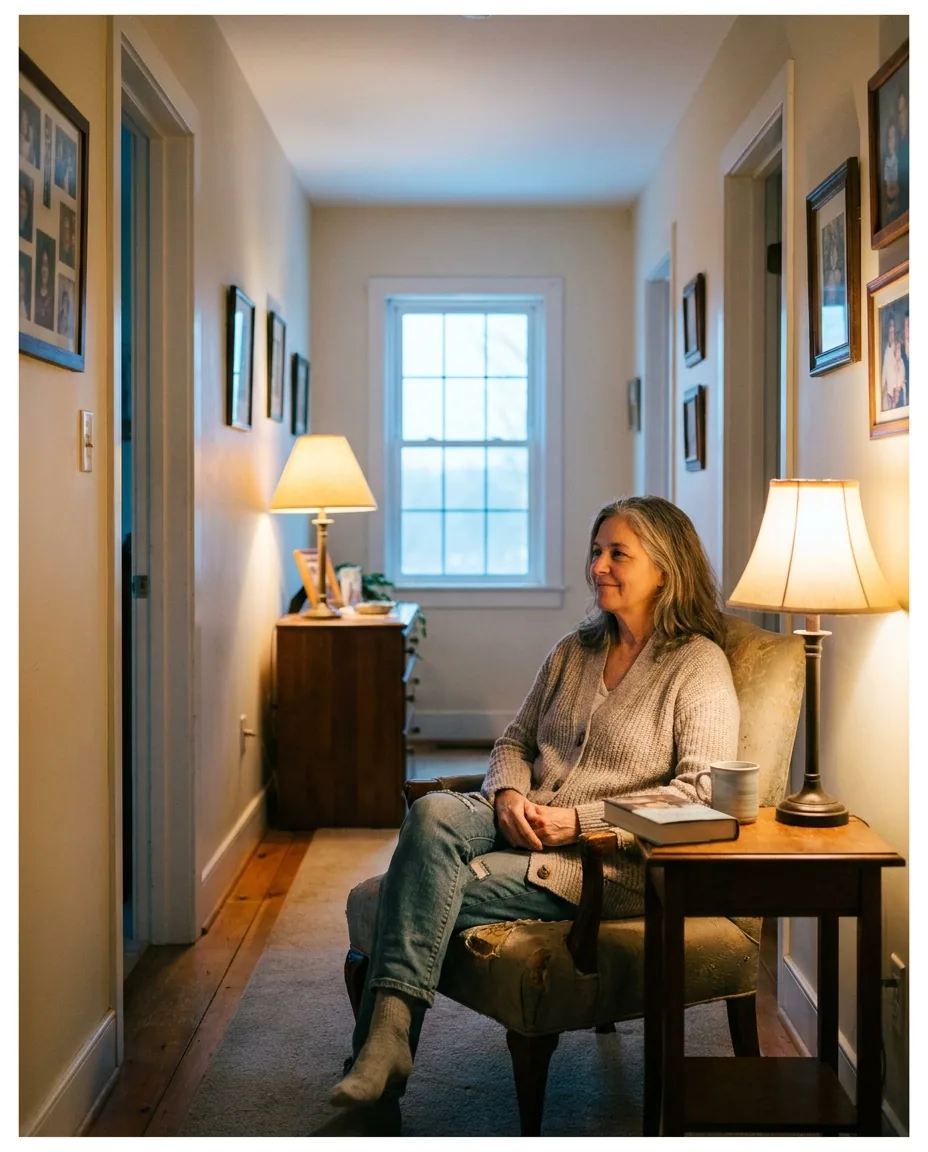
The brass stair rail in that house is rubbed bright in three spots. Hands go where hands go. The bathroom is the one room nobody gave them anything to hold.
- Inside the tub or shower
- Outside the tub or shower
- Next to the toilet
That list is not ours. The CDC concluded from the same injury data that installing grab bars inside and outside the tub or shower and next to toilets could decrease the risk of injury for everyone living in the house, and its fall prevention guidance repeats the identical three placements. It is a short list because the evidence behind it is narrow, and a short list is the one that actually gets done on a Saturday.
After the bars, two things worth an afternoon. Footing, which means a mat that grips inside the tub and a mat outside it that will not slide when a wet foot lands on it. And light, which means a switch reachable from the door and something low and always on for the trip at two in the morning, when almost nobody turns the overhead on. Towel bars and the sink are not handholds and were never built to be. Whatever gets held has to be anchored into framing.
If the list is getting longer than a Saturday, it belongs with the rest of the whole-home modifications.
Sources: CDC bathroom injury analysis and CDC fall prevention guidance.
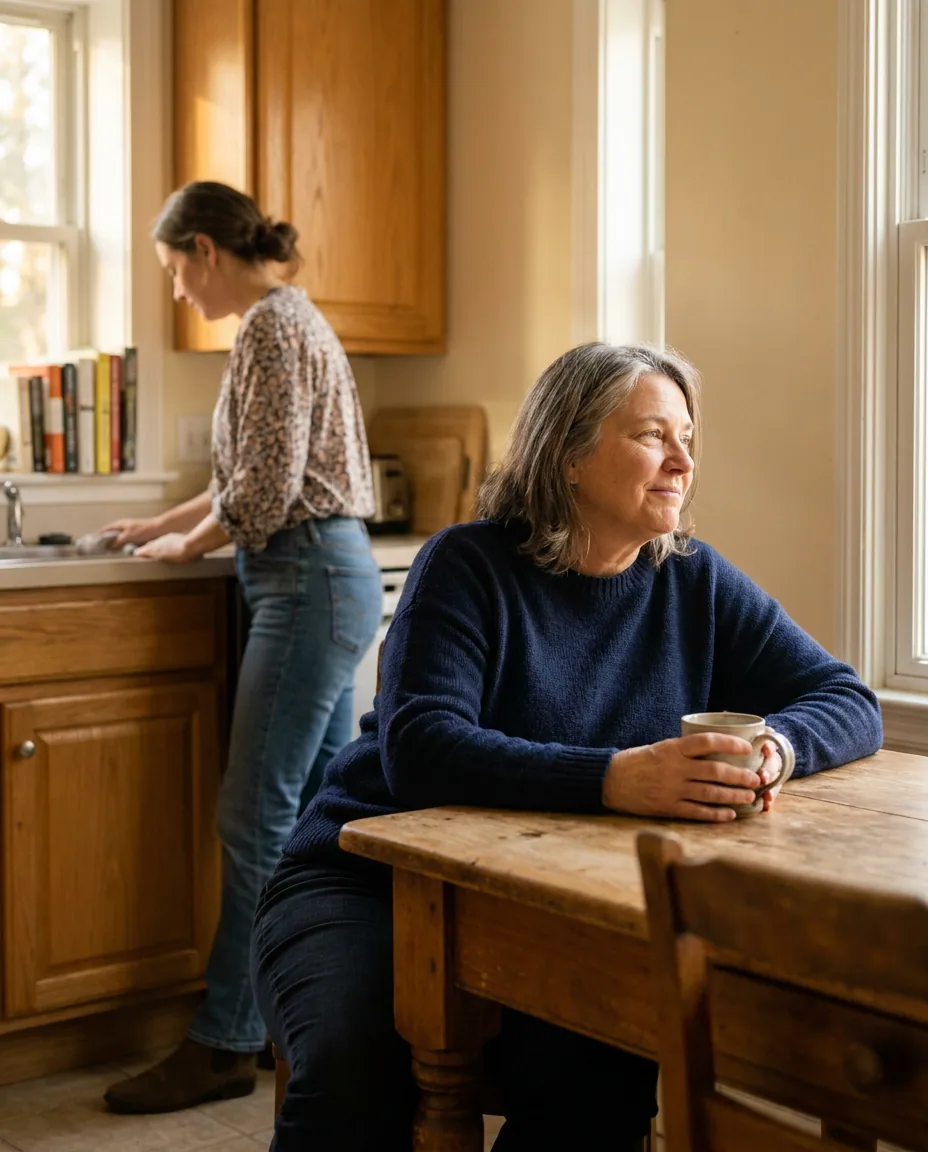
Dorothy provided personal care for my mom for 3 years before she passed from complications with her Alzheimers. Dorothy was extremely skilled.
From a family’s public Google review of Endurance Home Care
Hardware fixes the wall. It does not fix the ten minutes. Bathing is the part of the day most people would rather do alone and, for exactly the same reason, the part they are least likely to ask for help with until something has already happened. Personal Care is one of the named services Endurance Home Care provides, and bathing assistance is core to it: being there before the step over the tub wall, steadying the turn, having the towel already in hand.
It is daily-living throughout. A caregiver supports, accompanies, reminds, and supervises. A caregiver does not treat, diagnose, or administer anything, and nothing about this help is a substitute for a conversation with a doctor. What it does is put a trained person in the room at the moment the injury data flags hardest, which is the one moment a grab bar cannot cover by itself.
Done properly it is a routine rather than an event, run at the same hour by the same person, which is the version people accept. That is what bathing and personal care help is scheduled to be.
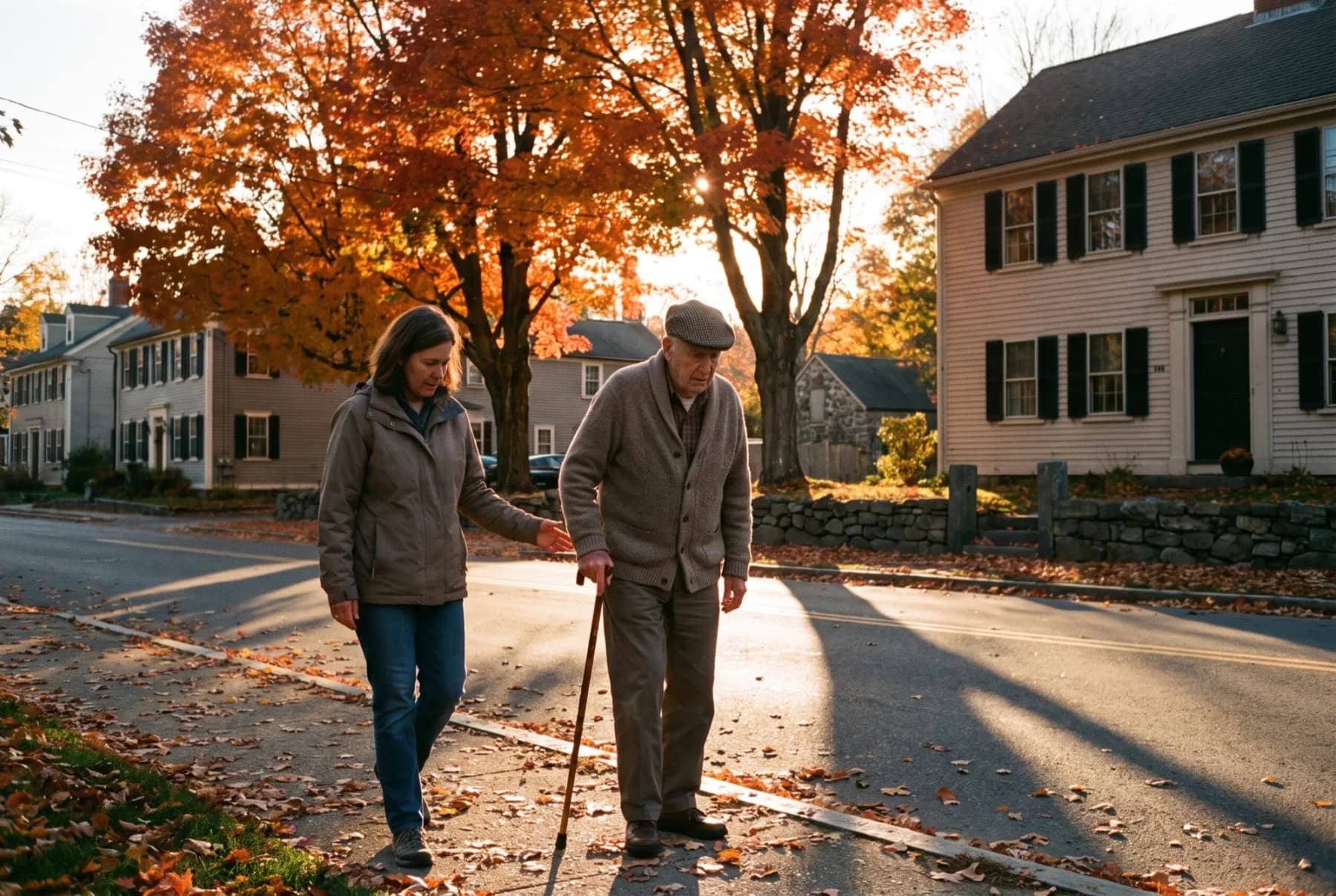
Then somebody walks the rest of the house
Every Endurance client assessment is conducted by a registered nurse, in the home, before care starts. The bathroom is where that walk-through tends to slow down, for the reasons this page has spent its length on, but it does not stop there. The route to the bathroom at two in the morning matters as much as the room at the end of it: which floors are slick, which lamp is reachable from the bed, where the rail stops, which door sticks.
What comes out of it is a plain description of the house as it is and a schedule that fits the hours the household actually finds hard. Not a renovation plan. Not a diagnosis.
The room
Tub, shower, toilet, and whether there is anything anchored to hold.
The route
Bed to bathroom in the dark, and every surface and threshold on the way.
The light
What is reachable from the doorway, and what stays on overnight.
The hours
Which parts of the day are hardest, and who is in the house for them.
Endurance Home Care holds Connecticut Department of Consumer Protection Homemaker Companion Agency Registration HCA.0002450. Personal care is available in Connecticut and New Jersey; New York service is companion care only. Endurance Home Care provides care at home in Connecticut and New Jersey, with companion care only in New York. Skilled nursing, home health aides and physical therapy in Connecticut are provided by Endurance Home Health.
Questions families ask
What makes bathrooms so dangerous for elderly adults?
CDC analysis counted an estimated 234,094 emergency-department bathroom injuries in a single year; 81.1% were caused by falls, and injury rates increased with age. The highest rates were for injuries in or around the tub or shower and on or near the toilet, hard and wet surfaces met at the least steady moments of the day.
What is the single best bathroom safety fix?
Grab bars. The CDC's bathroom injury analysis concluded that installing grab bars inside and outside the tub or shower and next to toilets could decrease injury risk for all household residents, and its fall prevention guidance repeats the same placement list. For hands-on help at the riskiest moments, personal care covers bathing assistance.
Should someone be present when an elderly parent bathes?
When steadiness or memory is in question, yes. Bathing assistance is core daily-living personal care, delivered with dignity and routine. One Endurance family's review described Dorothy, who provided personal care for their mother with Alzheimer's for three years, as extremely skilled. A trained caregiver at bath time covers the spot the CDC's injury data flags most.
Three bars on a wall, and somebody in the house for the ten minutes.
daily-living personal care across Fairfield and New Haven counties, Connecticut, from an agency holding Connecticut registration HCA.0002450.