
Aging in place
Aging in Place Home Modifications
Most houses were never built for the person now living in them, and most of the fix is carpentry, not medicine.
The share of American homes the Census Bureau counts as ready for an older body. The other nine in ten are a job list.
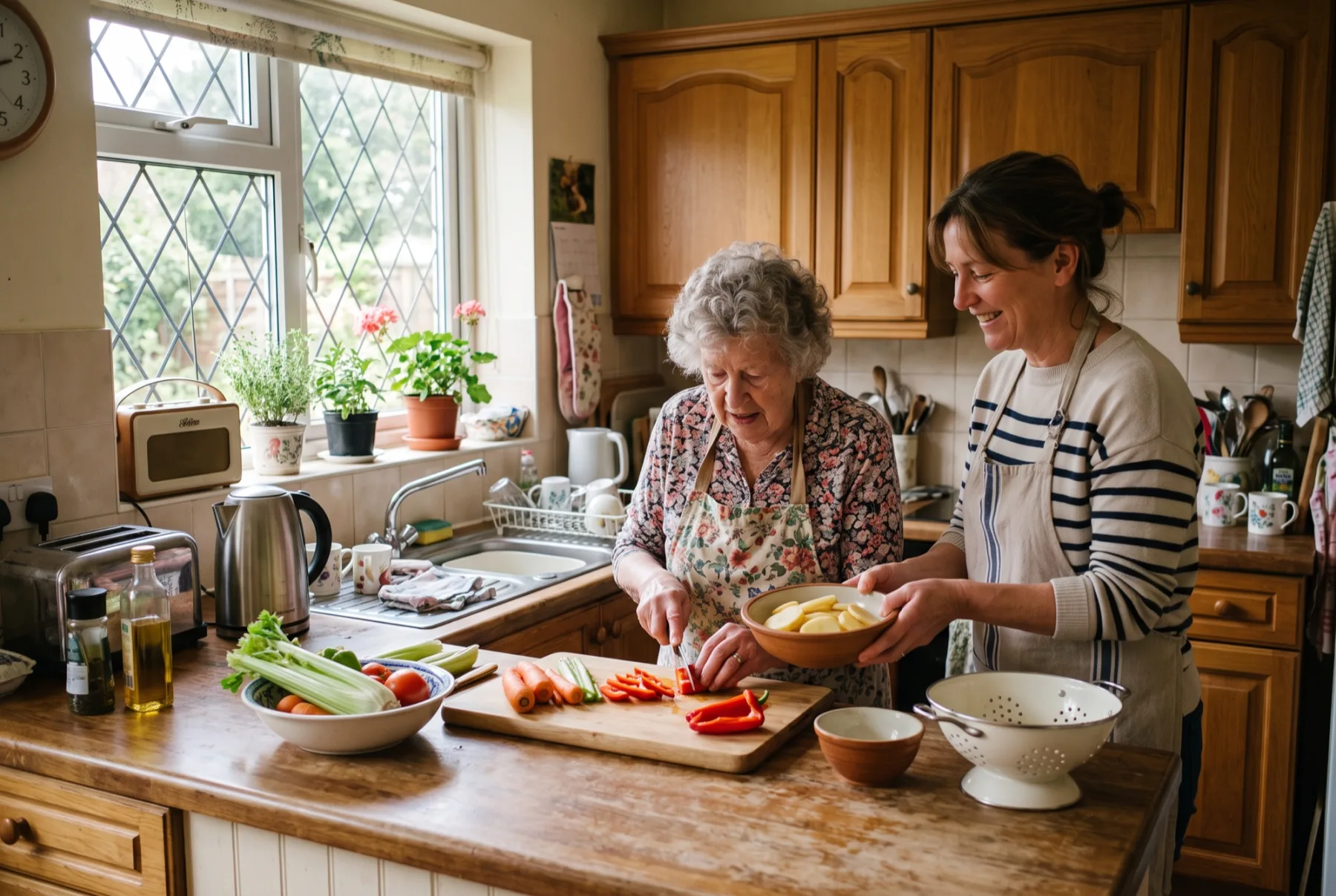
The US Census Bureau counts only 10% of America's roughly 115 million housing units as aging-ready, which is why aging in place home modifications sit at the top of most families' planning lists.
Why nearly every house needs a job list
A carpenter walking a house does not start with what is wrong with it. He starts with who is going to live in it, then writes down the difference. That difference is enormous across the whole country. The Census Bureau counts only 10% of the nation's 115 million housing units as ready to accommodate older populations. Nine houses in ten were built for a body that could take the front step without thinking about it.
Families are not surprised by this. In AARP's 2024 Home and Community Preferences Survey, over half of adults 50 and older, 51%, say they need a home that supports independent aging, and most of them can already name the work. So the useful question is not whether the house needs anything. It is which lines go on the sheet first, and which of them are bought once rather than paid for every month.
That is what the rest of this page is. If you want the wider picture of staying put rather than the job list version, start with the aging in place pillar guide.
- Grab bars
- 72%
- Entryway enhancements
- 71%
- Kitchen upgrades
- 39%
AARP 2024 Home and Community Preferences Survey.
Four lines carry most of the job book.
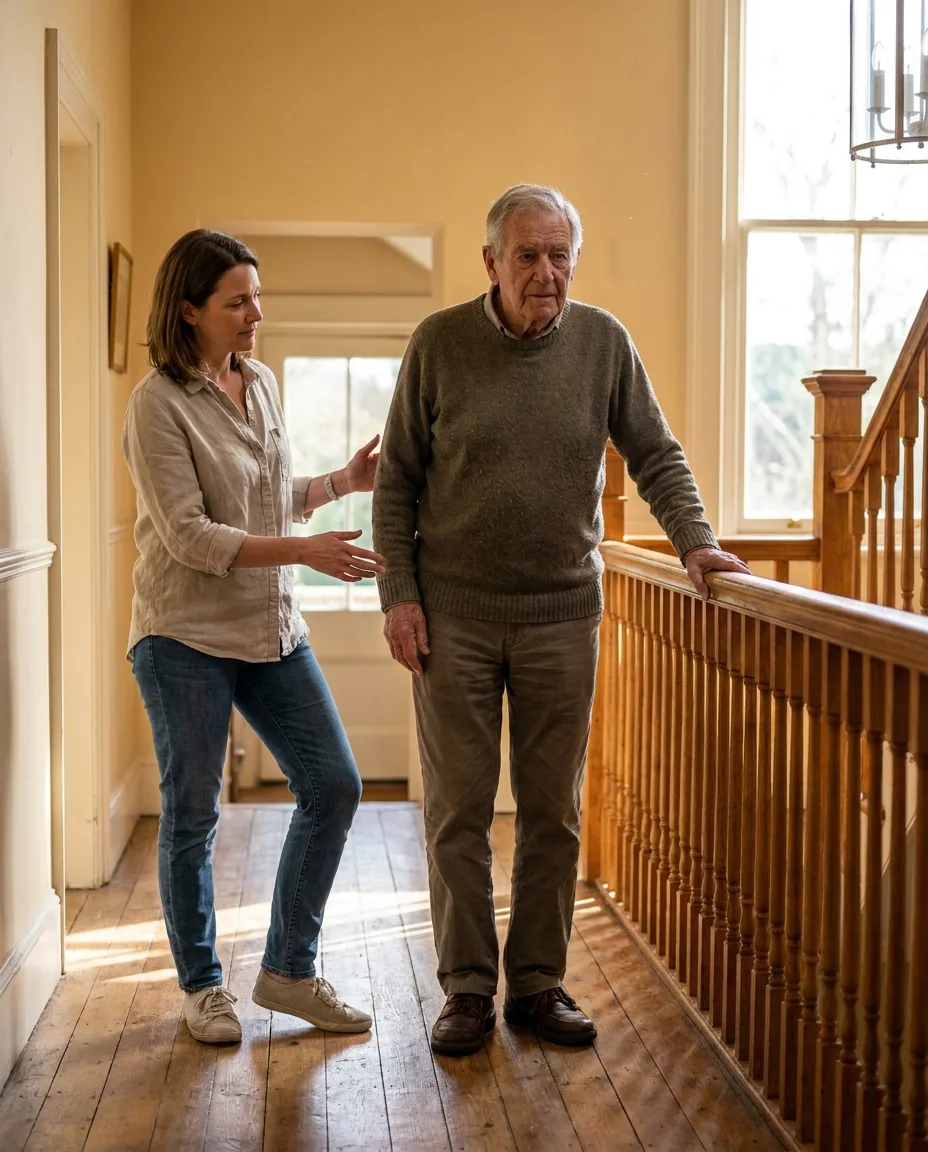
The two lists agree with each other, which is unusual and worth using. What families anticipate in the AARP survey and what the CDC recommends for fall prevention are close to the same four items, so a first sheet that covers grab bars, the entryway, stairs and railings, and lighting is not a guess. It is the overlap.
Grab bars, inside and out
The CDC recommends grab bars inside and outside the tub or shower and next to the toilet. It is the modification adults 50 and older most expect to need, at 72%, and the one most often mounted into a towel bar instead of a stud. For the room by room version of this line, see where bathroom injuries actually happen.
The entryway, whichever one is used
Entryway enhancements sit at 71% in the same survey, second only to grab bars. The entrance that matters is the one the household actually uses, which is frequently the side door off the driveway rather than the front steps in the photographs.
Stairs and railings
The CDC is specific here: put railings on both sides of stairs. Most houses have one, on the side the builder found convenient, and the second rail is usually the cheapest line on the whole sheet.
Light, everywhere the route goes
The same guidance asks you to make sure the home has lots of light by adding more or brighter light bulbs. Light travels further than any other line here. One brighter hallway reaches the stair, the bathroom door and the walk to the kitchen at once. Working the whole house in this order is what a printable-style home safety walk-through is for.
Write the sheet, then have somebody walk it with you
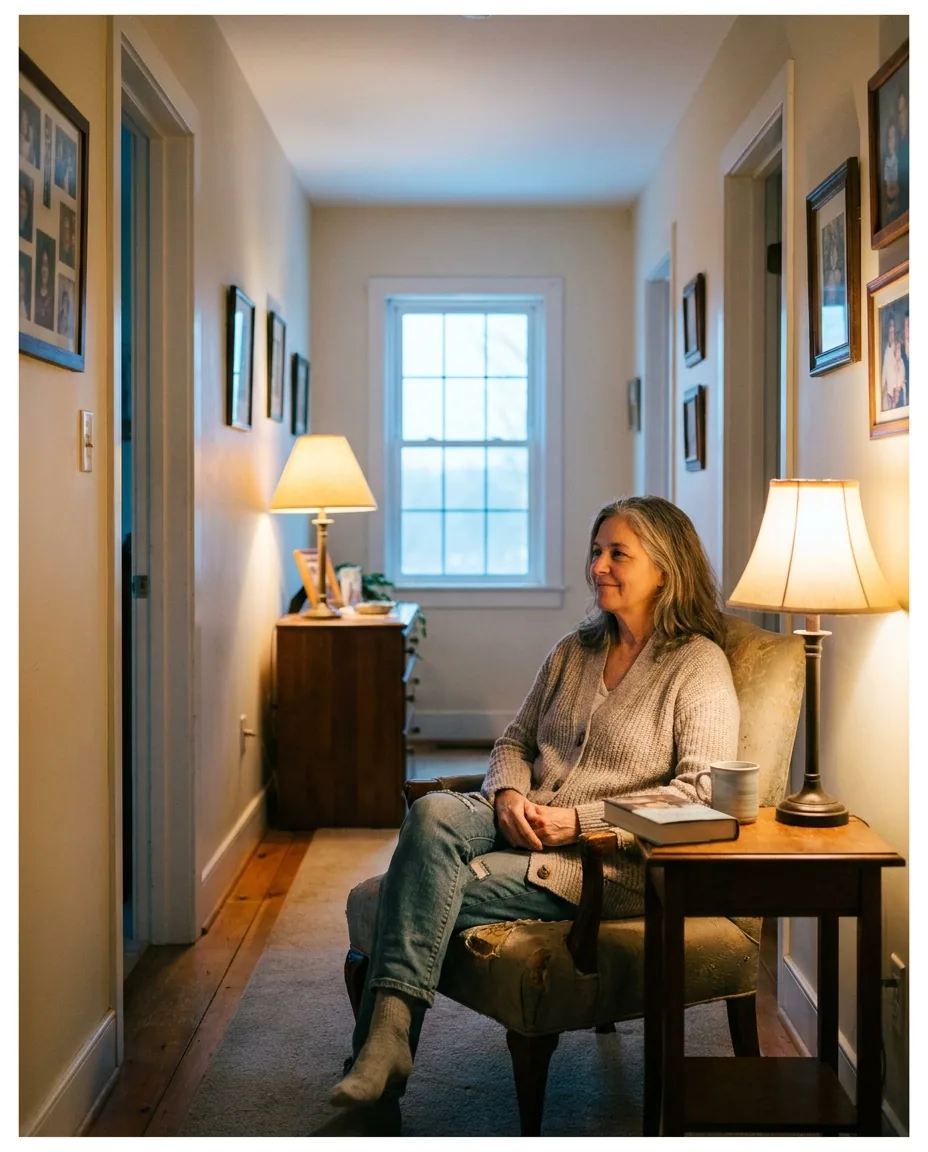
There is a free document that does the paper half of this well. AARP's HomeFit Guide is a free, 36 page, fully illustrated publication, available in English, Spanish, Chinese, Korean and Vietnamese, and it moves room by room the way a job book does. Print it, walk the house with a pencil, and mark only what this house has rather than what a general list says every house has.
The paper pass
Two people, one guide, one evening. The value of doing it on paper first is that it separates the lines you can do this month from the ones that need a trade, before anybody has spent anything.
The in-home pass
A guide describes a house in general. It cannot tell you which of the four lines above matters most for the person actually living here, because that depends on the morning they are having. At Endurance Home Care, a registered nurse conducts the in-home assessment, and the care plan comes out of that visit rather than out of a brochure.
Endurance Home Care is registered with the Connecticut as a Connecticut License, registration HCA.0002450. Endurance Home Care provides care at home in Connecticut and New Jersey, with companion care only in New York. Skilled nursing, home health aides and physical therapy in Connecticut are provided by Endurance Home Health. Caregivers support, remind, accompany, coordinate and supervise. They do not diagnose or treat anyone.
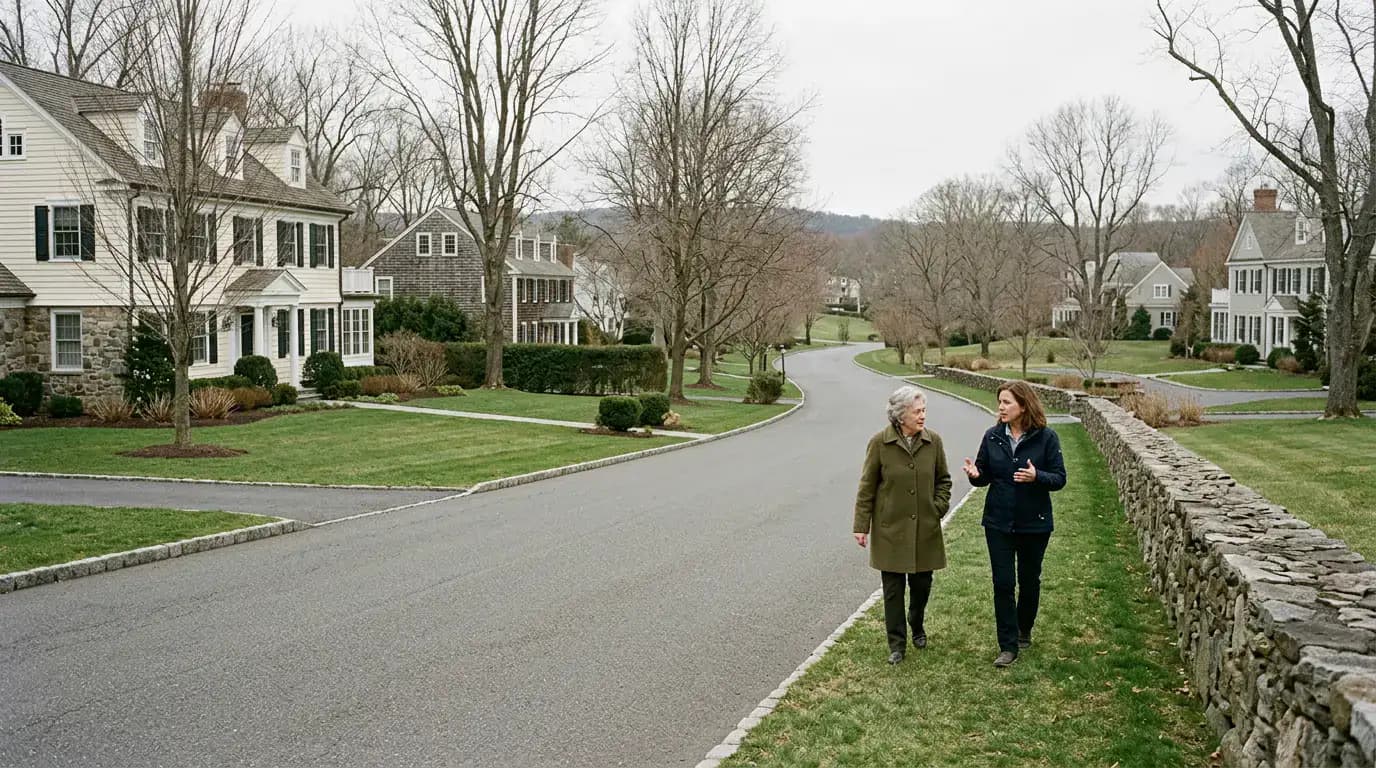
Bought once, or paid every month
Every line in the job book falls into one of two columns, and the two columns behave completely differently over a year. This is the comparison families are usually making without writing it down.
Grab bars, a second railing, brighter bulbs, the entrance the household actually uses
These are bought and installed once. What they cost depends entirely on the house, so this page gives you no figure. Get two quotes on the lines that need a trade and do the rest with a drill and a Saturday.
A monthly bill that arrives whether or not the house changed
- Connecticut assisted living, median
- $9,118/mo
- In-home care at 40 hours a week
- $6,864/mo
Long Term Care Navigator 2026 cost of care data, Connecticut.
That is why the two columns are usually not an either or. A house that has had the four lines done is a house where a smaller number of care hours goes further, and the hours are the part that scales with need. Where the need is hands on rather than structural, hands-on personal care at home is the line that gets added next.
Questions families ask
What are the most common aging in place home modifications?
In AARP's 2026 figures, the modifications adults 50 and older most expect to need are grab bars (72%) and entryway enhancements (71%), followed by kitchen upgrades (39%). The CDC's fall prevention list matches: grab bars inside and outside the tub or shower and next to the toilet, railings on both sides of stairs, brighter lighting throughout.
Why do most homes need modification for aging in place?
Only 10% of the roughly 115 million US housing units are aging-ready, according to the US Census Bureau. Most homes were built for younger bodies: steps at every entry, narrow bathrooms, dim lighting. Over half of adults 50 and older, 51%, say they need a home that supports independent aging, per AARP's 2026 figures.
What if my parent refuses to move but is struggling at home?
That is the most common starting point families describe; one put it as their mother did not want to go into a senior residence but was struggling to cope in her home. The workable answer is usually layered: targeted modifications like grab bars, railings, and lighting, plus scheduled daily-living help with the tasks that slip. An in-home assessment maps both layers at once.
Bring us the sheet. We will walk the house with you.
Home care in Connecticut and New Jersey, and companion care only in New York, from an agency licensed in Connecticut and New Jersey as HCA.0002450.