

Live In Caregiver Requirements: What a Household Provides
A live in caregiver needs a private place to sleep and normal board, and we handle everything on our side of the line.
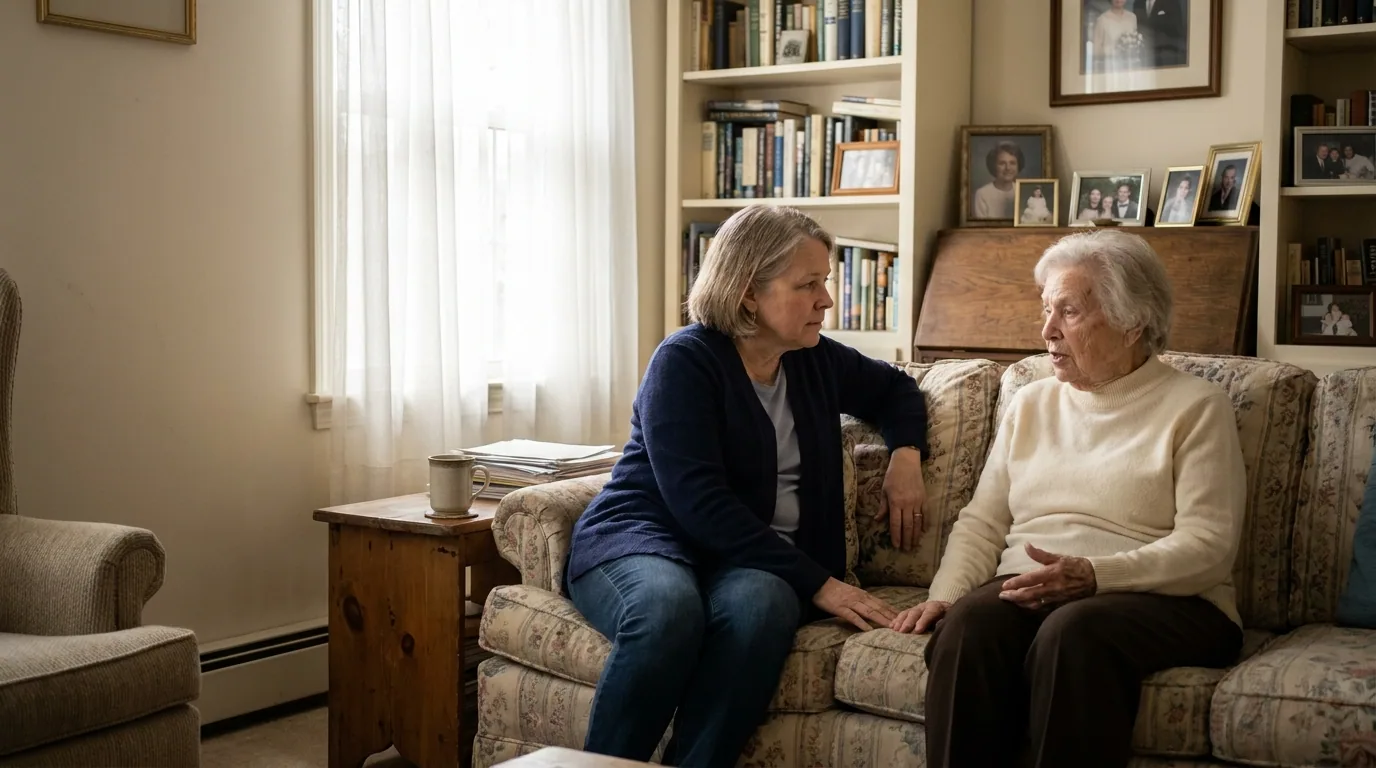
In a live in care arrangement, the caregiver resides in the client's home, so the household provides sleeping space and board, while a registered agency like Endurance Home Care, Connecticut Homemaker Companion Agency registration HCA.0002450, carries training, matching, and registration on its side.
Every live in arrangement has two sides of one line. The house provides one of them. The agency provides the other.
Families almost always arrive asking about the first side only, and it is a fair question with a short answer: a room, a bed, meals, somewhere to put a suitcase. The longer answer sits on the other side of the line, where the requirements belong to us instead of to you. Who the caregiver is. How they were trained. How they were matched to your parent rather than assigned to a shift. Whether the agency sending them is licensed by the state to do this work at all. Read this page as one drawing with both margins called out, because deciding only the half you can see is how arrangements come apart in week three.
If you have not settled the shape of the week yet, start with the live in care guide and come back here for the dimensions.

What the house has to hold
Living in means the caregiver sleeps where the work is, so the house has to hold a second adult comfortably rather than temporarily. Endurance does not publish a room standard and this page will not invent one. What follows is the category in plain terms, with the question to ask beside each item. Your household’s version gets settled at the assessment, in writing, before anyone moves in.
The household side is not an agency preference, either. Care of this kind is daily-living, and public coverage is built that way: the Medicare home health benefit does not pay for 24 hour a day care at home, and it does not pay for homemaker services such as shopping and cleaning that are unrelated to a care plan. Because most long term care is daily-living, Medicare and most health insurance, including Medigap, do not pay for it. Connecticut’s own Home Care Program for Elders lists companion services and homemaker services among the supports it funds, which is the same daily-living category a registered homemaker companion agency provides.
A private place to sleep
A room of their own with a door that closes, a bed, and somewhere to keep clothes. Ask what the caregiver needs in order to rest properly, and say plainly what your house can offer before anybody agrees to anything.
Private means private. A couch in a room the household walks through is not a place to sleep.
Board
Food is provided by the family. That means meals, or the food and the kitchen access to make them. Most households simply fold the caregiver into what is already being cooked, which is usually the easiest arrangement for everyone.
Say allergies, preferences, and what happens when the family is away out loud at the assessment, not on day three.
A workable setup
Where the laundry runs, where supplies live, where the caregiver can sit for twenty minutes without taking your mother's chair. Ask what would make an ordinary Tuesday easier, then fix those things first.
Everything written down
Sleep, meals, days off, and who covers them belong in the schedule rather than in a shared assumption. Ask for the arrangement in writing before day one and read it with the caregiver present.
Written beats remembered. Every household's version of this is a little different.
For the shape of an ordinary day inside that arrangement, read what a live in caregiver does day to day.

What we carry on our side of the line
Training that arrives with the caregiver
Endurance describes its Care Professional training as extensive, and names the scope: disease states, plus health and wellness education, with a wellness program behind it and customized monthly client assessments once someone is placed. Training is not a certificate collected once and filed. It is the reason a caregiver knows what an ordinary bad night looks like, and what to do at two in the morning without calling you first.
A match you interview
Families are not handed a name and a start time. One family put the process plainly: the agency “allowed us to interview multiple people.” That is the moment a household stops receiving a service and starts choosing a person, which is a different transaction entirely.
Personality is part of the specification
Skill gets a caregiver through the door. Temperament is what keeps them in the house, and it is the part families remember out loud. A daughter writing about a father who wanted no help at all reported that the caregiver’s “amazing personality won him over.” That is a matching outcome rather than a lucky one, which is the whole argument for hiring privately versus through an agency.
New Jersey: care from a certified home health aide
All home care workers in New Jersey are mandated to be certified home health aides, working to a care plan from a nurse practitioner. A live in arrangement in New Jersey is staffed on that basis, and the household side of the arrangement, the room and the board, is the same conversation it is anywhere else.
State registration, in the open
Connecticut License HCA.0002450, registry verified and active. A registration is a state record that an agency is registered to provide daily-living homemaker and companion services. It is not an endorsement of the agency and it is not a medical credential. Ask any agency you speak to for its number, and look it up.
Settled before day one
Three things decide whether a live in arrangement holds. When the caregiver sleeps. Who covers the hours they are off. What happens when the schedule has to change, because it will. None of the three should be improvised in week two, and all three are assessment questions rather than day one surprises.
Ask how sleep time works in practice. Ask how relief shifts are staffed, and by whom. Ask what happens on the caregiver’s days away, and whether the person covering them is somebody your parent has already met. One family described what they were given as “true flexibility around scheduling, unwavering patience, and a warm, empathetic approach.” Flexibility of that kind is a staffing decision made in advance by people with enough caregivers to make it, not a favor asked for later.
When you are ready to start a live in arrangement with our team, that conversation is the first one we have, and it happens in your actual house.
Endurance Home Care provides care at home in Connecticut and New Jersey, with companion care only in New York. Skilled nursing, home health aides and physical therapy in Connecticut are provided by Endurance Home Health.
One call settles more of this than an afternoon of reading will, because the answers depend on your rooms.
The Client Support Line is (203) 936-6847, and a person answers it. Describe the house: which room, which stairs, who else lives there, and what your parent will and will not accept from a stranger in the kitchen. Care Professionals looking for work call Employee Services at (203) 309-3169 instead. The two lines are separate on purpose, and they are never swapped.
Connecticut License HCA.0002450 · New Jersey License HP0435100 · Connecticut DPH License 9915786 (Endurance Home Health). Live-in care serves Connecticut and New Jersey; New York service is companion care only.

Questions families ask about living in
live in caregiver requirements
Live in caregiver requirements run in two directions. The household provides what living in requires: a private place to sleep, meals, and a workable home setup. The agency side provides what caregiving requires: training, a deliberate match, and state registration. Endurance Home Care holds Connecticut Homemaker Companion Agency Registration HCA.0002450 and trains its Care Professionals in disease states and health and wellness.
Do live in caregivers get time off and sleep?
Yes. A live in arrangement includes time set aside to sleep and relief planned in advance, and the specifics belong in the schedule you settle before day one: ask how sleep time works, how relief shifts are staffed, and what happens on the caregiver's days away. Endurance families describe 'true flexibility around scheduling' as the working norm, and the assessment is where your household's version gets written down.
What training do Endurance live in caregivers have?
Endurance describes extensive Care Professional training that includes disease states and health and wellness education, alongside a wellness program and customized monthly client assessments. The caregiver side of the business has its own door: Employee Services, (203) 309-3169, for care professionals who want to work this way.
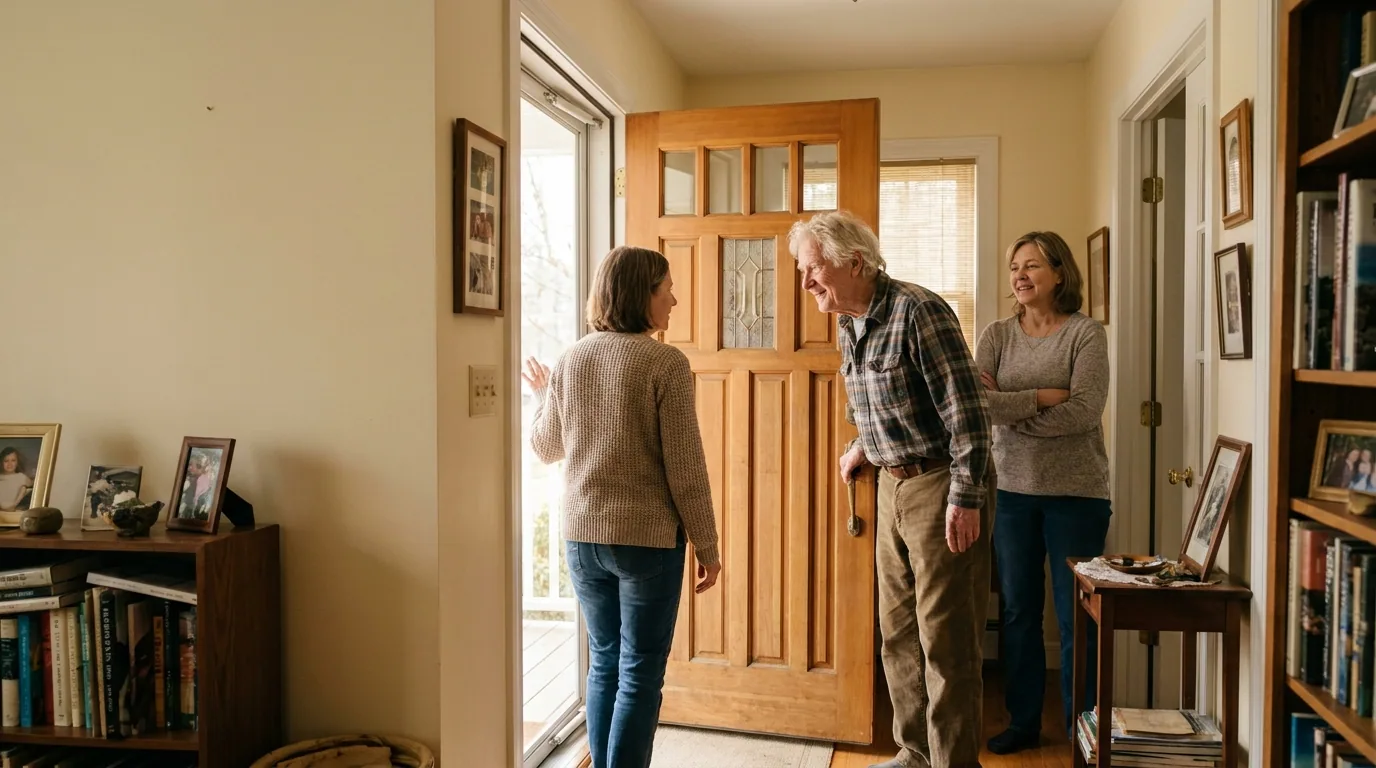
A room, a seat at the table, and everything else on our side of the line.
Daily-living live in care across Fairfield and New Haven counties, Connecticut, from a state registered agency.
Call (203) 936-6847