

Two different kinds of help
Home Care vs Hospice: Understanding the Difference
Hospice looks after comfort and symptoms. Home care helps with everyday life at home.
Hospice
Medical comfort care from a hospice team.
Home care
Everyday help at home: meals, personal care and company.

What’s the difference between home care and hospice?
Endurance Home Care, a home care agency in Stamford, is often the steady daily presence a family keeps in the house while a separate, licensed medical hospice team manages comfort care.
If a doctor has mentioned hospice, you may be wondering what changes at home and who does what. Hospice is medical care, focused on keeping someone comfortable. Home care is help with daily life. Knowing which is which makes it easier to know who to call about what.
Home care vs hospice: what is the difference?
Hospice is medical care focused on comfort for someone near the end of life, provided by a hospice team. Home care is help with daily life at home: meals, laundry and housekeeping, getting washed and dressed, moving around safely, medication reminders and company. One looks after comfort and symptoms, and the other keeps daily life held together. Families often weigh both in the same week.

What is hospice?
In short
- Medical care focused on comfort for someone near the end of life.
- Provided by a hospice team, separate from a home care agency.
- Endurance Home Care doesn't provide hospice care.
Endurance Home Care helps with everyday life at home: the meals, the house, getting washed and dressed, and company through the day. Questions about comfort, symptoms or medicines belong with the hospice team or your parent’s doctor.
In Connecticut, we’re registered as a Homemaker-Companion Agency, registration HCA.0002450.
Paying for everyday help
Medicare doesn’t pay for custodial or personal care that helps with daily activities like bathing, dressing or using the bathroom, when that’s the only care a person needs. Most long-term care is this kind of everyday help, and Medicare and most health insurance, including Medigap, don’t pay for it. That’s why everyday help at home is usually arranged and paid for separately. How families pay for care.
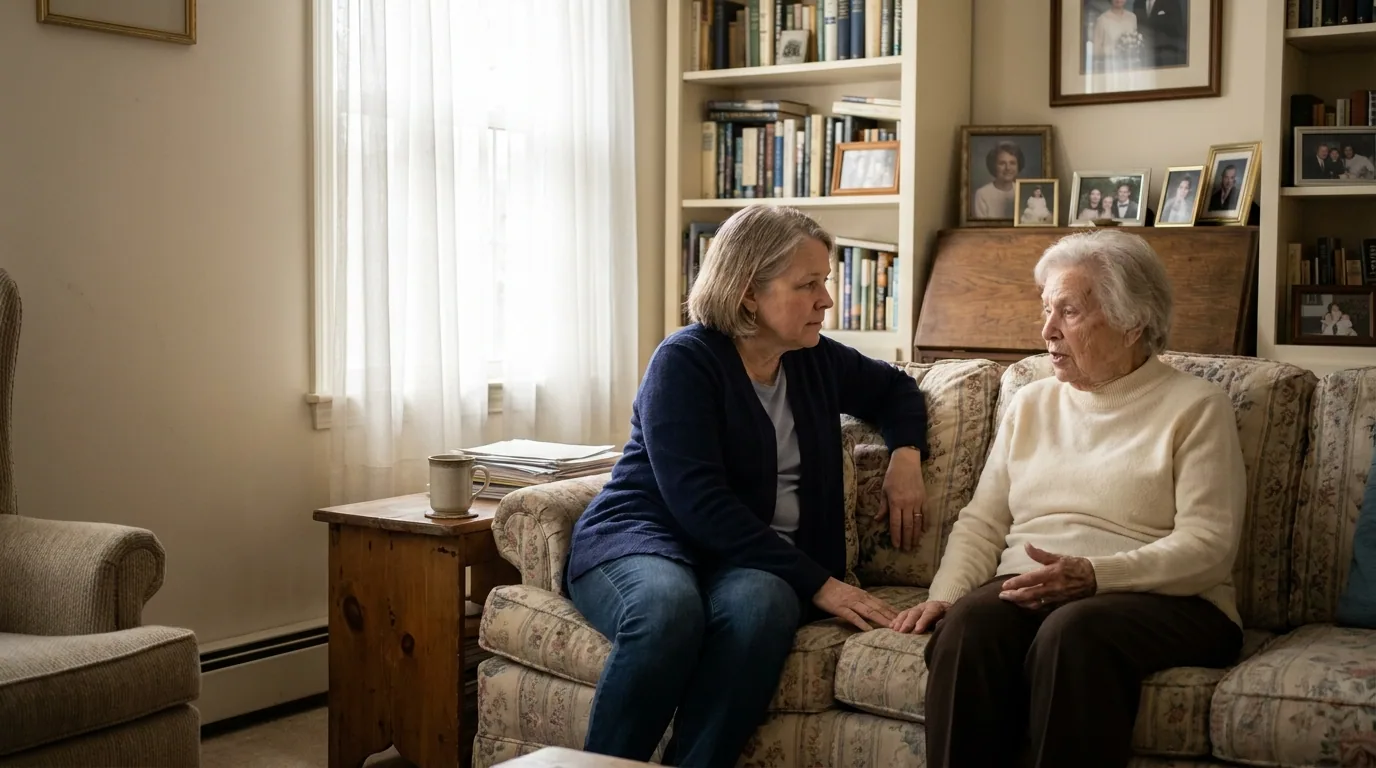
Home care is help with the day: the meals, the house, getting washed and dressed, and company.
What does home care help with?
Everyday help
- Companion care: company, conversation and someone there to talk to.
- Homemaking: meals, laundry and keeping the house in order.
- Personal care: hands-on help with bathing, dressing, the bathroom and moving safely.
- Medication reminders, and someone nearby to help them get around safely.
Help can be arranged for the hours you need: by the hour, overnight with an awake caregiver, with a live-in caregiver who has time to rest, or around the clock with caregivers working awake shifts. We provide personal care in Connecticut and New Jersey. In New York we provide companion care, by the hour, overnight, live-in or around the clock.
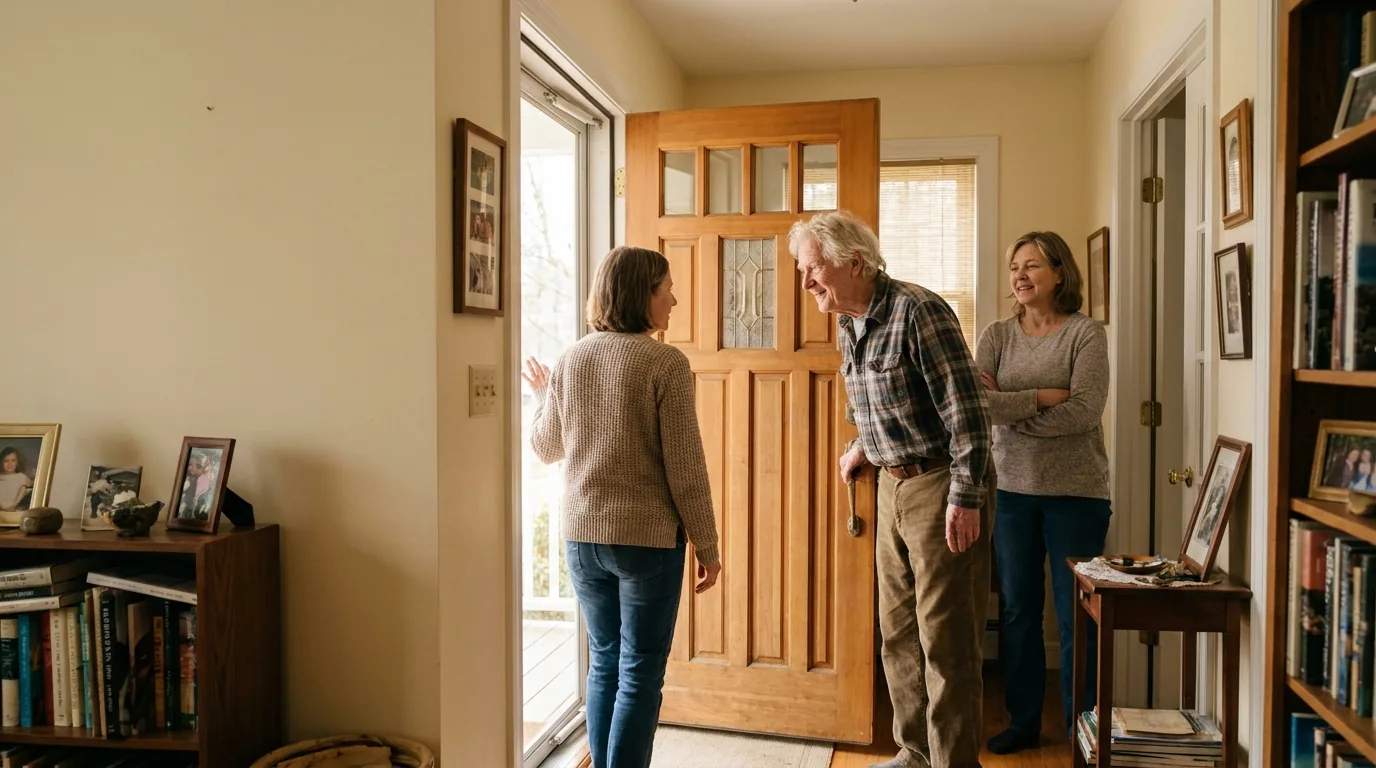
Working alongside a hospice team
A family can have a hospice team and a home caregiver in the house at the same time. When several people are involved in someone’s care, it helps to know where each question goes. A simple way to think about it:
- Comfort, symptoms and medicines
- The hospice team, or your parent's doctor.
- Meals, the house and personal care
- Home care: a caregiver who helps with the everyday things.
- Not sure where a question belongs
- Ask the hospice team about anything medical. For everyday help at home, you're welcome to call us.
If you’re also weighing other settings, see home care vs assisted living and home care vs nursing home.

These are two different jobs, and a family can have both in the house at once.
If the meals, the house or the personal care are becoming a lot to manage, call our care team on (203) 936-6847, and a person answers. We’ll listen, answer your questions and talk through what everyday help we can arrange. If what you need most is a break for yourself, respite care for the family caregiver is a good place to start.

What families ask when hospice comes up
Can you have home care and hospice at the same time?
They do different jobs, so families do combine a medical hospice team with daily-living help for homemaking, companionship, and overnight presence. The hospice team looks after comfort and symptoms, and home care looks after the day. Ask both providers who covers what, so everyone knows their part. We'll answer that scoping question in one call.
Does home care replace hospice?
No. Hospice is medical comfort care, and if a doctor has recommended it, follow that advice. Home care is everyday help: meals, housekeeping, personal care, medication reminders and company. In Connecticut, skilled nursing, home health aides and physical therapy are provided by our separate company, Endurance Home Health. What home care adds is the daily living support a medical team is not there to do.
What can a home caregiver help with near end of life?
Everyday help that keeps the house running and the day comfortable: meals, laundry and tidying, help with bathing, dressing and the bathroom, moving around safely, medication reminders, and steady company for your parent and for you. Anything medical, including comfort medicines, stays with the hospice or medical team. We support, coordinate, and stay. If you'd like to know whether this kind of help fits your situation, call us and we'll talk it through.
Questions about everyday help at home?
Tell us what’s happening and what has become hard to manage. We’ll talk through the everyday help we can arrange. The first conversation is free, and nothing starts until you say so.