5 July 2026 · 6 min read
What Is Homemaking Services? A Complete Guide for Seniors and Families
What is homemaking services and how does it help seniors age safely at home? Learn what's included, how it differs from personal care, and when to start.
Homemaking services are daily-living support that helps seniors keep their homes clean, organized, and running smoothly — think light housekeeping, laundry, meal preparation, and errands. Unlike personal care, homemaking services focus on the home environment rather than hands-on assistance with bathing or dressing. For many older adults, this kind of support is what makes staying in a familiar house realistic and safe, rather than a source of daily struggle.
If you’ve searched “what is homemaker services” or “what are homemaker services” while trying to figure out care options for a parent, you’re not alone. The terminology can be confusing, and families often don’t realize how much a clean, organized, well-stocked home contributes to a senior’s safety and wellbeing until something goes wrong — a fall over clutter, a missed meal, spoiled food in the fridge.
What Is Homemaking Services, Exactly?
Homemaking services (sometimes called homemaker services or home maker assistance) are a category of in-home support built around household tasks rather than medical or hands-on physical care. A trained caregiver comes into the home to handle the chores and daily upkeep that become harder — or physically risky — for a senior to manage alone.
These services typically include:
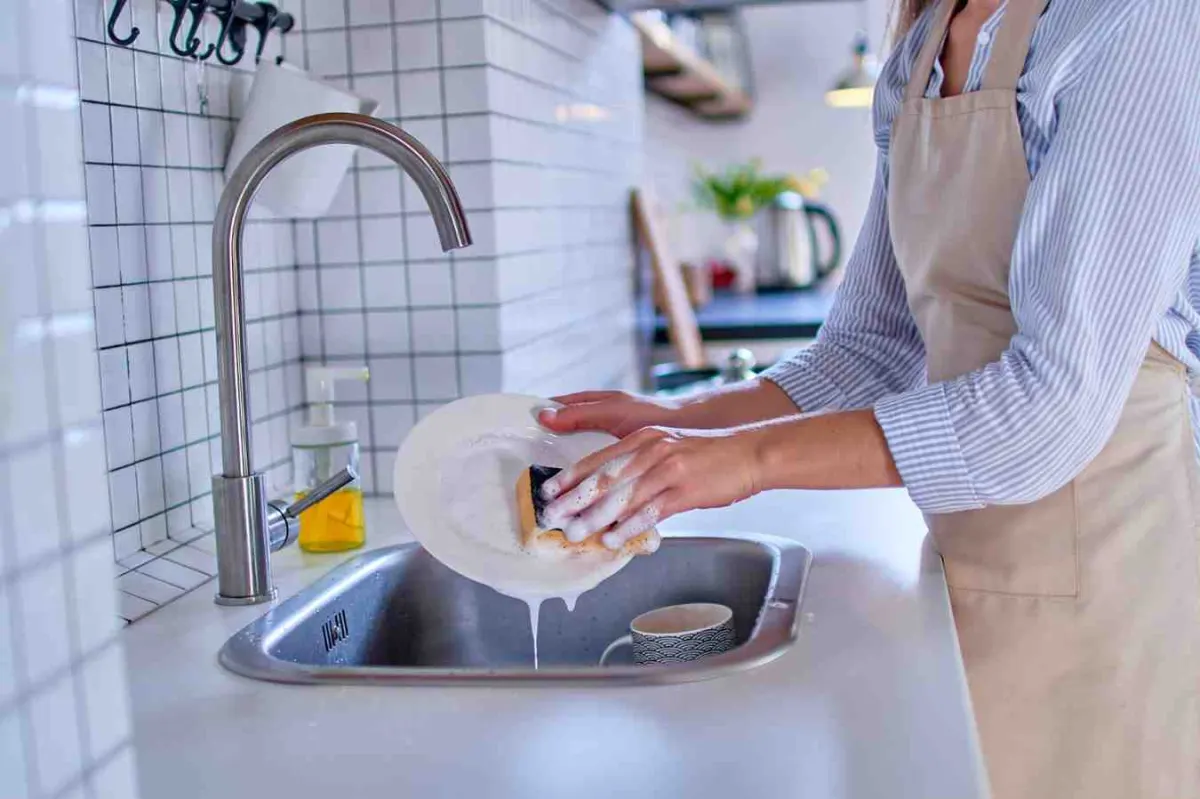
- Light housekeeping — dusting, vacuuming, dishes, and tidying common areas
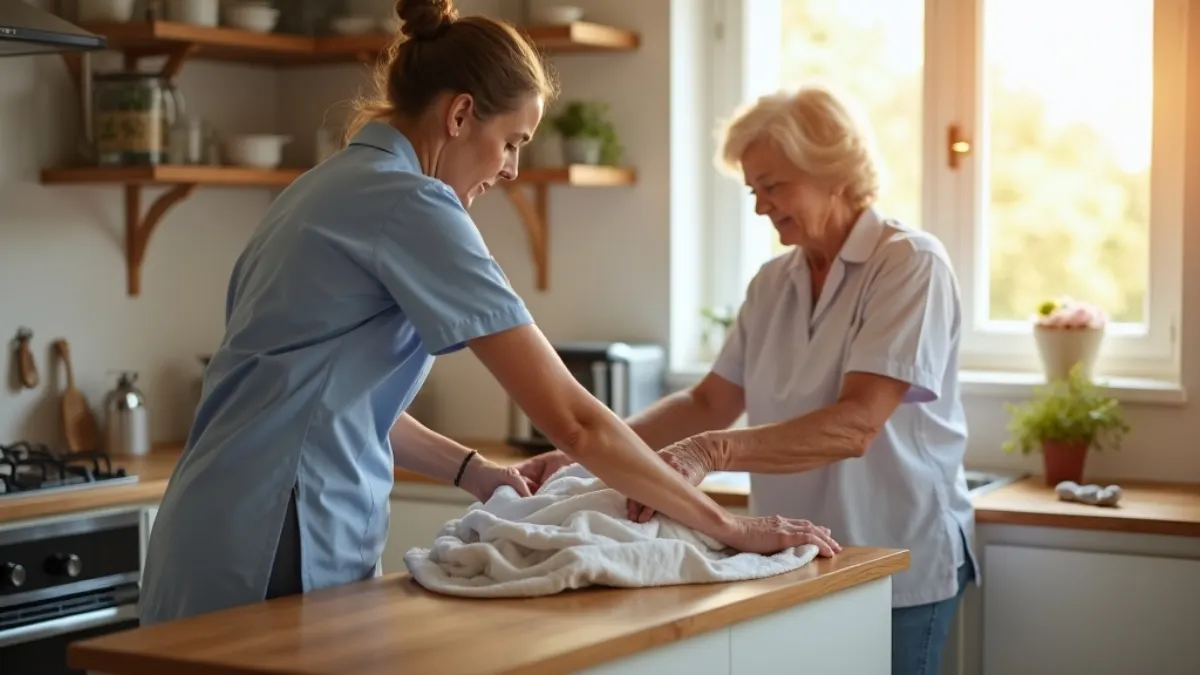
- Laundry and linen changes
- Meal planning and preparation
- Grocery shopping and errands
- Organizing living spaces to reduce fall hazards
- Keeping the kitchen and bathroom sanitary
The goal isn’t just a tidy house. It’s removing the physical strain and safety risks that come with everyday chores so a senior can conserve energy for the things that matter more — visiting family, staying active, and simply enjoying their home.
Homemaking Services vs. Personal Care: What’s the Difference?
Families often mix up homemaking services with personal care, and the distinction matters when deciding what level of support someone actually needs. Personal care involves direct physical assistance with the individual — bathing, grooming, toileting, and mobility. Homemaking services focus on the environment around the person.
Many seniors start with homemaking services alone and add personal care services later as needs change. Others need both from the start. A good home care agency will help assess which combination fits your loved one’s current situation — not just what sounds simplest.
Why Homemaking Services Matter for Aging in Place
Most seniors say they want to stay in their own homes as they age, but the physical demands of home upkeep are often what force a move to assisted living. A cluttered hallway, an overflowing laundry basket, or an empty refrigerator aren’t just inconveniences — they’re safety and health risks.
Reducing Fall Risk
Falls are among the leading causes of injury for older adults, and a disorganized or poorly maintained home significantly raises that risk. Homemaking caregivers keep walkways clear, remove tripping hazards, and maintain a tidy, navigable space — small changes that add up to meaningful protection.
Supporting Nutrition
Cooking becomes harder with age due to mobility limits, vision changes, or simple fatigue. Skipped meals and poor nutrition are common but under-recognized problems among seniors living alone. Regular meal preparation support ensures a senior is actually eating well, not just getting by on convenience food or missed meals altogether.
Maintaining Dignity and Independence
There’s a real emotional difference between needing help with bathing and needing help with vacuuming. Homemaking services let seniors retain their privacy and independence around personal matters while still getting the practical support that keeps their home livable.
Who Typically Needs Homemaking Services?
Homemaking support tends to fit best for seniors who are:
- Living alone and finding household chores physically exhausting
- Recovering from a hospital stay or surgery, even temporarily
- Managing arthritis, limited mobility, or chronic fatigue
- Early in a dementia diagnosis but still largely independent with personal care
- Recently widowed and adjusting to managing a household solo for the first time
It’s also common for adult children who live out of state or across the country to arrange homemaking services as a way to ensure a parent’s home stays safe and functional between visits — a practical middle ground before more intensive care is needed.
What a Typical Homemaking Visit Looks Like
Visits are usually scheduled on a recurring basis — a few hours, a few times a week, though this varies by household needs. A caregiver might:
- Start with light cleaning in high-use areas like the kitchen and bathroom
- Do a load of laundry and change bed linens
- Prepare a meal or two, sometimes with extra portions stored for later
- Run errands like grocery shopping or picking up prescriptions
- Spend time with the senior, offering companionship alongside the practical help
That last point matters more than it might seem. Homemaking visits often double as valuable social contact, especially for seniors who live alone and don’t see people regularly otherwise. Many of our clients across homemaking services for the elderly find that the relationship with a consistent caregiver becomes just as valuable as the chores getting done.
How Homemaking Fits Into a Broader Care Plan
Homemaking services rarely exist in isolation for long. As needs evolve, they often combine with other forms of support:
- Companion care — for seniors who want social engagement alongside household help
- Personal care — added when physical assistance with bathing or dressing becomes necessary
- Medication reminders — layered in for seniors managing multiple prescriptions
- Transitional care — homemaking support after a hospital discharge, while recovery is underway
This flexibility is one of the biggest advantages of in-home care over a one-size-fits-all facility placement. Families in Fairfield County can adjust homemaking and personal-care support as needs change. In Westchester County, Endurance provides companion care only; support is non-hands-on and does not scale into personal care.
Homemaking Services vs. Other Terms You May Have Seen
Searches for “have a heart homemaker services” or “in home support services” often turn up different agency names using slightly different terminology for essentially the same category of care. Regardless of the name on the door, the core service is the same: daily-living help with household tasks so a senior can remain safely and comfortably at home.
What varies between providers is training, consistency of caregivers, and how well the service integrates with other care needs as they arise. When comparing options, ask specifically how a provider staffs recurring visits, what happens if your regular caregiver is unavailable, and how they communicate updates back to family.
Questions to Ask Before Starting Homemaking Services
- Will the same caregiver visit consistently, or does staff rotate?
- Can services scale up if personal care or supervision needs increase later?
- Is meal preparation tailored to dietary restrictions or health conditions?
- How are tasks communicated and tracked between visits?
- What’s the minimum time commitment — hourly, weekly, or ongoing?
Getting clear answers upfront prevents surprises later and helps ensure the service actually matches your loved one’s daily rhythm and preferences, not just a generic checklist.
Getting Started
Homemaking services are often an approachable first step into professional home care: practical, non-intrusive, and useful for a senior who wants to stay independent but could use a hand around the house. If you’re weighing options in Fairfield County, our team can discuss homemaking alongside other registered services. In Westchester County, Endurance provides companion care only, which can include non-hands-on help around the home but not personal care.
Published 5 July 2026. Written by Endurance Home Care. What we offer, and where, is on the services page.