
6 May 2026 · 7 min read
What In-Home Personal Care for Seniors Actually Includes in Fairfield County | Endurance Home Care CT
Learn what in-home personal care includes for seniors, tasks a personal care aide does, and the difference from companion care in Fairfield County, CT.
When “I’m Fine” Starts to Sound Different
Many families can point to the exact moment their relationship with an aging parent quietly changes. It might be after a fall that “wasn’t a big deal,” a phone call where Mom sounds unusually tired, or a visit where you notice the laundry piled higher than usual. Often, seniors don’t want to worry their loved ones—and adult children don’t want to overreact.
In-home support can be a gentle bridge between independence and safety. But it’s also confusing at first: What does in-home personal care include for seniors? How is it different from companion care? And what tasks does a personal care aide do day to day?
If you’re exploring senior personal care services in Fairfield County CT, this guide is meant to help you make sense of your options—and take the next step with confidence.
What Does In-Home Personal Care Include for Seniors?
In-home personal care focuses on hands-on help with daily activities that are essential for comfort, hygiene, mobility, and well-being. It’s not medical care, but it is intimate care—support with the tasks that can become harder with age, arthritis, balance challenges, low energy, or memory changes.
Here are common areas personal care can include:
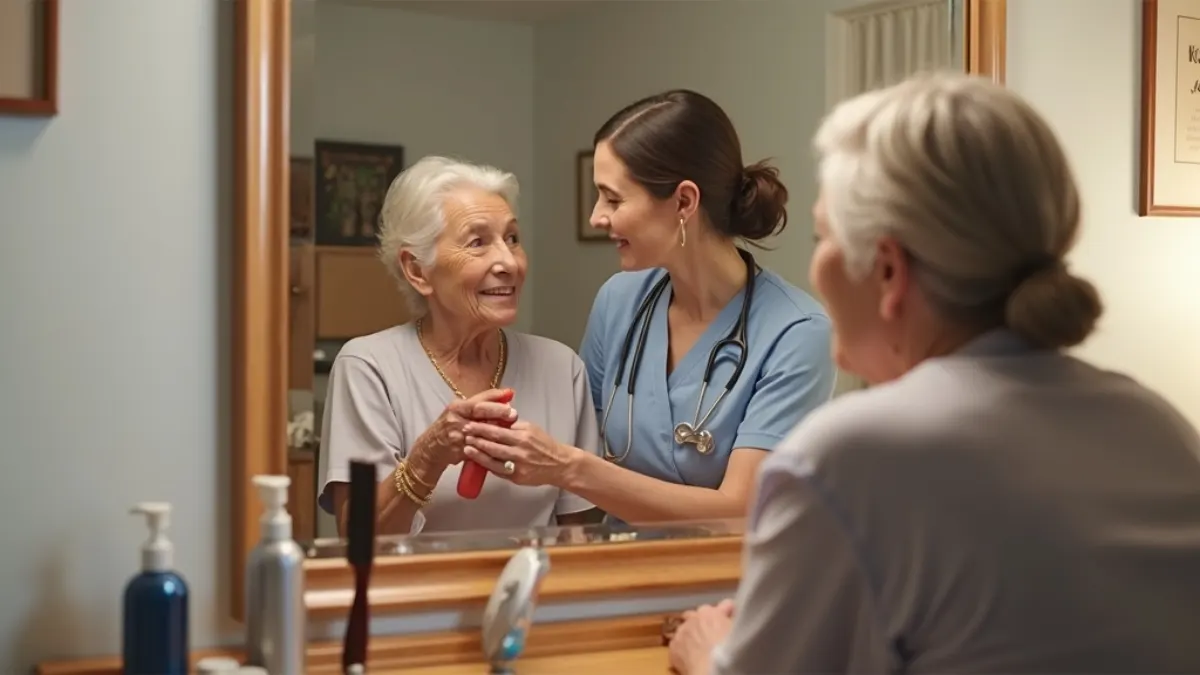
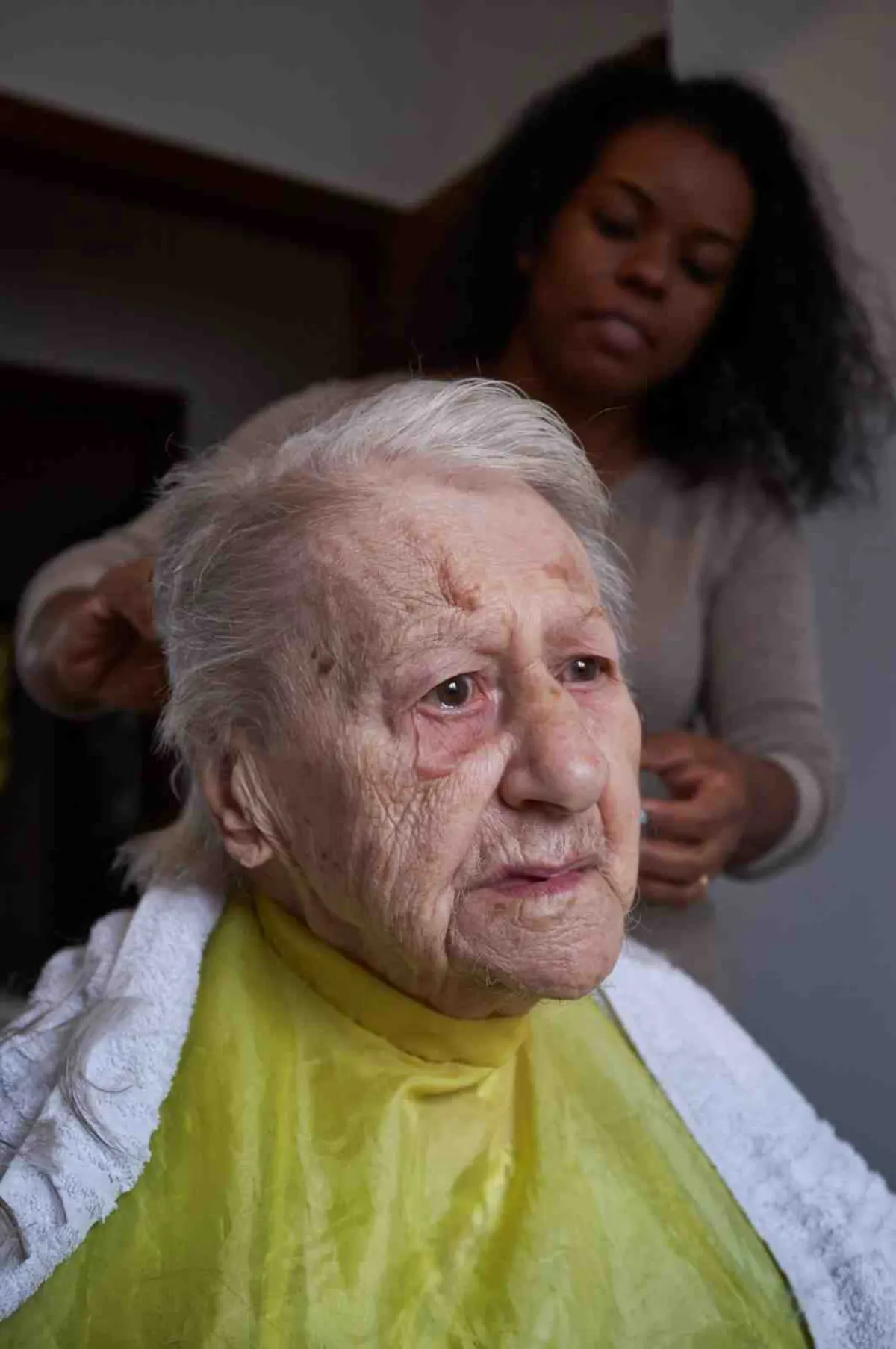
Personal hygiene and grooming
This can involve assistance with:
- Bathing or showering safely (including help getting in and out)
- Washing hair, brushing teeth, shaving, and skincare
- Incontinence care and hygiene routines
- Dressing support, including buttons, zippers, and compression socks
These aren’t just “tasks.” They protect dignity. When hygiene becomes difficult, many seniors withdraw socially. Gentle, respectful support can help them feel like themselves again.
Mobility and safe movement at home
- Help transferring from bed to chair, chair to standing, or in/out of a vehicle
- Assistance walking (with or without a mobility aid)
- Fall-prevention awareness (clearing pathways, reminding about footwear, steadying during transitions)
Mobility support is about maintaining independence, not taking it away. A little help at the right moment can prevent an injury that changes everything.
Toileting and continence support
- Prompting and assistance getting to the bathroom on time
- Help with clothing adjustments
- Hygienic cleanup and disposal
- Changing incontinence products respectfully
Families often hesitate to talk about this. But toileting challenges are common—and addressing them proactively can reduce falls, infections, and embarrassment.
Eating support and hydration reminders
Depending on the care plan, a personal care aide may help with:
- Meal setup and assistance eating (when needed)
- Encouraging hydration throughout the day
- Observing appetite changes that might signal an issue
Even when a senior can feed themselves, fatigue or tremors can turn meals into a struggle. A calm presence can make mealtime feel normal again.
Light housekeeping related to the senior’s care
Personal care typically includes care-related housekeeping such as:
- Tidying the bathroom after bathing
- Laundry support (especially linens and clothing)
- Changing bed sheets and making the bed
- Cleaning up after meals
It’s not the same as deep cleaning—but it helps keep daily life manageable.
Difference Between Personal Care and Companion Care at Home
Understanding the difference between personal care and companion care at home can help you choose the right level of support—and avoid paying for services that don’t match your loved one’s needs.
Companion care: emotional support and everyday help
Companion care is often best when a senior is mostly physically independent but benefits from:
- Friendly conversation and engagement
- Help with errands or grocery shopping
- Meal preparation (not necessarily hands-on feeding)
- Light housekeeping and reminders
- Transportation to appointments (depending on the provider and plan)
- Safety supervision and check-ins
Companion care can be a lifeline for loneliness. It keeps days from feeling long and empty—especially after the loss of a spouse, a move away from friends, or a change in driving ability.
Personal care: hands-on assistance with the body and mobility
Personal care includes many of the above supportive tasks, but it also covers hands-on help with:
- Bathing, toileting, dressing
- Transfers and walking assistance
- Incontinence care
- Physical support with daily routines
If your loved one is skipping showers, wearing the same clothes repeatedly, struggling with the bathroom, or having near-falls, personal care may be the safer choice.
When families choose a blend
Many seniors benefit from a combination: a caregiver who can provide companionship and personal care. This allows care to evolve as needs change—without forcing a disruptive transition later.
What Tasks Does a Personal Care Aide Do?
The phrase “personal care aide” can sound clinical, but the reality is deeply human. A great aide is part helper, part calm presence, part routine-builder. The goal is to support daily life in a way that feels steady, respectful, and safe.
- Assisting with bathing, showers, sponge baths, and hygiene routines
- Helping with dressing, grooming, and basic appearance needs
- Providing toileting and incontinence care support
- Assisting with transfers and mobility (bed, chair, walker, stairs when appropriate)
- Preparing simple meals, supporting safe eating, and encouraging hydration
- Offering medication reminders (when permitted and within the care plan)
- Providing light housekeeping tied to daily living (laundry, dishes, tidying)
- Monitoring general well-being and reporting changes to the family or care team
Just as important is how these tasks are done: with patience, privacy, and a steady respect for the senior’s preferences. For many families, the best care feels less like “help” and more like life becoming manageable again.
Senior Personal Care Services in Fairfield County CT: What to Look For
Choosing senior personal care services in Fairfield County CT often comes with urgency. A hospitalization, a scary incident, or a sudden decline can push families to make quick decisions. If you can, take a breath—and look for a provider that treats care like a relationship, not a checklist.
Here are actionable ways to evaluate options:
Prioritize a personalized care plan
Ask how the care plan is built. Does the provider assess your loved one’s routines, mobility, risks, and preferences? A thoughtful plan should reflect the senior’s real life—how they like mornings to go, what foods they enjoy, what makes them anxious, and what “a good day” looks like.
Ask about caregiver consistency
Consistency matters. Familiarity reduces stress for seniors, especially those living with memory challenges. Ask how scheduling works and what happens if the regular caregiver is sick or unavailable.
Clarify boundaries and expectations
Be specific about what you need:
- Is shower assistance included?
- Is toileting support provided?
- Can the aide help with transfers?
- What kind of housekeeping is (and isn’t) included?
Clear expectations prevent frustration later.
Notice the tone of communication
When you call, do you feel heard—or rushed? A strong provider communicates with compassion and clarity. You’re not “being picky.” You’re protecting someone you love.
If you’re exploring local support, you can learn more about Endurance Home Care and the way care can be tailored to a senior’s needs and routines.
Aging in Place: Making Home Feel Safe Again
Most seniors don’t want to “go somewhere.” They want to stay in the home where life happened—where their chair sits just right, where the kitchen feels familiar, where the neighbors still wave.
In-home personal care can make that possible by reducing risk and creating structure:
- Safer bathing routines lower the risk of falls
- Regular hygiene support reduces skin issues and infections
- Mobility assistance helps prevent injuries
- Steady meals and hydration improve energy and resilience
- Consistent companionship reduces isolation and depression
For families wanting to support independence without stepping into a full-time caregiving role, explore personal care services that support aging in place at home as a starting point.
If You’re Near New Canaan: Local Options That Feel Close to Home
Sometimes, choosing care is easier when it’s nearby—when the provider understands the community, travel times, and the pace of life in your town.
If you’re looking specifically for personal care available to seniors in New Canaan, it can help to speak with a team that can explain what support looks like day to day and how quickly services can begin.
You may also want the reassurance of working with a home care provider local to New Canaan, especially when your family is coordinating care between work, school schedules, and visits.
The Right Support Doesn’t Replace Independence. It’s What Protects It.
If you’re unsure whether to start with companion care or personal care, walk through these questions:
- Is bathing or toileting becoming difficult—or being avoided? If yes, personal care is likely needed.
- Are there near-falls, balance concerns, or trouble standing up? Mobility support can prevent a crisis.
- Is loneliness affecting mood, appetite, or sleep? Companion care (or a blend of services) can help.
- Are you, as the family caregiver, burning out? That matters. Sustainable care protects everyone involved.
The right support doesn’t erase independence—it protects it. And when care is done with respect, it can restore something families miss dearly: peace of mind, and a sense that home can feel safe again.
Published 6 May 2026. Written by Endurance Home Care. What we offer, and where, is on the services page.