
27 June 2026 · 6 min read
What Personal Care at Home Actually Includes for Seniors
What personal care at home covers for seniors, and exactly what a personal care assistant does, from hygiene to daily support.
Personal care at home covers a specific, practical set of hands-on services that help seniors maintain dignity, safety, and independence in their own residences. It is not a vague catch-all term — it has a clear scope, and understanding that scope helps families make confident decisions about the support their loved one genuinely needs.
This guide breaks down exactly what personal care services include, how they differ from related care types, and what to look for when arranging support for an older adult.
What Is a Personal Care Assistant and What Do They Do?
A personal care assistant (PCA) is a trained caregiver who helps seniors with activities of daily living (ADLs) — the physical tasks that become harder with age, illness, or mobility limitations. Unlike a medical professional, a PCA does not diagnose conditions or administer clinical treatments. Their role is supportive, hands-on, and focused on the person’s comfort and routines.
Core personal care tasks typically include:
- Bathing and showering assistance — helping a senior bathe safely, whether in the shower, tub, or with a bed bath
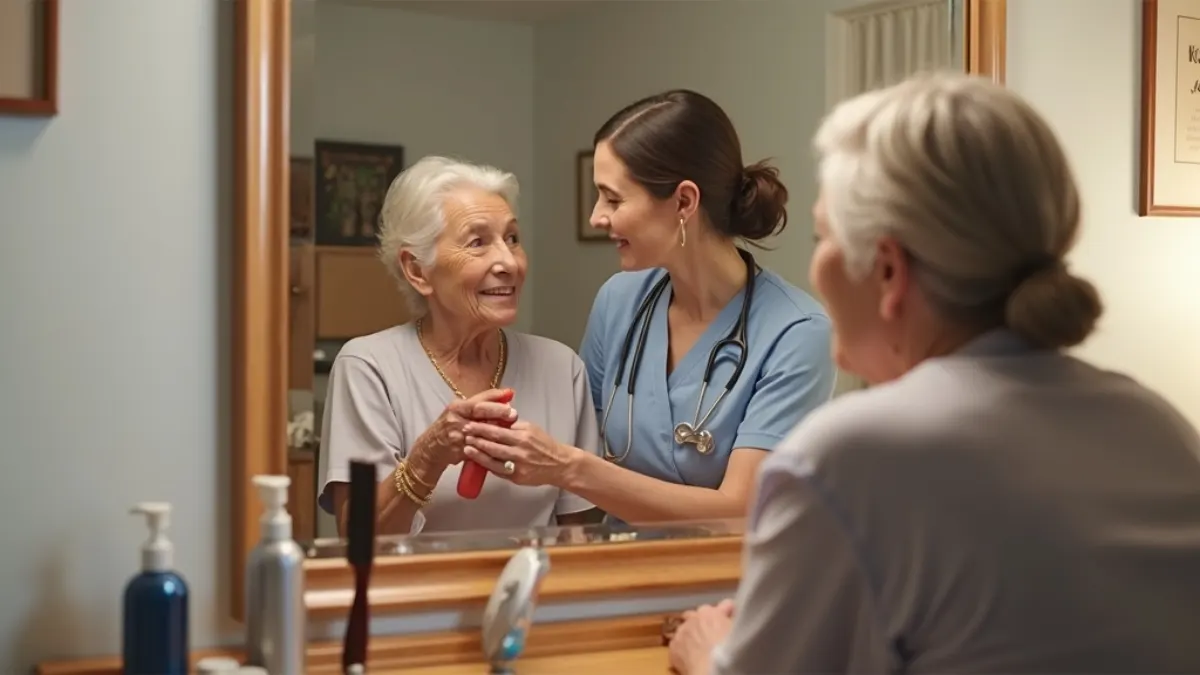
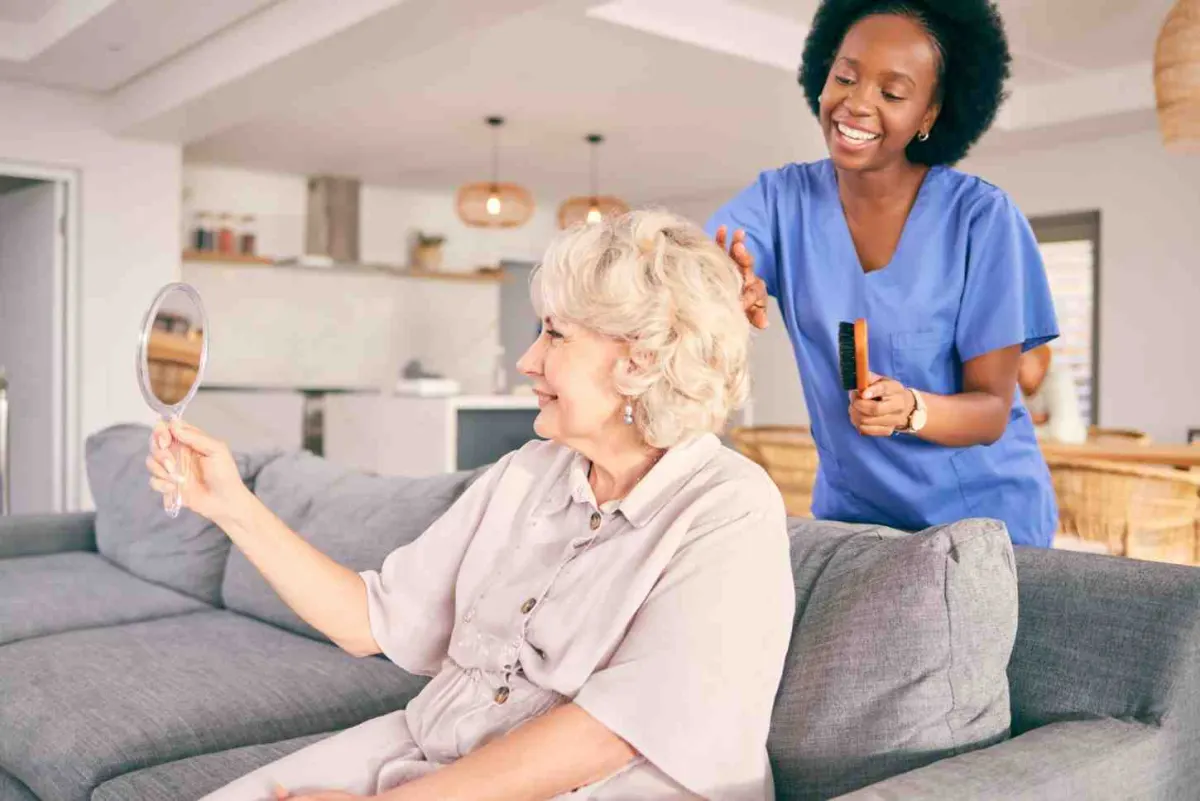
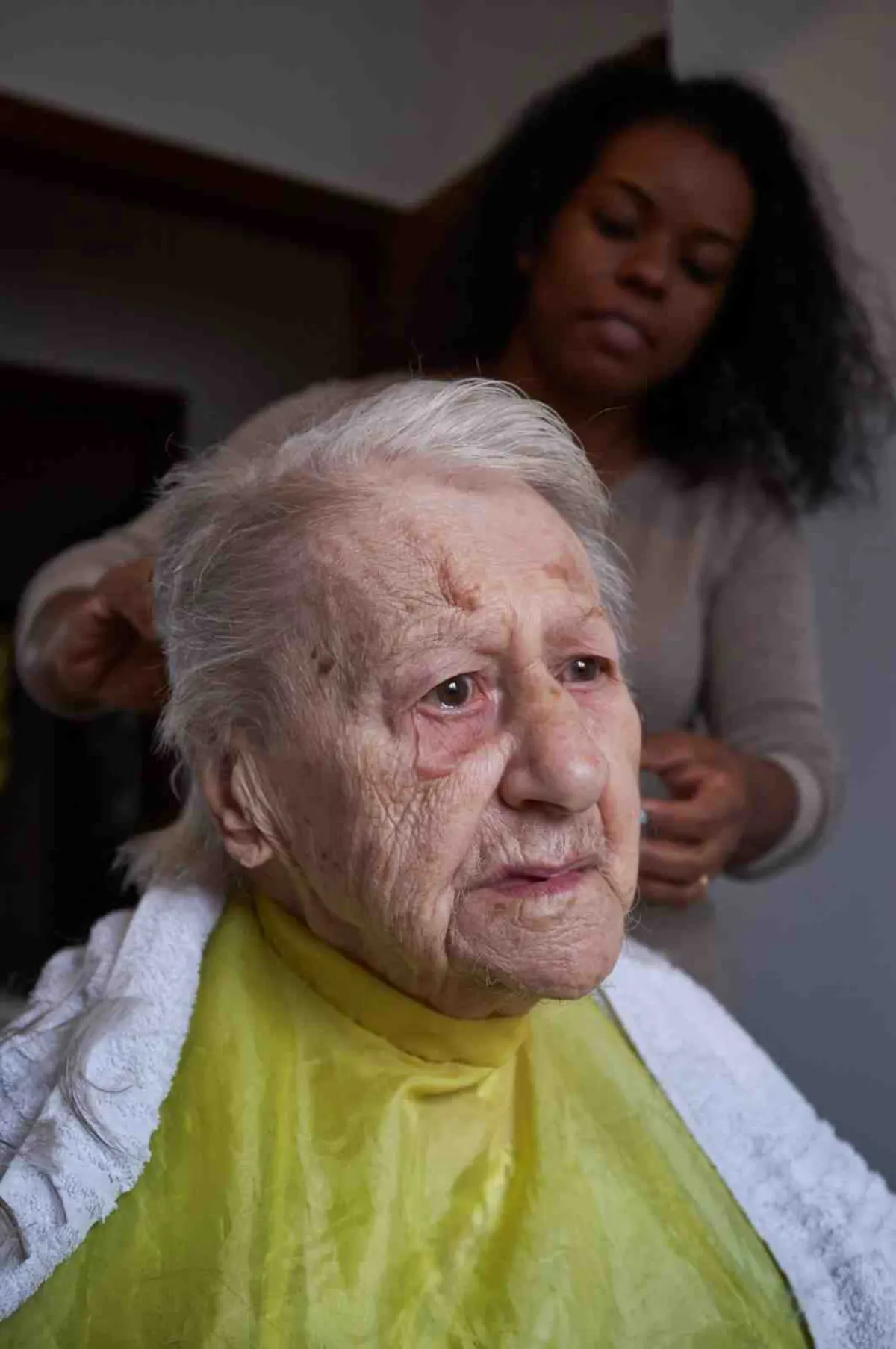
- Grooming and hygiene products — assistance with brushing teeth, combing hair, shaving, nail care, and applying skincare
- Dressing — helping select appropriate clothing and getting dressed, including managing buttons, zippers, or compression garments
- Toileting and continence care — assisting with bathroom trips and managing any continence products with sensitivity
- Mobility and transfers — safely helping a senior move from bed to chair, navigate stairs, or walk within the home
- Skin care and positioning — monitoring for pressure sores and repositioning seniors who spend extended time in bed or a wheelchair
- Medication reminders — prompting seniors to take prescribed medications at the right times (not administering medications, which requires a nurse)
For a deeper look at how these services are structured in practice, the personal care services overview on the Endurance Home Care blog is a helpful starting point.
Is Personal Care the Same as Medical Care?
No — and this distinction matters. Personal care is daily-living. It supports the physical routines of daily life without crossing into clinical territory. Wound care, injections, catheter management, and medication administration are nursing or medical tasks that require licensed clinical staff.
Personal care exists in the space between total independence and medical dependency. Many seniors need help with physical tasks but are otherwise healthy and do not require skilled nursing at home. A personal care assistant fills exactly that gap.
What Is Person-Centered Care — and Why Does It Matter?
Person-centered care is the philosophy that guides how good personal care is delivered. Rather than following a rigid routine that suits the caregiver’s schedule, person-centered care builds the day around the senior’s own preferences, habits, history, and choices.
- Asking a senior how they prefer to be addressed, not assuming
- Respecting long-established routines — morning coffee before getting dressed, for example
- Involving the senior in decisions about their own care rather than making choices for them
- Adjusting the approach as the person’s needs or preferences change
- Treating every interaction with patience and genuine respect for the individual’s dignity
Person-centered care is not a luxury or an optional extra — it is the standard that distinguishes quality home care from merely adequate care. For seniors living with memory conditions, it is especially important, because familiar routines and respectful interactions can meaningfully reduce anxiety and behavioral changes.
Personal Care vs. Companion Care: What’s the Difference?
Families often ask how personal care differs from companion care. The distinction is practical:
Many seniors benefit from both simultaneously. A caregiver who helps with bathing in the morning may also sit with the senior over lunch, assist with a gentle walk, and provide meaningful companionship throughout the day. The two services are complementary, not competing.
Does Personal Care at Home Include Housekeeping and Meals?
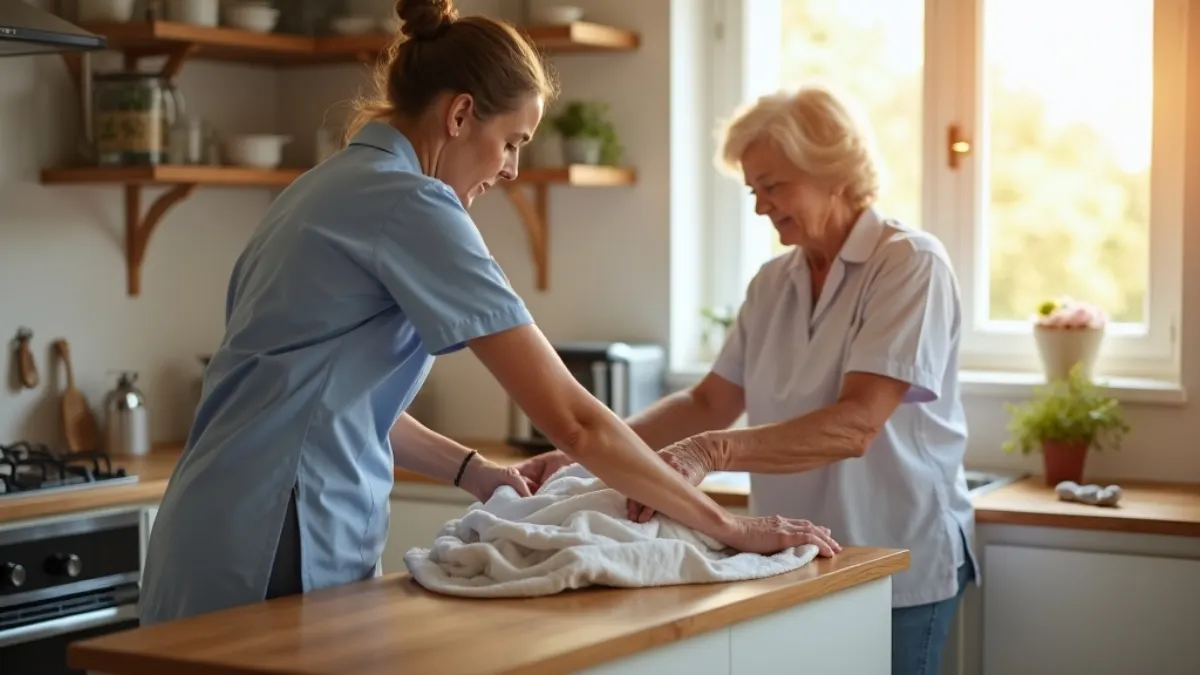
Sometimes — but it depends on the care plan. Strictly defined, personal care focuses on the individual’s body and physical routines. Homemaking services (light cleaning, laundry, tidying) and meal preparation are separate service categories, though they are often bundled into a comprehensive home care arrangement.
Practically, this matters because families should look for a provider who can coordinate all of these needs rather than arranging separate agencies for each. A caregiver who assists with morning hygiene and then prepares a nutritious lunch is providing genuine continuity of care — not two disconnected services.
The in-home personal care services guide covers how these elements work together in a typical daily care arrangement.
Personal Care for Seniors with Dementia or Alzheimer’s
When a senior is living with dementia or Alzheimer’s disease, personal care requires additional skill and patience. Cognitive decline can make routine tasks — bathing, dressing, grooming — feel confusing or threatening to the individual. Caregivers trained in memory care know how to approach these moments calmly, use simple language, and work with the senior rather than rushing them.
Key adaptations for memory care personal care include:
- Breaking tasks into very small, manageable steps
- Offering consistent, gentle reassurance throughout
- Maintaining the same caregiver where possible to build familiarity and trust
- Watching for signs of discomfort that the senior may not be able to verbalize
- Adapting hygiene routines to the senior’s current cognitive stage
In Fairfield County, families supporting loved ones with dementia may include trained, hands-on caregivers in an in-home plan. In Westchester County, Endurance provides companion care only; its New York service is non-hands-on and does not include personal care or a memory-care service.
How Hourly and Live-In Personal Care Arrangements Work
Personal care can be arranged on an hourly basis — a few hours each morning to help with bathing and breakfast — or as live-in or 24-hour coverage for seniors who need around-the-clock support.
Hourly arrangements are common when a senior is largely independent but needs consistent help at specific points in the day. Live-in or 24-hour care is appropriate when safety is a concern overnight, when a senior has significant mobility limitations, or when a family caregiver needs meaningful rest and relief.
Understanding the difference between these structures — and being honest about a senior’s actual level of need — helps families avoid both over-purchasing care they don’t need and under-purchasing care that leaves a senior at risk.
What Personal Care Is Not
A few common questions deserve a direct answer:
- Are education expenses a personal care expense? No. In the context of senior home care, personal care expenses refer to the hands-on physical assistance described in this article — bathing, grooming, mobility support, hygiene products, and related daily care. Education-related costs are an entirely separate category and are not part of personal care in this sense.
- Does personal care cover medical procedures? No. Wound care, medication administration, and clinical assessments are medical services requiring licensed nurses or therapists.
- Is personal care the same as supervision? Not exactly — though a personal care assistant does provide safety oversight as part of their role. Dedicated safety and supervision services are a distinct offering for seniors whose primary need is watchful presence rather than hands-on physical care.
Choosing the Right Personal Care Provider
When evaluating a home care agency for personal care services, ask these questions:
- Are caregivers trained specifically in personal care techniques, including safe transfers and infection control?
- Is the care plan built around the individual’s preferences, schedule, and specific needs — not a generic template?
- Is the same caregiver assigned consistently, or does the senior see a different face each visit?
- How does the agency handle situations where a senior resists care or becomes distressed?
- Can the agency scale care up or down as needs change over time?
These questions help families identify providers who genuinely practice person-centered care rather than simply claiming to.
A Practical Starting Point for Families
Personal care at home is one of the most meaningful supports a senior can receive — it preserves dignity, maintains health, and makes it possible to stay in a familiar environment for longer. The key is understanding exactly what it includes so that care is arranged thoughtfully and matched to genuine needs.
If you are beginning to explore personal care options for a family member, the personal care services for seniors in CT page offers more detail on how services are structured locally. You are also welcome to visit Endurance Home Care on Google to read about how other families have experienced this care firsthand. When you are ready to talk through your situation, the team is available to help — no pressure, just honest guidance.
Published 27 June 2026. Written by Endurance Home Care. What we offer, and where, is on the services page.
Read next
6 May 2026
What In-Home Personal Care for Seniors Actually Includes in Fairfield County | Endurance Home Care CT
14 October 2025
Embracing Independence: Personal Care Assistance for Seniors in New Canaan with Endurance Home Care
5 July 2026
What Is Homemaking Services? A Complete Guide for Seniors and Families