7 July 2026 · 7 min read
Why Nutrition Matters More as We Age: Easy Meal Prep Ideas for Beginners
Discover easy meal prep ideas for beginners and learn why proper nutrition becomes essential for seniors' health, energy, and independence as they age.
Older adults need more nutrients but often eat less, which is exactly why simple, consistent meal preparation matters so much after age 65. The easiest way to solve this is to plan a short weekly menu, prep ingredients in batches, and keep a few go-to recipes on hand that require little standing time or complicated technique. Below, we walk through easy meal prep ideas for beginners, along with why nutrition becomes such a bigger factor in health and independence as we age.
Why Nutrition Needs Change as We Age
The body’s ability to absorb and use nutrients shifts with age, even when appetite and activity levels stay the same. Metabolism slows, muscle mass naturally declines, and medications can interfere with how the body processes vitamins and minerals. At the same time, calorie needs often drop while the need for protein, fiber, calcium, and vitamin D actually goes up.
This mismatch is why so many seniors end up quietly undernourished even though they seem to be eating regularly. Skipping meals, relying on the same few easy snacks, or losing interest in cooking for one can all lead to gaps that affect energy, immune function, wound healing, and cognitive sharpness.
Common Warning Signs of Poor Nutrition in Seniors
- Unexplained weight loss or clothes fitting more loosely
- Frequent fatigue or low energy throughout the day
- Slower healing from cuts, bruises, or minor illnesses
- Increased confusion or difficulty concentrating
- A near-empty refrigerator or pantry with expired staples
If you notice several of these signs in a parent or spouse, it may be worth reading through the signs your loved one needs home care to see whether additional support could help.
What Is Meal Preparation, Really?
Meal preparation simply means organizing and partially or fully cooking meals ahead of time so that eating well takes less daily effort. For seniors, this can range from washing and chopping vegetables for the week to fully cooking and portioning dinners into containers. The goal isn’t perfection — it’s removing barriers that make cooking feel like too much work on a tired day.
Good meal prep also reduces the temptation to skip a meal or reach for something processed simply because nothing else is ready. When healthy food is already washed, cut, or cooked, the path of least resistance becomes the nutritious choice instead of the convenient one.
Easy Meal Prep Ideas for Beginners
Starting small is the key to making meal prep sustainable, especially for someone who has never batch-cooked before. These easy meal prep ideas for beginners focus on minimal equipment, short ingredient lists, and flexibility.
1. Pick Two Cooking Days, Not Seven
Rather than cooking daily, choose two days a week to prepare the bulk of meals. One mid-week session and one weekend session is usually enough to cover several days of breakfasts, lunches, and dinners.
2. Batch-Cook One Protein and One Grain
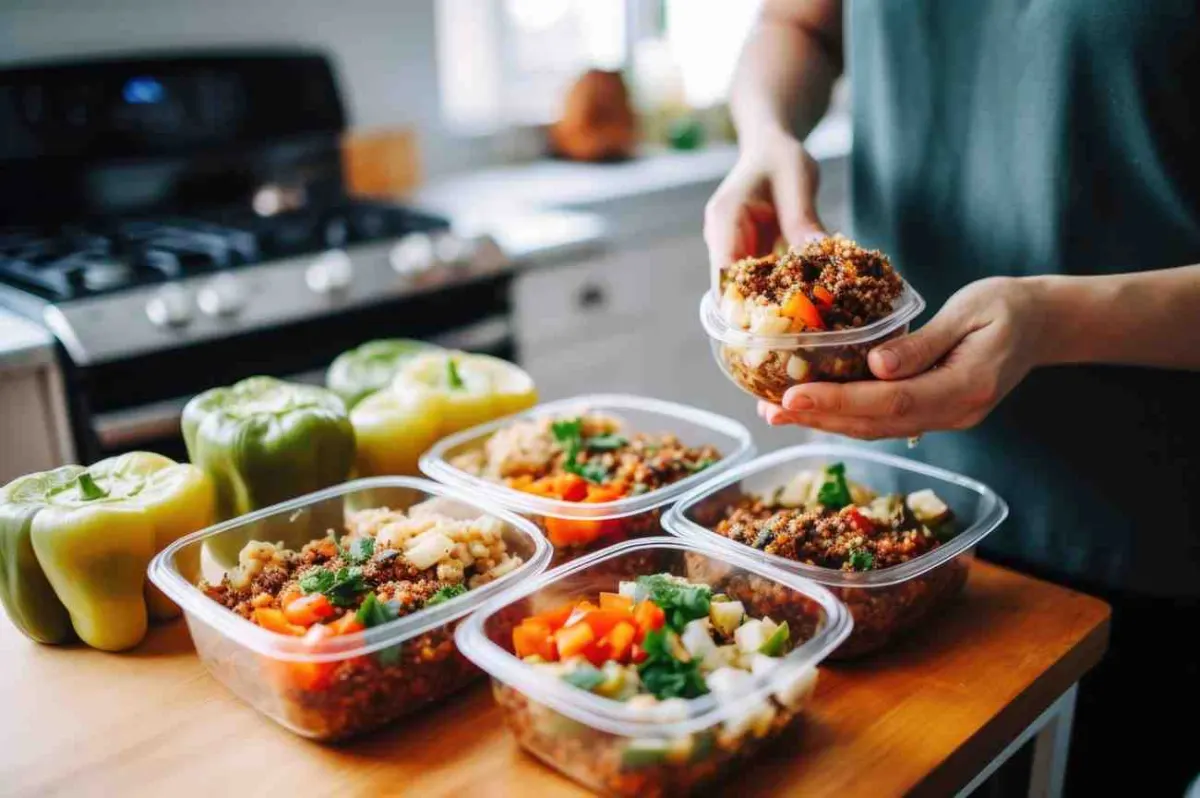
Cook a large portion of a simple protein — baked chicken thighs, hard-boiled eggs, or baked salmon — along with a grain like rice or quinoa. These two building blocks can be mixed with different vegetables and sauces throughout the week so meals don’t feel repetitive.
3. Pre-Wash and Chop Produce Immediately
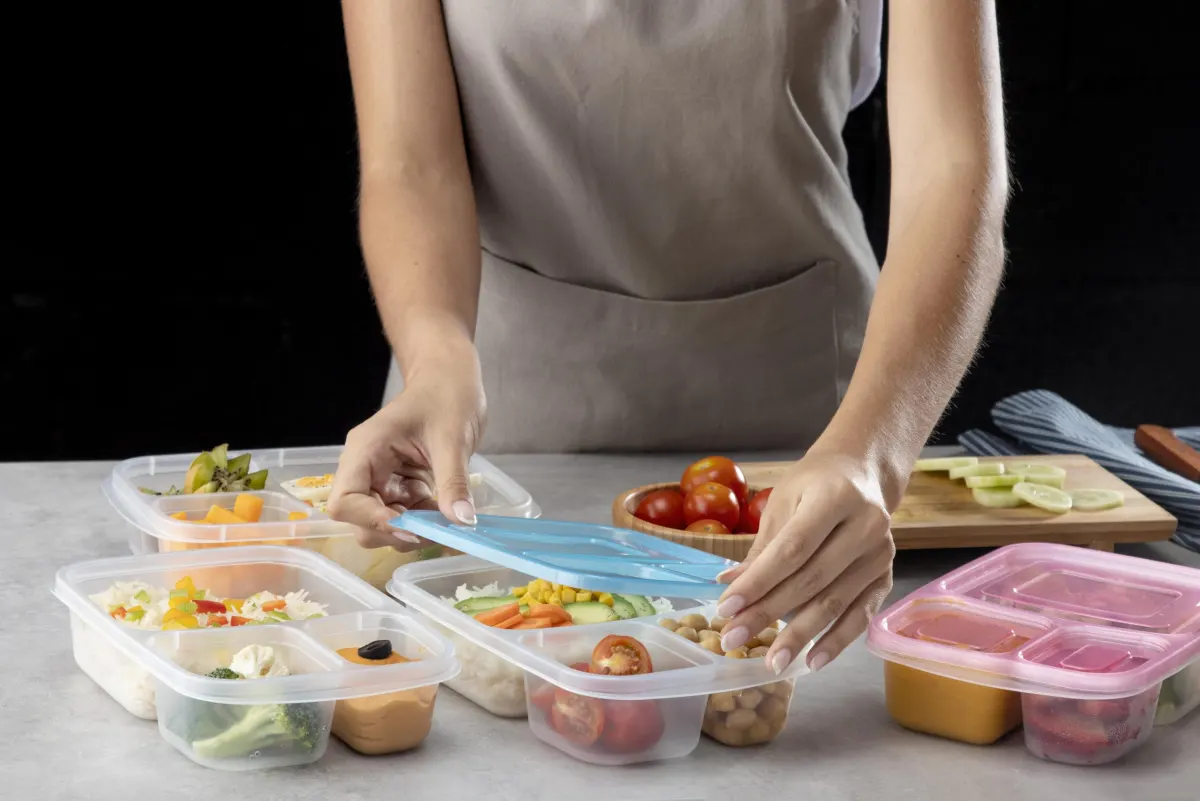
Vegetables and fruit get used far more often when they’re already washed and cut. Store chopped items in clear containers at eye level in the fridge so they’re the first thing seen when the door opens.
4. Use the Freezer as a Backup Plan
Soups, stews, and casseroles freeze well in single-serving containers, giving an instant meal on days when cooking simply isn’t going to happen. Labeling containers with the date helps track freshness and avoid waste.
5. Keep a Running List of Five “Go-To” Meals
Having five reliable, low-effort meals on rotation removes the daily question of “what should I make?” This might include something like scrambled eggs with toast, a simple soup, a grain bowl, a sandwich with soup, or a sheet-pan dinner.
How to Prepare a Meal Plan That Actually Gets Used
A meal plan only works if it’s realistic for the person actually cooking it. Start by listing the meals a person already enjoys and is comfortable preparing, then build the week around those instead of introducing entirely new recipes.
- Write down three breakfasts, three lunches, and three dinners that repeat through the week
- Check what’s already in the pantry and freezer before shopping
- Build the grocery list around those specific meals to avoid overbuying
- Leave one or two days unplanned for leftovers or flexibility
- Post the plan somewhere visible, like the refrigerator door
For families supporting a senior with cognitive changes, a visible, simple, repeating plan is especially helpful. Our guide on creating a safe, comfortable home for someone with dementia covers other ways routine and simplicity support daily wellbeing.
How to Prepare Low Carb Meals Without Overcomplicating Things
Many seniors are advised to watch carbohydrate intake due to diabetes, prediabetes, or weight management goals. The good news is that low carb eating doesn’t require special ingredients or complicated recipes — it mostly means adjusting proportions on the plate.
Simple Swaps for Lower-Carb Meals
- Replace half the rice or pasta with extra vegetables in a familiar recipe
- Choose a lettuce wrap or a single slice of bread instead of a full sandwich roll
- Add beans or lentils for fiber and protein instead of relying on starchy sides
- Keep breakfast centered on eggs, yogurt, or cottage cheese with fruit rather than cereal alone
- Use roasted vegetables as a base and build the protein and sauce on top
These changes are gradual and sustainable rather than restrictive, which matters for older adults who may already have a reduced appetite. Drastic diet changes can backfire by making meals feel unappealing, so small substitutions tend to work better long term.
Bone Broth and Bone Meal: Understanding the Difference
It’s worth clarifying a common mix-up: bone meal is a finely ground supplement, typically used in agriculture or gardening as a fertilizer, and is not something people cook with or eat as food. What most people actually mean when thinking about nutrition and bones in the kitchen is bone broth, which is simmered from bones, water, and aromatics over several hours.
Bone broth is easy to prepare in batches and freezes well, making it a genuinely useful item for beginner meal prep. It can be sipped on its own, used as a base for soups, or added to rice and grains for extra flavor and nutrients. Simmering bones with vegetables, a splash of vinegar, and seasoning for several hours on the stove or in a slow cooker is typically all that’s needed.
Does HelloFresh Have Prepared Meals? Weighing Meal Kits vs. Home Meal Prep
Meal kit services like HelloFresh primarily ship pre-portioned ingredients along with recipe cards, requiring the customer to do the actual cooking. Some services also offer a smaller selection of fully prepared, heat-and-eat options, though the bulk of their business model centers on kits rather than ready meals. For seniors, this distinction matters quite a bit.
Meal kits can be a reasonable option for an independent senior who still enjoys cooking but wants less grocery planning. For someone who struggles with standing at the stove, memory-related safety concerns, or motivation to cook at all, hands-on support tends to be a better long-term fit.
When Meal Prep Needs a Little Extra Help
Even with the best intentions, meal prep can become difficult for seniors dealing with arthritis, vision changes, fatigue, or early memory loss. Standing for long periods, using a stove safely, or remembering whether a meal was already eaten are all real obstacles that go beyond simple planning tips.
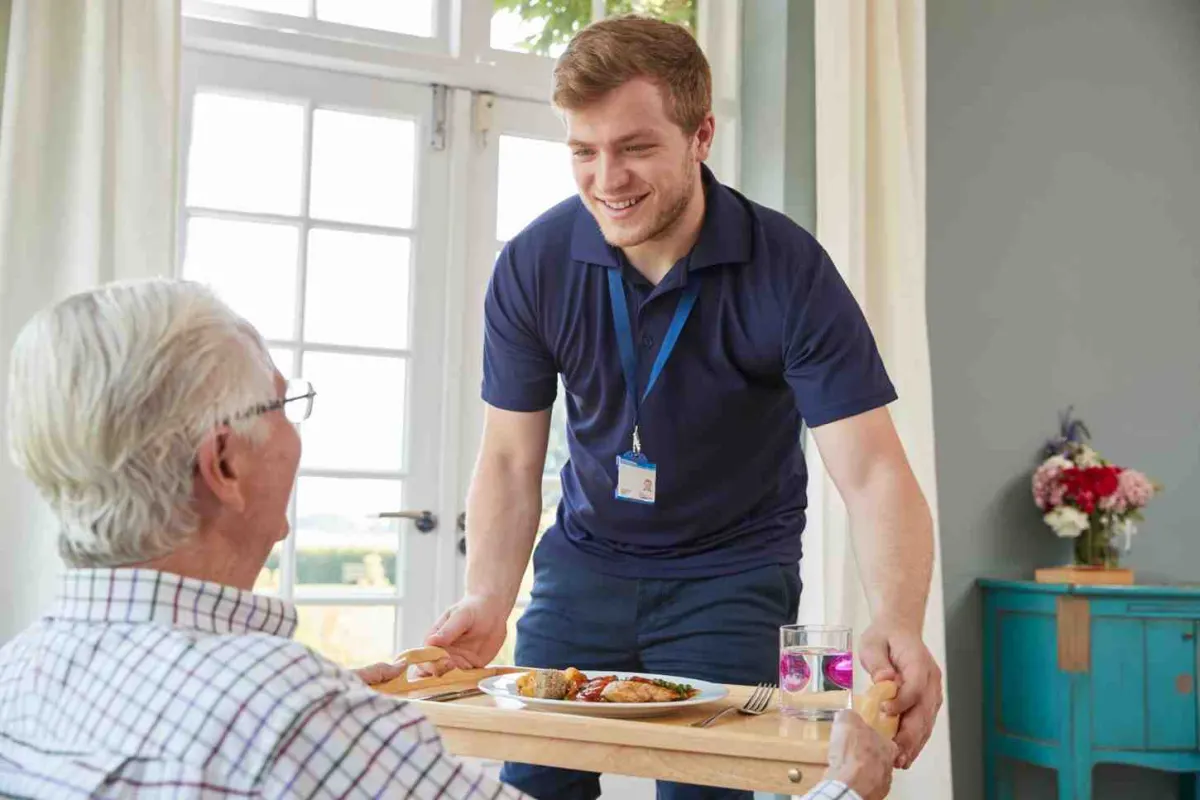
This is where in-home support can quietly make an enormous difference. Our homemaking services for elderly clients often include grocery planning, meal preparation, and kitchen safety, so nutrition doesn’t depend on a person’s energy level on any given day. For families in Stamford and Greenwich specifically, meal prep and light housekeeping support are also detailed further in our piece on meal prep and housekeeping in Greenwich.
Signs It May Be Time for Extra Support
- Meals are frequently skipped or replaced with snacks
- The stove or oven has been left on accidentally
- Grocery shopping has become physically difficult or infrequent
- Weight loss has occurred without an intentional diet change
- Cooking for one feels isolating or unmotivating
Building Sustainable Habits, Not Perfect Ones
The goal of meal preparation isn’t a flawless, color-coded meal plan — it’s consistency that supports strength, energy, and independence over time. Starting with just two prepped meals a week, one batch-cooked protein, or a stocked freezer is enough to make a real difference. Small, repeatable habits beat elaborate systems that get abandoned after a week.
Nutrition, like most aspects of aging well, tends to work best when it’s supported rather than left entirely to willpower. Whether that support comes from a family member checking in, a simple written plan on the fridge, or a caregiver who handles the cooking, the outcome is the same: better meals, more consistently.
If you’d like to discuss meal preparation support in Connecticut or New Jersey, our team at Endurance Home Care is glad to answer questions. In Westchester County, meal preparation may be part of companion care only; the New York service is non-hands-on and does not include personal care.
Published 7 July 2026. Written by Endurance Home Care. What we offer, and where, is on the services page.