

When Is 24 Hour Care Needed?
One house on a dead end lane, photographed three times in a single night.
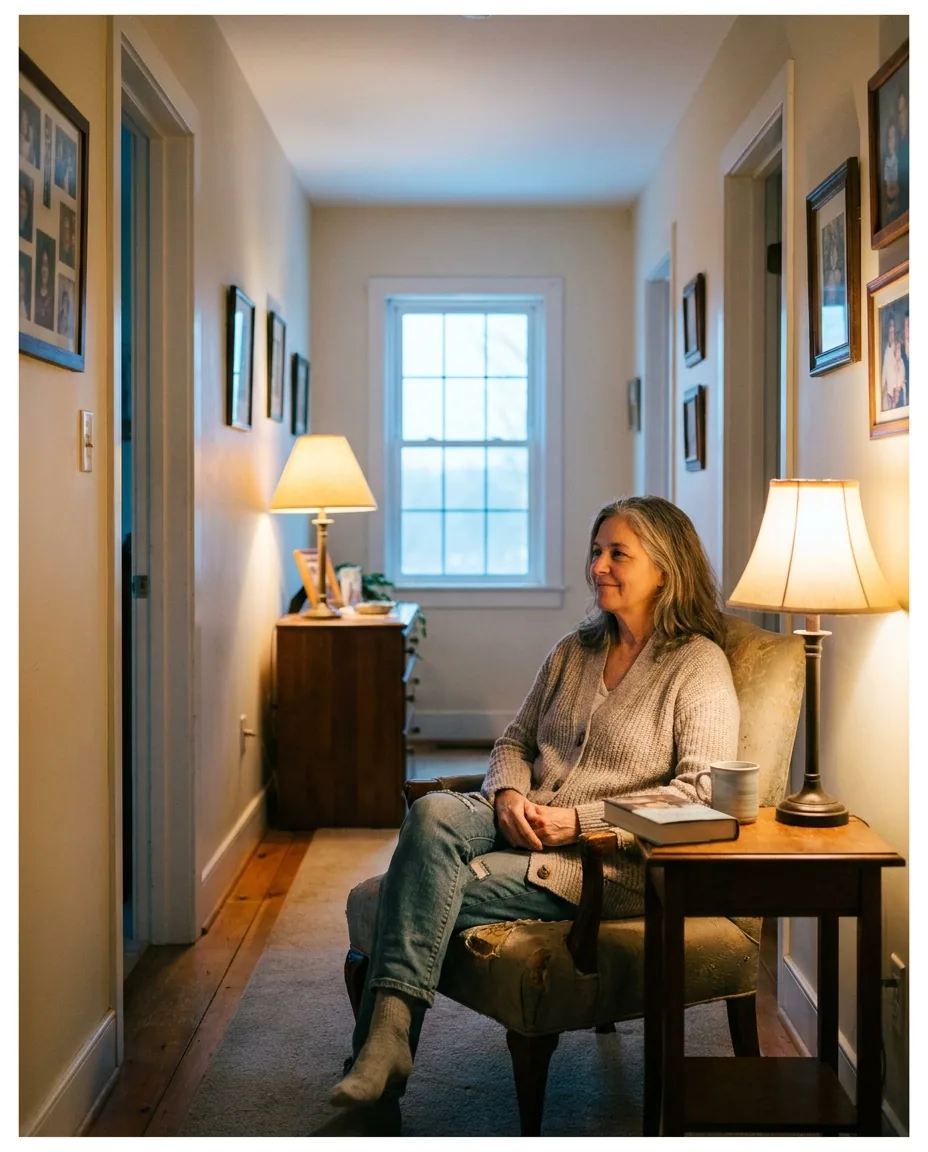
Endurance Home Care built its Endurance Homebound program around the first 72 hours after a hospital discharge, one of the three moments when families most often ask whether 24 hour care is needed.
There are three moments when families ask this, and all three start at night.
Nights stop being safe
The day is manageable. The night is not. Someone is up at two, or a door gets opened, or a walk to the bathroom stops being something anybody wants to happen unwatched. Families rarely settle this in daylight. They settle it after a week of lying awake listening for the floor upstairs.
A hospital discharge
A discharge moves the question from whether help is needed during the day to whether anyone can be alone at all this week. One family described a father coming home after congestive heart failure and being supported through his recovery. Endurance built its Homebound program around that first stretch home, and what it covers is set out on our transitional care service page.
The family caregiver runs out
The third moment has nothing to do with the person receiving care. A family member has been covering nights for months and cannot keep doing it. Round the clock coverage is usually what gets asked for at that point, and it is a legitimate reason to ask. Nobody has to be in crisis for the answer to be yes.

What your parent needs at night picks the level
- Does anyone get up with her?
- Who hears the back door at two in the morning?
- Can he get to the bathroom on his own?
- What happens if she falls and nobody is awake?
- Is somebody in the house, or somebody awake?
Ask one question and the rest follow: what does your parent actually need between bedtime and morning? If they sleep through most nights and the worry is that nobody else is in the house, one arrangement covers it. If they are up repeatedly, or the risk is a fall on the way to the bathroom, the arrangement has to include somebody awake. Those are two different jobs, two different schedules, and two different conversations to have with an agency.
We take the first apart in live in care vs 24 hour care, and the second in overnight caregiver options.

A discharge changes the question from can she manage the day to can she be alone at all this week.
Round the clock support after a hospital stay is usually a bridge rather than a permanent arrangement. Endurance Home Care built its Endurance Homebound program around the first 72 hours after a discharge, when the paperwork is fresh and the house is not set up yet. Most families ask for a dense stretch of coverage first and step it down from there, rather than committing to an open ended schedule on the day they get home.
Nationally, AHRQ reports that 36.1 percent of all thirty day hospital readmissions happen within seven days of discharge. That is the general picture, not a statement about any one household.
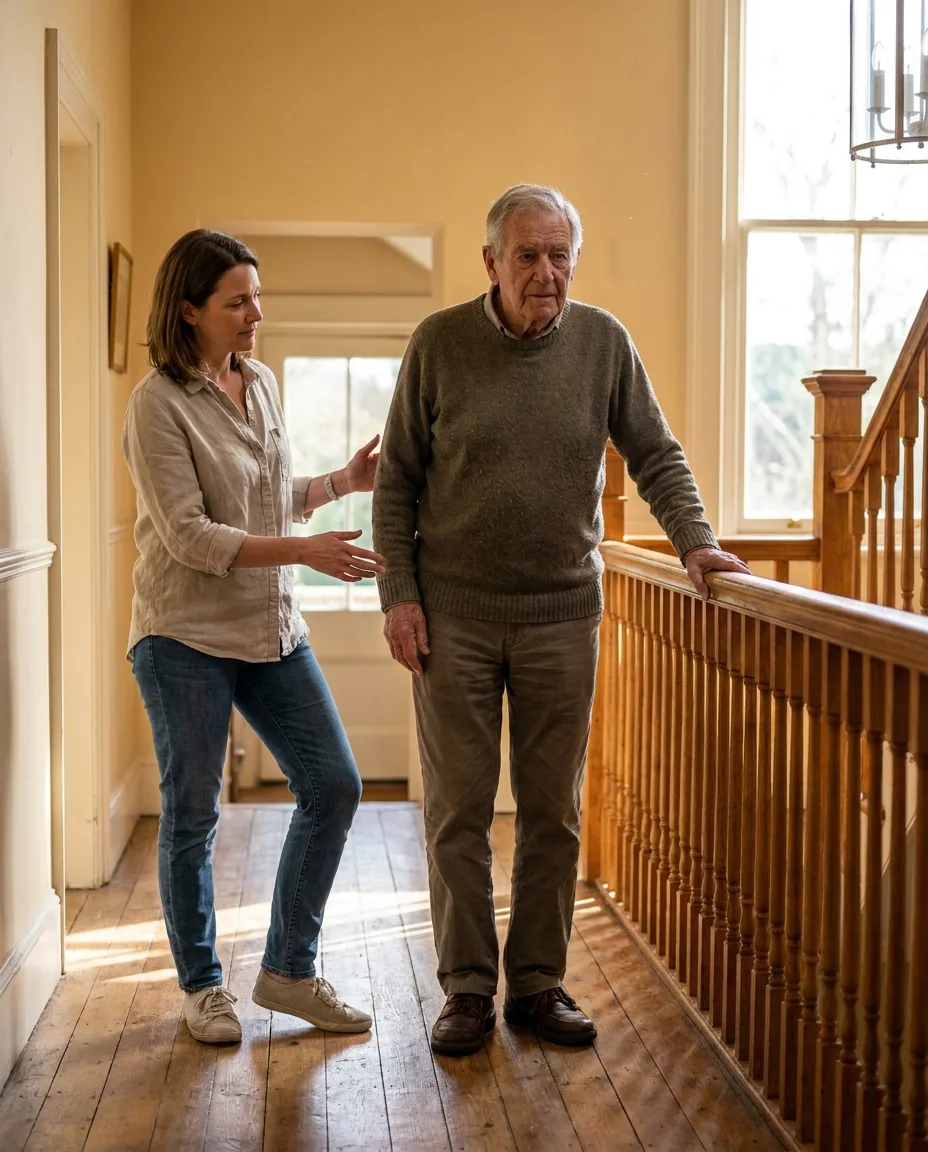
How the level actually gets set
Before care starts
A nurse conducts the assessment, in the home, before anyone is scheduled. That visit is where the difference between somebody in the house and somebody awake stops being a guess.
Once it is running
The schedule you begin with is a starting point. Endurance runs a customized monthly assessment, so an arrangement can be adjusted as a recovery progresses or a need changes.
What to ask any agency
Who performs the assessment, how often it is repeated, and what triggers a change. Those three answers tell you more about how a level of care is set than any brochure will.
Connecticut License HCA.0002450 · New Jersey License HP0435100 · Connecticut DPH License 9915786 (Endurance Home Health). Endurance Home Care provides care at home in Connecticut and New Jersey, with companion care only in New York. Skilled nursing, home health aides and physical therapy in Connecticut are provided by Endurance Home Health.
Staying home, or moving
My Mother did not want to go into a Senior Residence but she was struggling to cope in her home.
Published family review
That sentence is where most of these calls begin, and it is the honest version of the question. It is rarely whether 24 hour care is needed in the abstract. It is whether enough support can be put around one house to make staying in it work.
Cost is the other half of the comparison and it belongs on its own page: what live in and facility care cost in Connecticut sets the numbers beside each other. One thing worth knowing before you compare them: Medicare does not pay for 24 hour a day care at home, so this is usually a private pay decision. For how live in arrangements are structured from the beginning, start with the live in care guide.
What families ask next
when is 24 hour care needed
24 hour care is usually considered when needs stop fitting inside daytime hours: when an elderly adult is no longer safe alone at night, when someone comes home from the hospital and needs a person there around the clock for a while, or when a family caregiver cannot keep covering nights. A nurse assessment, which Endurance Home Care provides before care starts, helps settle what level actually fits.
Is 24 hour care needed after a hospital stay?
Sometimes, and often only for a stretch. Round the clock support can bridge the first days home, when routines, meals, and rest all need rebuilding. Endurance Home Care's Homebound program concentrates on the first 72 hours after discharge. One family described how Endurance 'helped my dad when he had congestive heart failure' and 'supported him through his recovery.'
Can 24 hour care keep my parent out of a nursing home?
No one should promise that, and we do not. What 24 hour care does is put support around the clock in the place your parent wants to be. Many families start exactly where one reviewer did: 'My Mother did not want to go into a Senior Residence but she was struggling to cope in her home.' The assessment, not a webpage, is where that question gets an honest answer.

The question usually arrives at night. It does not have to be answered there.
A nurse assessment in the home is where this gets settled. 24-hour care serves Connecticut and New Jersey; New York service is companion care only.