

5 November 2024 · 3 min read
Senior Home Care’s impact on Dementia and Alzheimer’s Clients
How brain stimulation, music therapy and socialization in senior home care support cognitive health in dementia and Alzheimer's.
Dementia and Alzheimer’s disease are challenging conditions affecting millions of seniors and their families. As these conditions progress, they often lead to memory loss, confusion, and difficulties in performing everyday tasks. Senior home care services play an essential role in supporting these individuals, not only by assisting with their physical needs but also by engaging them in brain stimulation activities, music therapy, and socialization to help slow cognitive decline. Here, we’ll explore how these approaches can enhance the quality of life for seniors living with dementia and Alzheimer’s.
Brain Stimulation Activities for Cognitive Health
One of the most effective ways to maintain cognitive function in seniors with dementia or Alzheimer’s is through brain stimulation. Cognitive activities like puzzles, word games, or memory exercises can engage different areas of the brain, promoting mental agility and slowing the progression of memory loss. Caregivers can customize these activities based on the individual’s level of cognitive ability, making sure that the challenges are engaging yet manageable.
Simple activities like matching cards, sorting objects by color or size, or discussing familiar photographs can be highly beneficial for those in the early to moderate stages of dementia. In addition to mental exercises, physical activities, such as hand-eye coordination exercises or gentle movement activities, can also promote neurological health. Research has shown that even mild forms of brain stimulation can increase neuroplasticity, the brain’s ability to adapt and form new connections, which is crucial for maintaining memory and cognitive functions as long as possible.
Music Therapy for Emotional and Cognitive Stimulation
Music has a unique ability to evoke emotions and memories, making it a powerful tool in dementia and Alzheimer’s care. Studies have shown that music therapy can improve mood, reduce agitation, and even temporarily enhance memory recall in individuals with dementia. Familiar tunes, especially those from the individual’s past, can spark memories, improve engagement, and promote relaxation.
Caregivers can incorporate music into daily routines by playing favorite songs or encouraging seniors to participate in sing-alongs, which helps stimulate different areas of the brain involved in memory, language, and emotions. This type of sensory engagement can be particularly helpful for individuals who have difficulty communicating verbally, as it provides a non-verbal way to express and connect. Furthermore, music therapy has been shown to reduce symptoms of depression and anxiety, both of which are common in seniors with dementia. Overall, music serves as a soothing yet stimulating activity that can enhance cognitive function and emotional well-being.
The Power of Socialization in Slowing Cognitive Decline
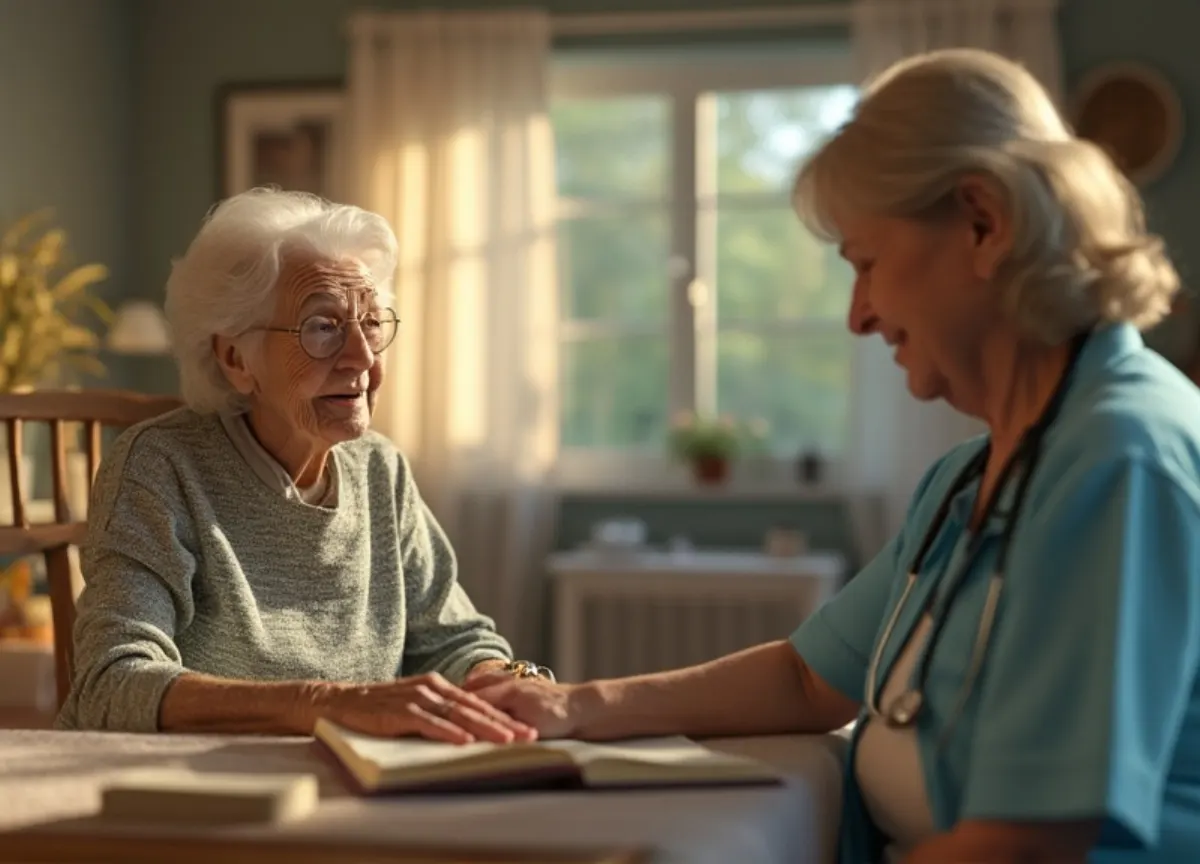
Social interaction is another key element in supporting cognitive health for seniors with dementia. Isolation and loneliness are major risk factors for rapid cognitive decline. Engaging in regular social activities can improve mood, increase self-esteem, and offer mental stimulation, all of which contribute to slower cognitive deterioration. Senior home caregivers often facilitate socialization by encouraging conversations, participating in group activities, and coordinating visits with family members.
These interactions, whether through conversation, group games, or shared meals, help seniors feel connected and give them opportunities to exercise cognitive functions like memory, language, and problem-solving. Additionally, social activities have been linked to lower levels of stress hormones, which is beneficial for cognitive health, as stress can accelerate memory loss.
Conclusion
While there is currently no cure for dementia and Alzheimer’s, senior home care can play a vital role in slowing the progression of these conditions through brain stimulation activities, music therapy, and socialization. These techniques not only improve cognitive function but also provide emotional and social support, enhancing the overall well-being of seniors. By incorporating these activities into daily routines, caregivers can help individuals maintain their dignity, independence, and quality of life, even as they face the challenges of cognitive decline.
Call Endurance Home Care at (203) 936-6847 so we can help you find your perfect Care Professional.
Published 5 November 2024, last updated 2 March 2026. Written by Endurance Home Care. What we offer, and where, is on the services page.
Read next

10 November 2025
Caring for Loved Ones: Dementia and Alzheimer’s Support with Endurance Home Care
7 May 2025
Comprehensive Home Care Services for Alzheimer and Dementia by Endurance Home Care CT

27 January 2025
Creating a Safe and Comfortable Home Environment for Those With Dementia and Alzheimer’s