

The First 72 Hours After Hospital Discharge
The discharge papers say what happened in the hospital. They do not say who is in the house on the second night.
Discharge
The car pulls in. Papers, new bottles, and whatever equipment came home with you.
First full day
Meals, rest, reminders at the times the instructions already set.
Past the coast
Follow-up calls placed, the house arranged, the week ahead schedulable.

Endurance Home Care built its Endurance Homebound program around the first 72 hours after hospital discharge, the window the program targets as a plan for the first days home for families across Fairfield County.
Why this window has a name
Hospitals discharge on their schedule, not on the household's. A parent comes home tired, on a changed list of medications, into rooms that have not moved since the ambulance did. Whatever help is coming from the outside, the visiting nurse, the therapy appointments, the follow-up with the surgeon, has mostly not started yet. The gap between the car door closing and that help arriving is the window Endurance built a named program around, and it is short enough to plan for in hours rather than weeks.
The national numbers say the same thing more bluntly than families do. It sits inside the full hospital-to-home transitional care guide care guide, where the rest of the discharge sequence is laid out.
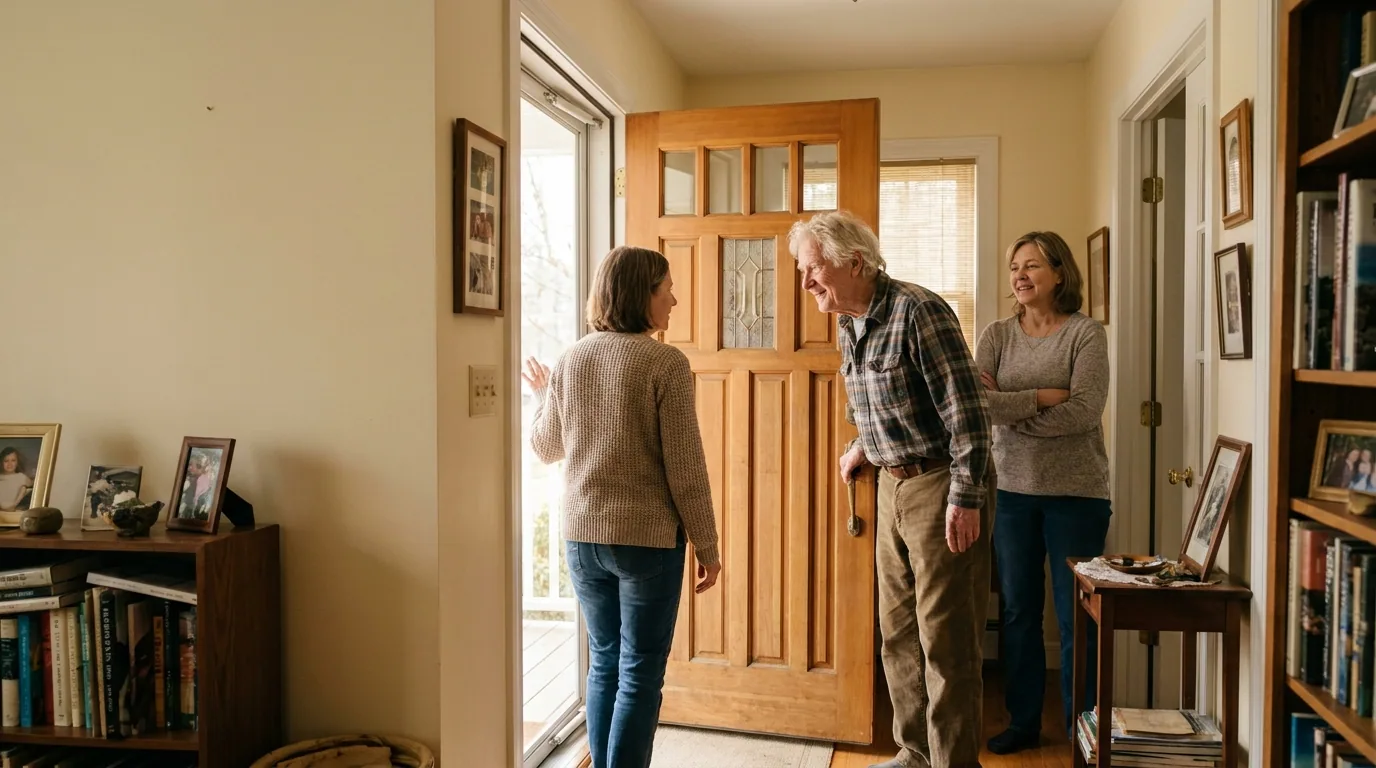
Day one, plotted
The first day home is mostly logistics, and logistics is exactly the part a daily-living caregiver can carry. Endurance names Medication Reminders and Safety Supervision among its services, which is the honest description of the work: the reminder happens at the time the discharge instructions already set, and somebody is within earshot while the house is relearned. Nobody here treats, diagnoses, assesses, or administers anything. Hospital-to-home care serves Connecticut and New Jersey; New York service is companion care only. In New York, companions may give verbal everyday reminders but never select, handle, administer, set up, manage, or verify medication or doses.
- H+00
The bottles land on one counter
Every prescription, old and new, in one place, with the discharge sheet beside them. A caregiver can read the schedule back to you and remind at those times. Changes to what is on that list belong to the prescriber and the pharmacist, and the questions that come up on day one are usually theirs to answer. Write them down as they occur to you; that list is what makes the follow-up call useful.
- H+06
Food that does not need a plan
Appetite after a hospital stay is unreliable and cooking is the first thing to go. A caregiver shops, cooks, and puts something reachable in the refrigerator, which is a homemaking task rather than a clinical one and matters more than it sounds. Run our hospital discharge checklist before the car pulls in and most of this is already in the house.
- H+12
The route from bed to bathroom
Whatever came home with you, a walker, a raised seat, a commode, only helps if the path to it is clear at two in the morning. Rugs up, cords tucked, a light left on, the chair moved to where it is actually needed. Supervision through that first night is the single most requested piece of the window.
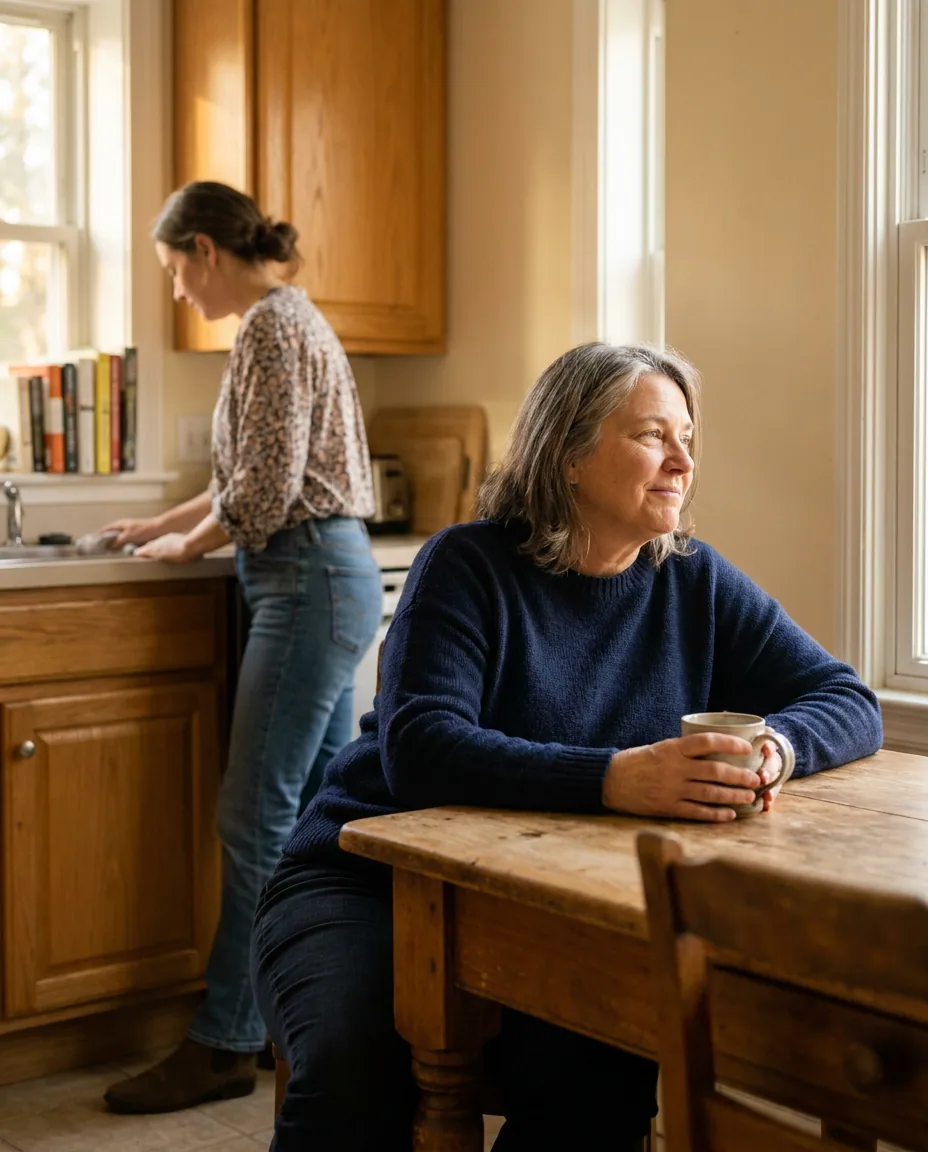
Days two and three, when the house goes quiet
The first day has adrenaline in it. The second and third do not, and that is when the plan either holds or quietly stops. Two things fill these days: calls that have to be placed, and company on the stairs.
The calls are the follow-up appointment, the pharmacy, and the number the discharge paperwork told you to use if something changed. A caregiver can dial, hand over the phone, keep the calendar straight, and drive to the appointment when it comes. That is coordination, not care direction, and it is most of what falls through in a week when everybody in the family is back at work.
The company is less obvious and does more. Somebody who was in the room yesterday notices that today the stairs took longer, that lunch went untouched, that the walker is being left in the hall. A caregiver does not judge what any of that means. They write it down, they tell you, and they make the call to the clinician easy to make while it is still a small thing. The same rhythm is how recovering at home after a hip replacementis usually staffed, on a longer track.
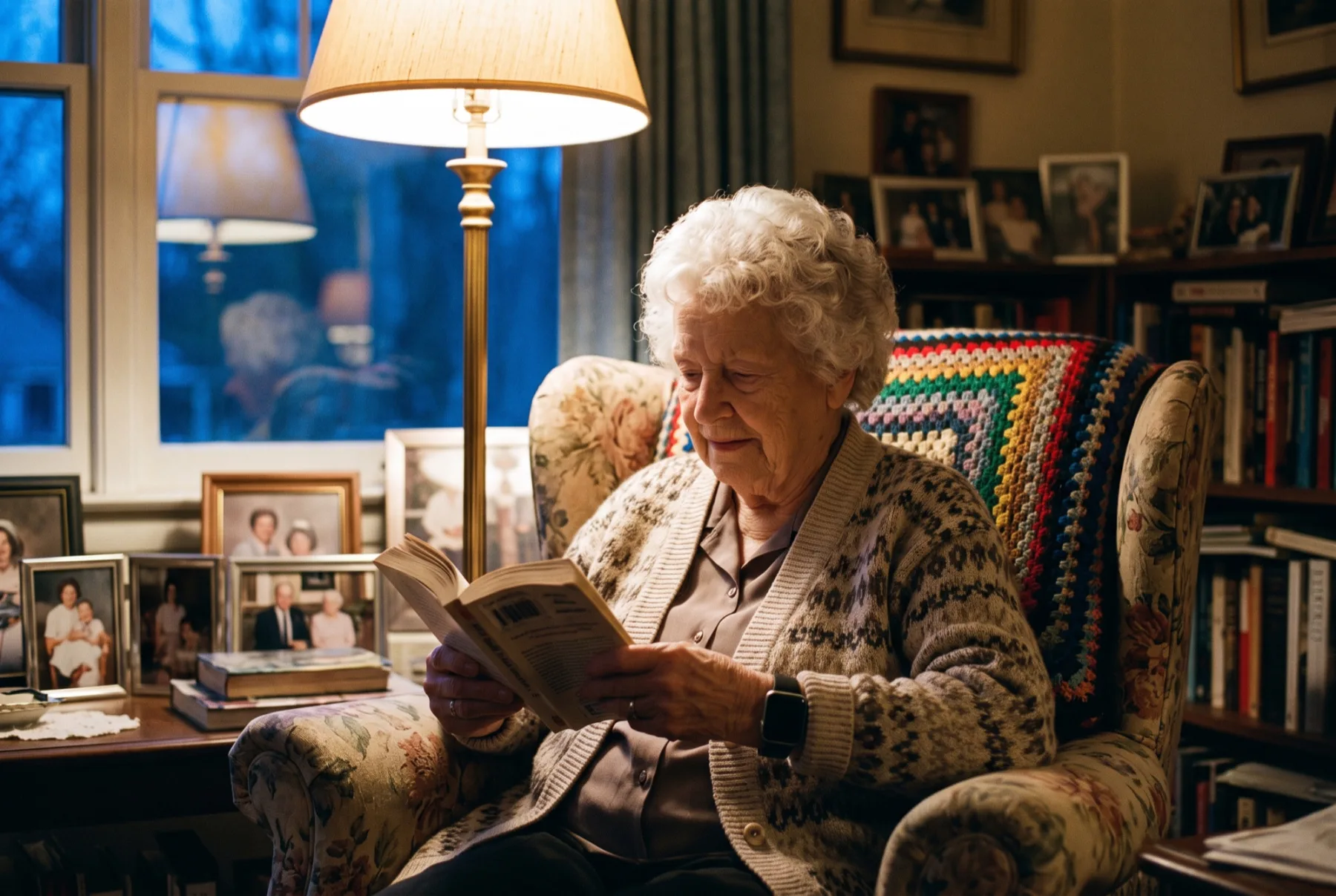
Some houses can be checked on. Some houses need somebody in them.
17.0 per 100 index admissions. In 2020, hospital stays paid by Medicare had the highest 30 day readmission rate of any payer. AHRQ, statistical brief on 2016 to 2020 readmissions.
The age group most likely to come back is the age group most likely to be going home to an empty second floor. Three questions sort it quickly. Who is in the house between 10pm and 6am. Who is there when the stairs get used the first few times. Who hears it if the answer to either of those turns out to be nobody.
Coverage maps to that answer rather than to a diagnosis: hourly care for the parts of the day that are hardest, an overnight aide for the nights, a live-in when the whole 72 hours needs somebody in the house. Both hourly care and 24/7 care with live-ins are standing arrangements here, so the shape can change on day two without changing agencies.
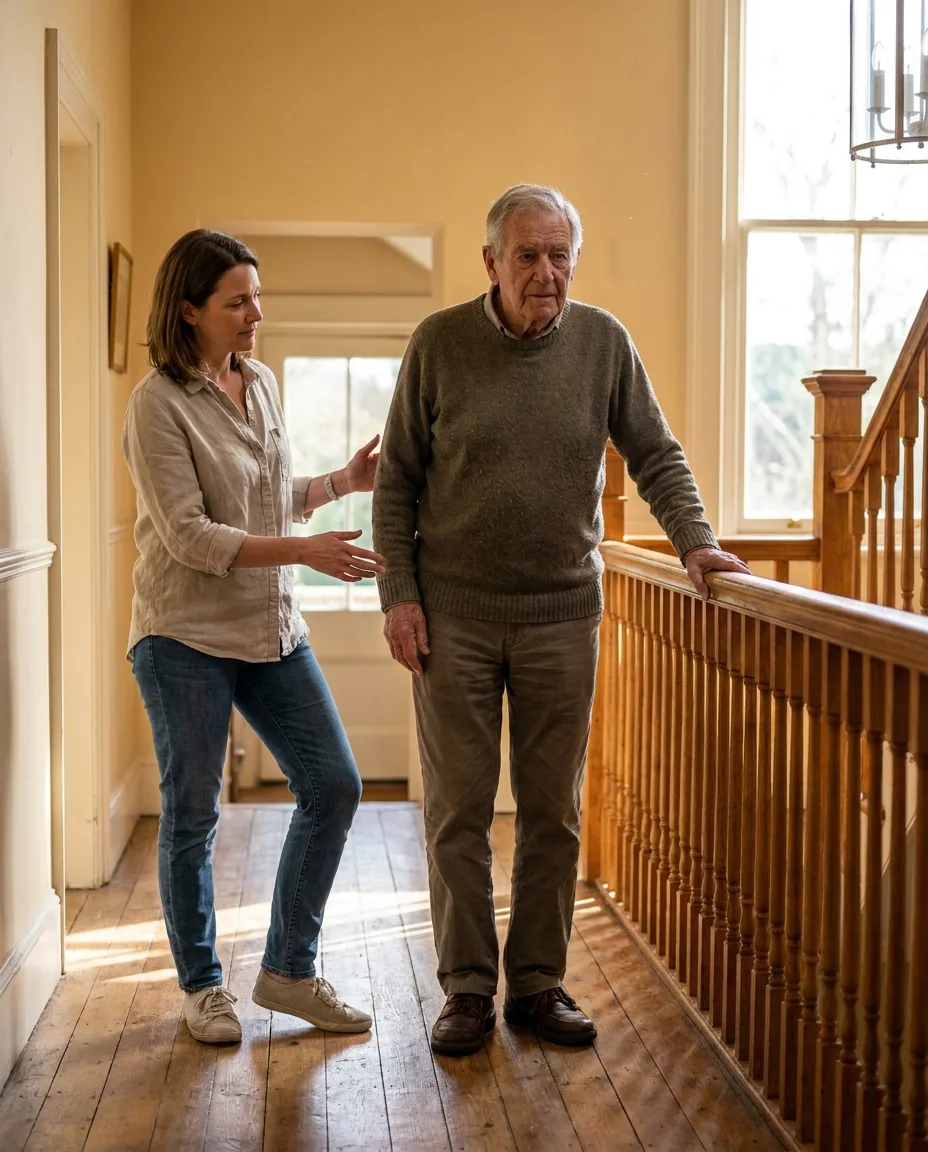
We named this window because it is the one that sends people back. Three days of eyes on the house changes the odds.
Homebound, by day
The daylight hours are staffed the ordinary way, by a person. Meals, reminders at the set times, the ride to the follow-up, supervision on the stairs, the house put back into a shape somebody can move through. Schedules are built around the discharge date you give us, and they are meant to be changed on day two if day one taught you something. Details of the program sit on the Endurance Homebound program page.
ETS, for the empty hours
Endurance Technology Solutions is a 24/7 audio layer with a plug-and-play install. If something happens in the room, it alerts Endurance so the team can respond. That is the whole claim. It does not detect anything, it does not watch health, and it is not a medical device. Families add it to the nights nobody is scheduled, which in this window is usually the second and third.
Connecticut License HCA.0002450 · New Jersey License HP0435100 · Connecticut DPH License 9915786 (Endurance Home Health). Endurance Home Care provides care at home in Connecticut and New Jersey, with companion care only in New York. Skilled nursing, home health aides and physical therapy in Connecticut are provided by Endurance Home Health. Hospital-to-home care serves Connecticut and New Jersey; New York service is companion care only.

Questions families ask
Why do the first 72 hours after hospital discharge matter?
Because the return home concentrates risk early. AHRQ's national data shows 14 percent of inpatient stays end in a 30-day readmission, and more than a third of those readmissions happen within the first 7 days. The first 72 hours are when medications change hands, energy is lowest, and follow-up care is not yet running. Endurance Homebound exists specifically for this window.
Can someone stay overnight during the first nights home?
Yes. 24/7 Care + Live-Ins and Hourly Care are both standing types of care at Endurance, so the first nights can be covered by an overnight aide or a live-in arrangement. Tell us the discharge date and the hours you want covered, and we schedule around it. We do not publish minimum hours online, so ask when you call.
What is ETS virtual care?
ETS stands for Endurance Technology Solutions: 24/7 virtual care through 100 percent audio technology with a plug-and-play install. It alerts Endurance so the team can respond promptly. Families add it for the hours no one is in the house, including the first nights after a hospital stay. It is a monitoring and response layer, not a medical device.

Tell us the discharge date. We will staff the first three days around it.
daily-living transitional support across Fairfield County and New Haven County, Connecticut, from an agency licensed in Connecticut and New Jersey as HCA.0002450.
Call (203) 936-6847